Rising energy bills, strange noises, and temperature swings aren't just annoyances—they're your HVAC system telling you it's struggling. Here's what to watch for.
Share:
Summary:
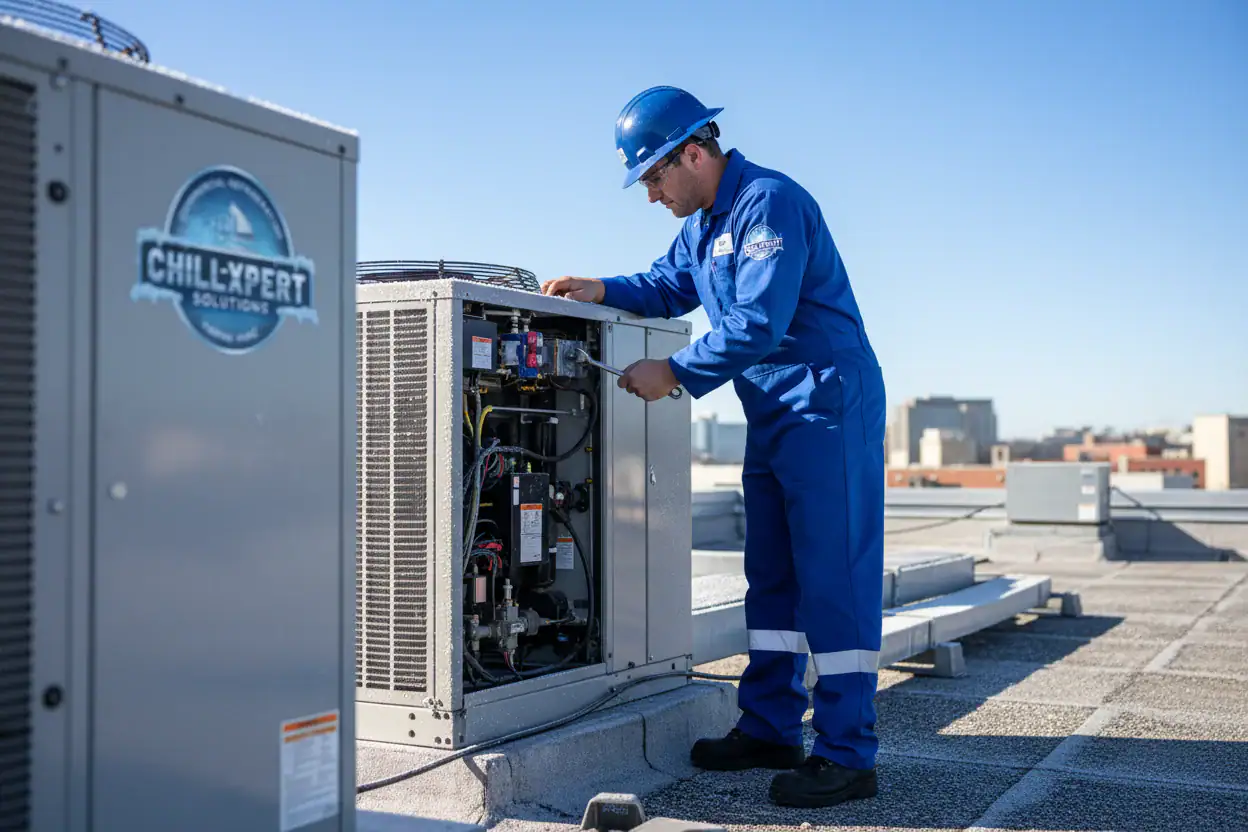
When your energy costs start creeping up month after month, but your business hours and usage haven’t changed, your HVAC system is working harder than it should. Research shows that poor maintenance alone can drive commercial HVAC energy use up by 5 to 20 percent annually. That’s not just a line item on your budget—it’s your system burning through electricity to compensate for dirty coils, clogged filters, or failing components.
An inefficient system doesn’t just cost you more right now. It accelerates wear on critical parts like compressors and motors, shortening the overall lifespan of equipment that should last 15 to 20 years. If you’re seeing unexplained spikes in your utility bills, especially during peak cooling or heating seasons in Nassau County, NY or Suffolk County, NY, it’s time to have a professional assess what’s causing the drain.
Energy bills don’t lie. When your HVAC system struggles, it compensates by running longer cycles to reach the temperature you’ve set. Maybe the evaporator coils are coated in dust, restricting airflow. Maybe refrigerant levels have dropped due to a slow leak. Maybe the blower motor bearings are wearing out, forcing the system to work overtime just to move air through the ductwork.
Here’s the part that catches most business owners off guard: even a small decrease in efficiency compounds over time. A 10 percent efficiency loss might only add $150 to your monthly bill at first. But left unaddressed, that same issue worsens, and within a year, you’re looking at 20 percent higher costs—plus the repair bill for whatever finally breaks. Commercial HVAC troubleshooting at this stage can identify the root cause before you’re facing a complete system failure.
The Long Island climate doesn’t help. Summers push your cooling system hard, and winters demand reliable heat. Systems that aren’t maintained regularly can’t handle that stress efficiently. You end up paying more to get less comfort, and your equipment ages faster than it should. If your bills have been trending upward without a clear reason, don’t wait for the next spike. Get a commercial HVAC maintenance check to pinpoint what’s draining your budget and fix it before the problem gets worse.
There’s no universal number, because every building is different. But you should know your baseline. If you’re spending $2,000 a month on HVAC-related energy costs during the summer, and that number suddenly jumps to $2,400 without any changes to your operations, that 20 percent increase is a red flag. It’s not normal, and it’s not going to fix itself.
Compare your bills year over year, not just month to month. Seasonal fluctuations are expected, but if this July is significantly more expensive than last July, your system’s efficiency has dropped. That drop usually comes from deferred maintenance—filters that haven’t been changed, coils that haven’t been cleaned, or refrigerant that hasn’t been checked. These are all fixable issues, but only if you catch them early.
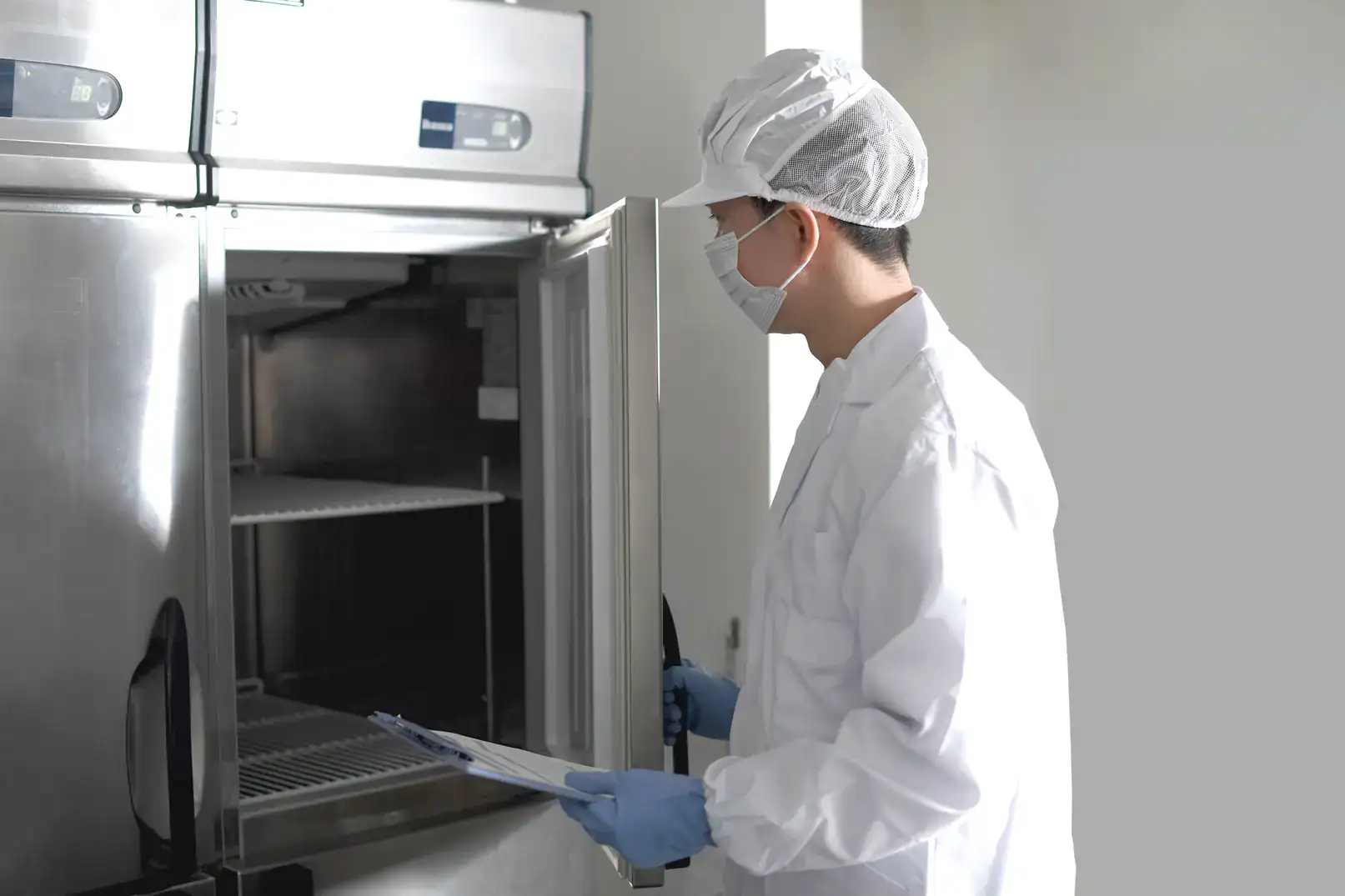
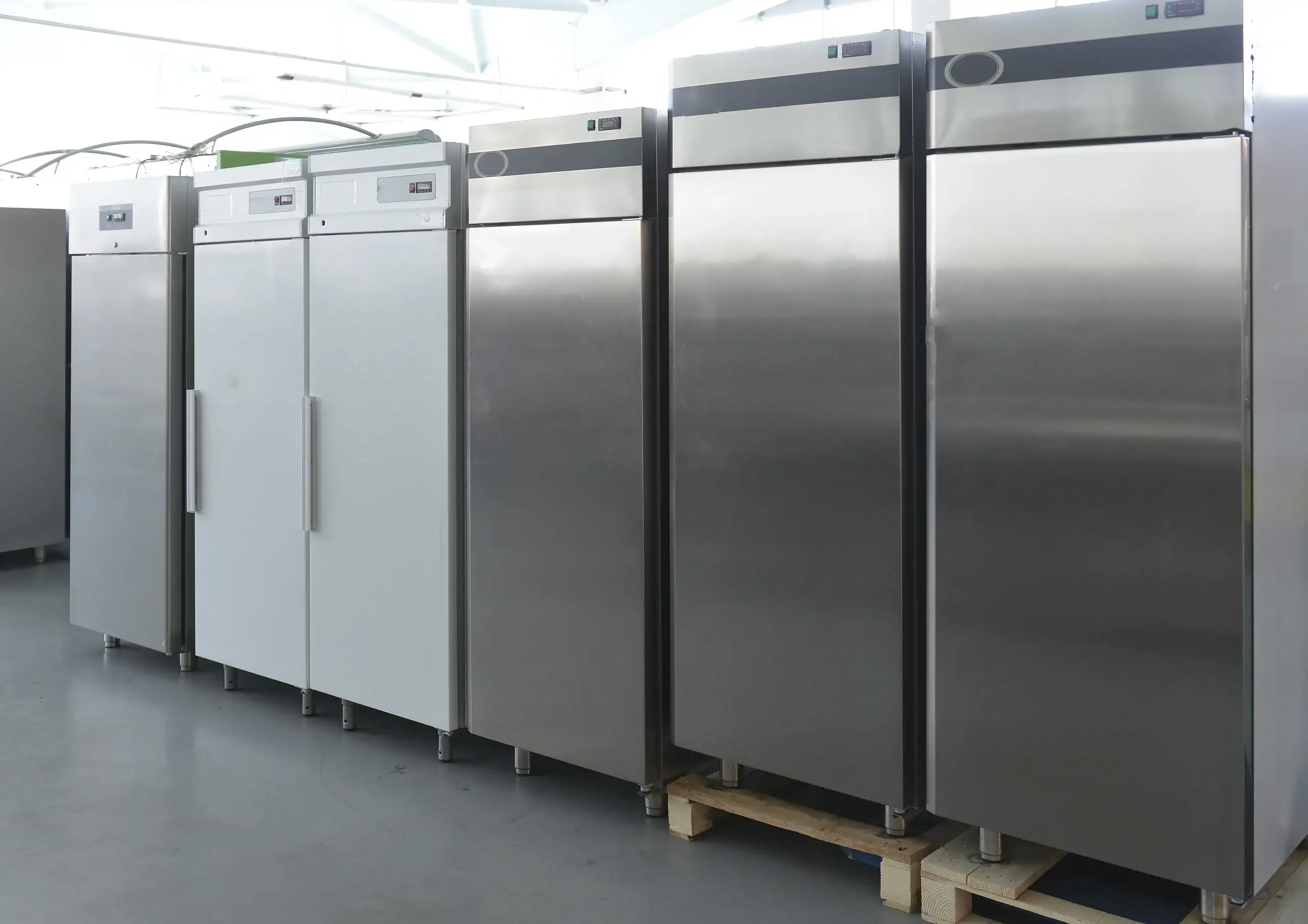
Business owners in restaurants, delis, and catering halls on Long Island face even tighter margins. Your refrigeration and HVAC systems run constantly, and energy costs are already one of your largest operating expenses. A 15 percent efficiency loss can mean thousands of dollars a year, money that should be going toward your business, not your utility company. Regular commercial HVAC service isn’t just about comfort—it’s about controlling costs and protecting your bottom line. If your energy bills are climbing and you can’t explain why, it’s time to call in a professional who can diagnose the issue and give you a clear plan to fix it.
Want live answers?
Connect with a Chill Xpert Solutions expert for fast, friendly support.
Commercial HVAC systems should run quietly in the background. If you’re hearing banging, grinding, squealing, or rattling, something’s wrong. These aren’t minor quirks you can ignore. They’re mechanical problems that will get worse and more expensive the longer you wait to address them.
Each type of noise points to a specific issue. Grinding usually means bearings are wearing out. Squealing often signals a worn belt. Banging can indicate a loose component hitting against other parts as the system runs. None of these fix themselves, and all of them can cause secondary damage if left unchecked.
Grinding sounds are serious. They usually come from motor bearings that are failing or have lost lubrication. When a bearing seizes, the motor can overheat and burn out, turning a $200 repair into a $2,000 motor replacement. If you’re hearing a grinding noise, especially one that gets louder over time, don’t wait. That’s a component on the verge of failure.
Squealing or screeching typically points to a belt issue. Belts wear out over time, and when they start to slip or fray, they make noise. Replacing a belt is inexpensive and quick. Waiting until the belt snaps means your system stops working entirely, often at the worst possible time—like the middle of a heat wave in Suffolk County, NY. A broken belt can also cause other parts to fail if the system tries to keep running without it.
Banging or clanking noises usually mean something has come loose. It could be a mounting bracket, a fan blade, or a component inside the air handler. When loose parts move, they hit against the housing or other components, causing damage with every cycle. What starts as an annoying sound can quickly turn into bent fan blades, cracked housings, or damaged ductwork. Addressing HVAC system problems like this early can prevent a small fix from becoming a major headache. If you’re hearing any of these sounds, schedule a commercial HVAC repair Long Island service call before the noise turns into a breakdown.
Not every noise is an emergency, but some require immediate action. If you hear a loud banging when the system starts up, that could indicate a failing compressor or a refrigerant issue. Compressors are expensive to replace, and if one fails catastrophically, it can damage other parts of the system. Catching the warning signs early—like unusual startup sounds—can save you from a much larger repair bill.
Hissing sounds are another red flag. A hissing noise often means refrigerant is leaking. Refrigerant leaks reduce your system’s cooling capacity, force it to work harder, and can eventually lead to compressor failure. Plus, handling refrigerant requires certified technicians. This isn’t a DIY fix, and it’s not something you should put off. Low refrigerant doesn’t just hurt efficiency—it can cause permanent damage to your system if it runs too long without enough charge.
Clicking sounds that repeat constantly, especially when the system is trying to start, usually point to an electrical issue. It could be a failing relay, a bad capacitor, or a problem with the control board. Electrical problems in commercial HVAC systems can be dangerous. They can cause the system to short out, trip breakers repeatedly, or even create a fire hazard in extreme cases. If your system is clicking and not starting, or if it’s cycling on and off rapidly, shut it down and call for HVAC service for businesses right away. Electrical issues don’t improve with time, and the longer you wait, the more risk you’re taking with your equipment and your building.
Your commercial HVAC system gives you plenty of warning before it fails. Rising energy bills, strange noises, temperature inconsistencies—these signs don’t appear overnight, and they don’t go away on their own. The longer you wait to address them, the more expensive the fix becomes, and the higher the risk of a complete system failure during your busiest hours.
Catching these issues early doesn’t just save you money on repairs. It protects your business from downtime, keeps your customers and employees comfortable, and extends the life of equipment that represents a significant investment. Regular commercial HVAC maintenance costs a fraction of what you’ll pay for emergency repairs or premature replacement.
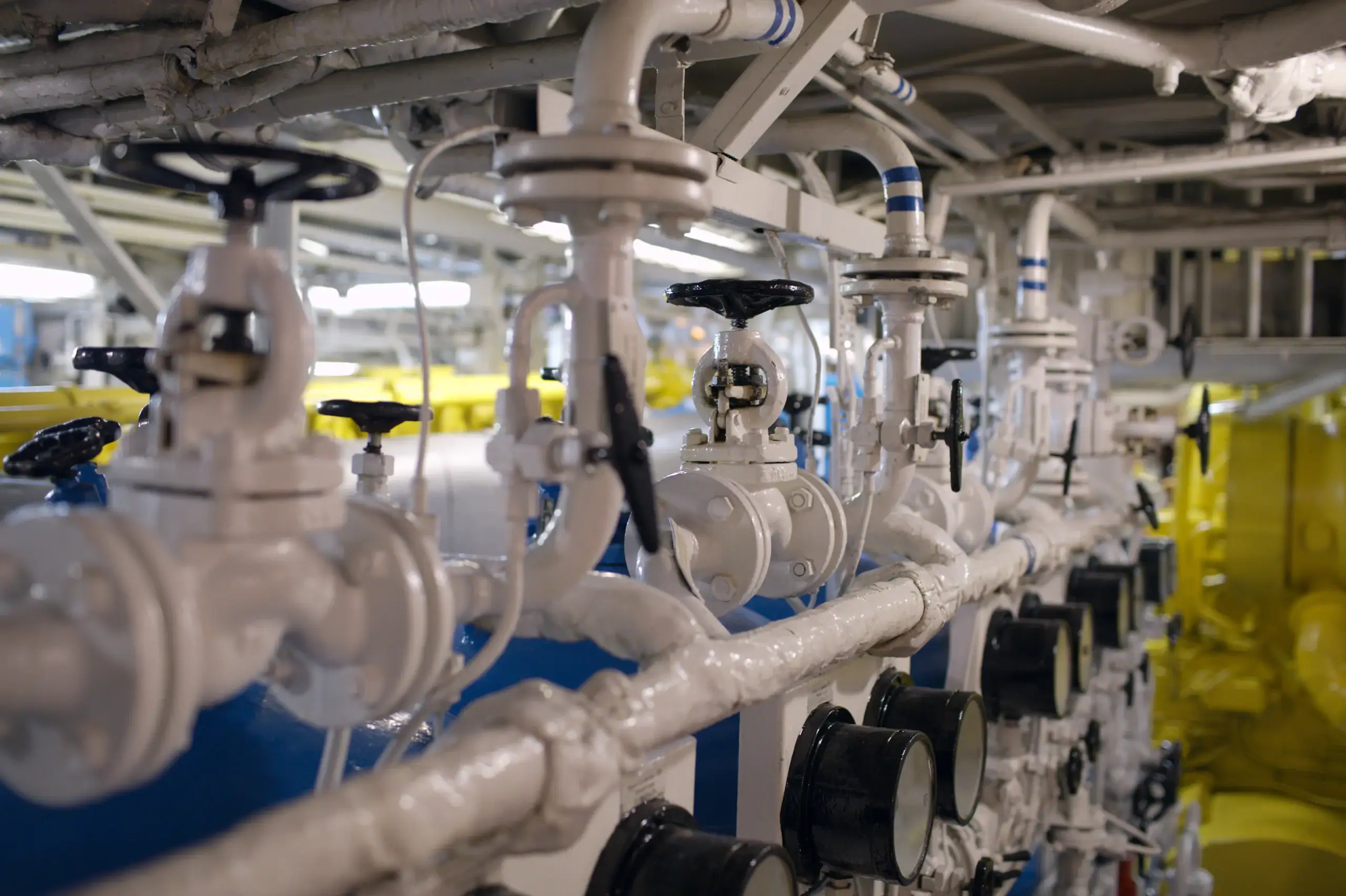
If you’re seeing any of these warning signs in your Nassau County, NY, Suffolk County, NY, or Long Island, NY location, reach out to us at Chill Xpert Solutions for a professional assessment. With over 40 years of experience in marine HVAC and commercial refrigeration, we can diagnose the problem, explain your options, and get your system running efficiently again.
Article details:
Share:
Continue learning: