Learn the air conditioner maintenance best practices that keep Nassau County homes cool all summer—without the emergency repair bills.
Share:
Summary:
Your air conditioner runs hundreds of hours every summer, pulling heat and humidity out of your Nassau County home while outdoor temperatures push into the 90s. It’s one of the hardest-working systems in your house, and like anything that works that hard, it needs regular attention to keep running efficiently.
Most homeowners don’t think about their AC until it stops working—usually during the first real heat wave of the season, when every HVAC company is booked solid and you’re looking at days without cooling. That’s the expensive way to learn that a $150 annual tune-up prevents the $2,500 compressor replacement.
Air conditioner maintenance isn’t complicated. It’s about catching small issues before they become failures, keeping your system clean enough to run efficiently, and making sure everything works the way it should before you actually need it. Let’s walk through what that looks like in practice.
Here’s what happens to an AC system that doesn’t get regular maintenance: efficiency drops, energy costs climb, and components fail earlier than they should. It’s gradual enough that you might not notice until something breaks.
Dirty filters restrict airflow, making your system work harder to move the same amount of air. Coils covered in dust and pollen can’t transfer heat effectively, so your AC runs longer cycles to achieve the same temperature. Refrigerant levels drop slowly from leaks too small to notice—until your system can’t cool properly and the compressor is damaged from running low. Each issue compounds, and what started as a minor maintenance task becomes a repair bill.
The numbers tell the story. A system that’s 20% less efficient because of neglected maintenance costs an extra $30 to $60 per month in electricity. Over a cooling season, that’s $360 to $720 in wasted energy. Over five years, you’ve spent enough on higher electric bills to have paid for professional maintenance multiple times over.
Then there’s equipment lifespan. Well-maintained systems last 15 to 20 years. Neglected ones often need replacement around year 10 or 12. That’s not a small difference when you’re talking about a $5,000 to $10,000 investment. Regular HVAC maintenance doesn’t just prevent breakdowns—it protects the money you’ve already spent.
You don’t need technical training to handle basic air conditioner maintenance between professional visits. A few straightforward tasks keep your system from working against itself.
Start with your air filter—the single most impactful maintenance task any homeowner can do. Pull it out, hold it up to light, and if you can’t see through it, replace it. Depending on how much your system runs, whether you have pets, and Nassau County’s pollen levels, that’s typically every one to three months during cooling season. A clogged filter forces your AC to work harder, wastes energy, and lets dirt bypass the filter and accumulate on components that cost real money to clean or replace.
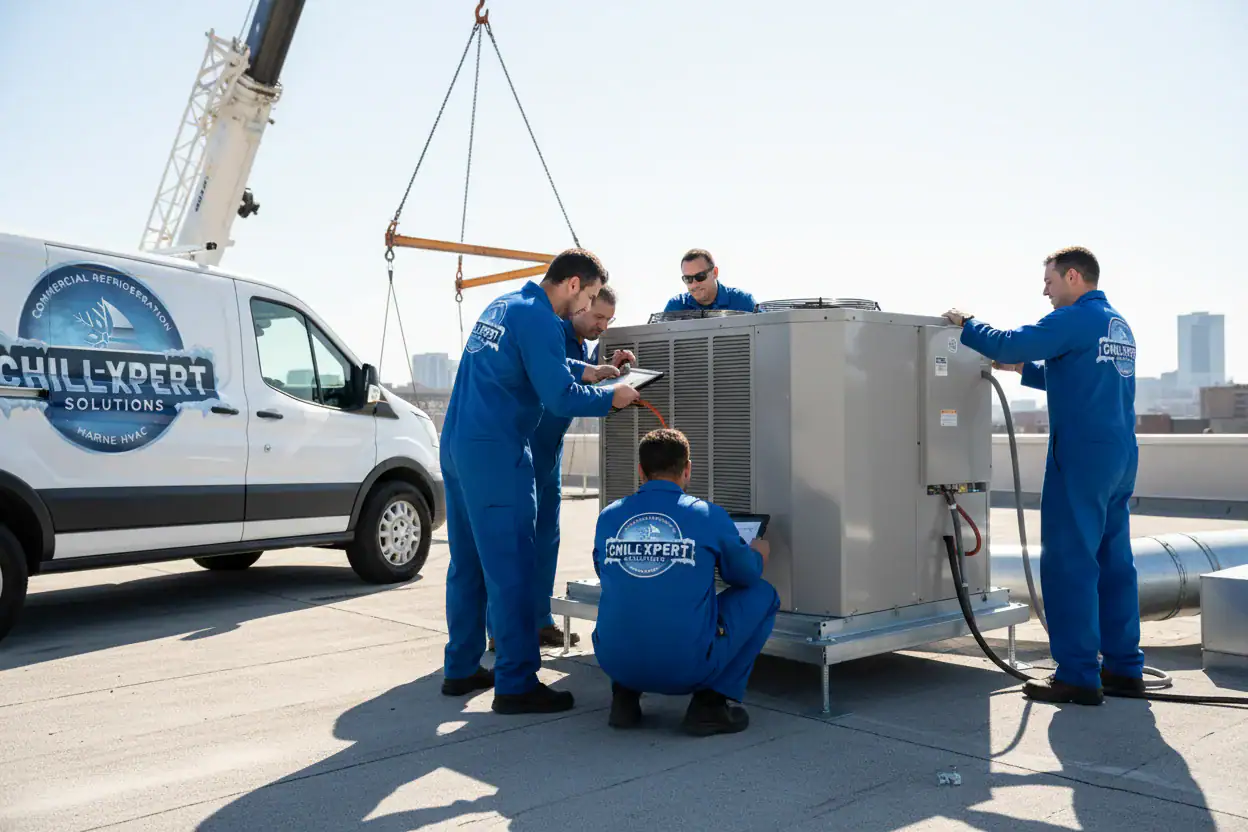
Your outdoor condenser unit needs attention too. Keep at least two feet of clear space around the entire unit—no bushes, storage bins, or lawn equipment. Trim back any plants growing too close, because blocked airflow makes your system work harder and can lead to overheating. After storms or windy days, check for leaves, twigs, or debris that might have blown onto the unit. You can spray off surface dust and pollen with a garden hose, just make sure the power is off first at the disconnect box near the unit.
Inside your home, verify that supply vents and return grilles aren’t blocked by furniture, curtains, or closed doors. Your system needs proper airflow throughout your home to work efficiently. If half your vents are covered or you’re closing off rooms, your AC has to work harder to cool the rest of the house, which wastes energy and puts extra strain on the blower motor.
Check your thermostat settings while you’re at it. If the fan is set to “on” instead of “auto,” it runs constantly even when the AC isn’t actively cooling. That wastes energy and can actually make humidity worse. Auto mode runs the fan only when the system is heating or cooling.
These aren’t complicated tasks, and they don’t take much time. But doing them consistently makes a measurable difference in how efficiently your system runs and how long it lasts.
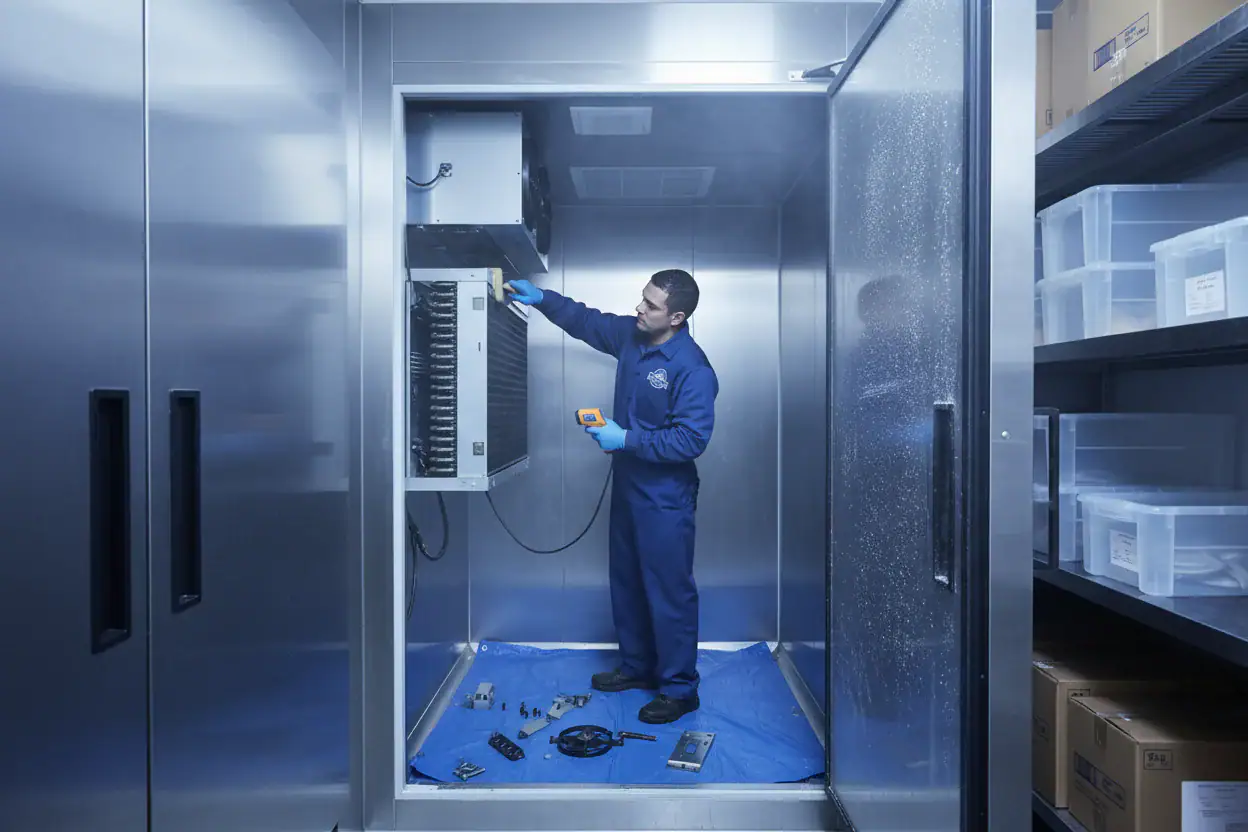
Professional maintenance goes deeper than what you can handle with basic tools and a ladder. We have the training and equipment to inspect components you can’t easily access and catch problems before they cause failures.
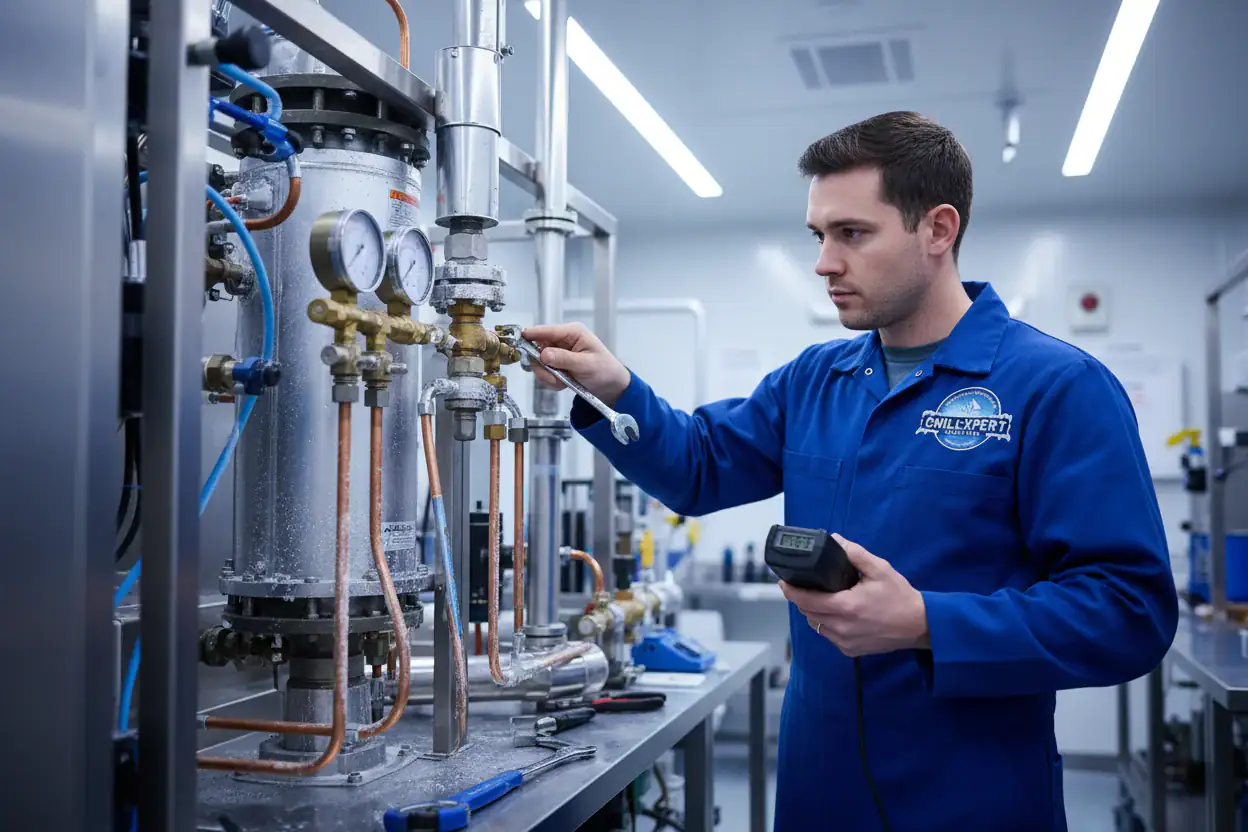
A proper tune-up starts with checking refrigerant levels. Too much or too little refrigerant makes your system work harder and costs you money in wasted energy. If levels are low, that usually means there’s a leak somewhere, and catching it early prevents damage to your compressor—one of the most expensive components to replace. We use specialized gauges to measure refrigerant charge precisely and can detect leaks that wouldn’t be obvious otherwise.
We clean your evaporator and condenser coils, which collect dirt and debris even when you’re changing filters regularly. Dirty coils can’t transfer heat efficiently, so your system runs longer to achieve the same cooling. This is one of the biggest efficiency killers in neglected systems, and it’s not something you can thoroughly clean yourself without the right tools and coil cleaning solutions.
Electrical connections get inspected and tightened. Loose connections cause systems to work inefficiently and can be safety hazards. We measure voltage and current on motors to verify everything is operating within normal ranges. We also inspect components like capacitors and contactors—parts that fail gradually and show warning signs before they actually quit. Replacing a capacitor that’s showing signs of wear during a scheduled visit costs a fraction of what you’d pay for an emergency call when it fails on a 95-degree Saturday.
The condensate drain line gets cleared too. When your AC cools air, it removes moisture, and that water has to drain away properly. A clogged drain can cause water damage or shut your system down completely. Clearing it during maintenance takes minutes. Dealing with water backing up into your house is a different situation entirely.
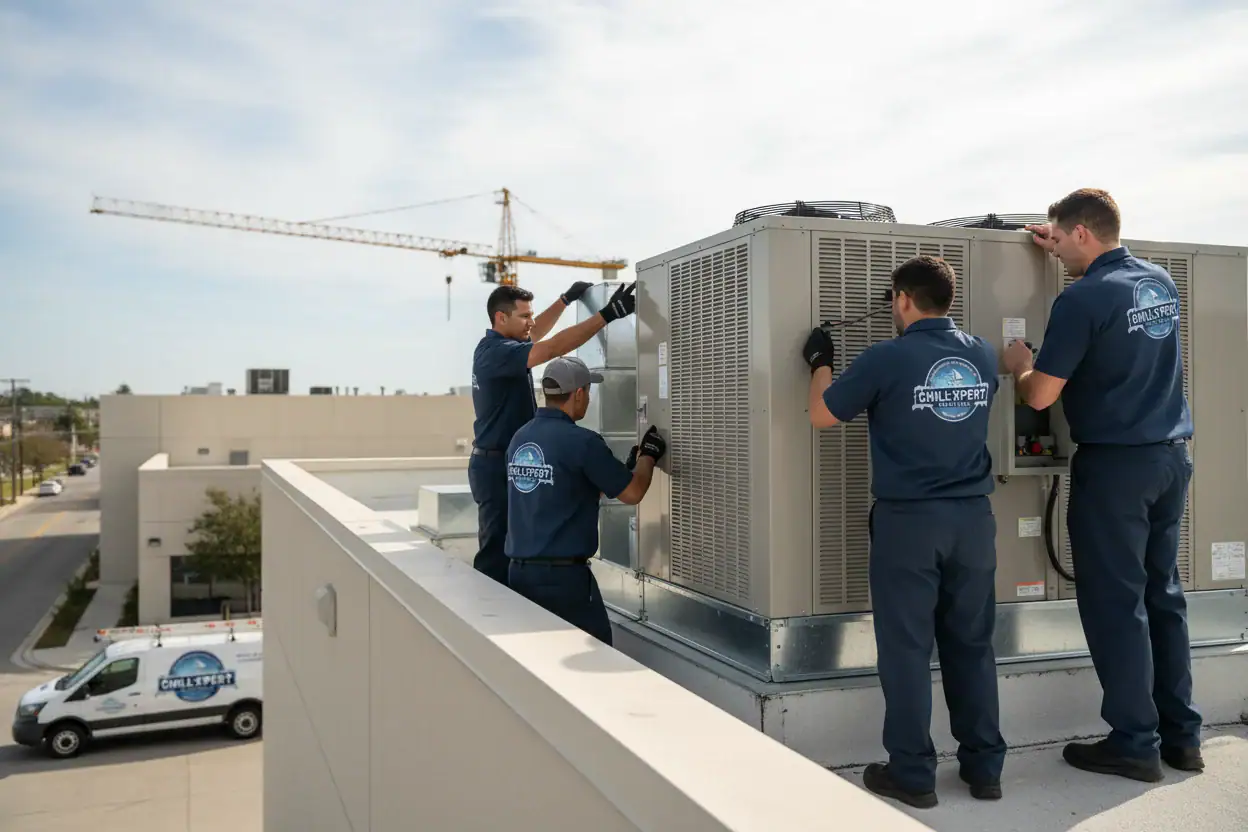
We also check your blower motor and fan, lubricate moving parts where needed, inspect ductwork for leaks, and verify that your thermostat is calibrated correctly. The whole process typically takes one to two hours, and you’re getting someone who knows what a component looks like when it’s about to fail—not just when it’s already broken.
Want live answers?
Connect with a Chill Xpert Solutions expert for fast, friendly support.
Timing makes a difference when it comes to central AC maintenance. The best window is spring—late March through May in Nassau County—before temperatures climb into the 80s and 90s and before every other homeowner realizes their system needs service.
Scheduling in April or early May means we have better availability, you’re not waiting days for an appointment, and any repairs that come up can be handled before you’re actually running your AC all day. If a part needs to be ordered, you have time to wait for it without sweating through a heat wave. By June, HVAC companies are fielding calls from people whose systems just quit working, and you don’t want to be competing with emergency repairs for appointment slots.
Annual maintenance is the standard recommendation, and it’s based on how these systems operate. Your AC runs hundreds of hours each cooling season. Components wear, dirt accumulates, and small issues develop. Catching those issues once a year prevents them from compounding into failures.
The cost difference between preventive maintenance and emergency repairs is substantial enough that it’s worth looking at actual numbers.
Annual air conditioning maintenance in Nassau County typically runs $100 to $350, depending on your system type and what’s included in the service. That covers a comprehensive inspection, coil cleaning, refrigerant check, electrical testing, and minor adjustments. If you sign up for a maintenance plan with us, you might pay toward the lower end of that range and get additional benefits like priority scheduling, discounts on repairs, and waived diagnostic fees.
Emergency AC repair costs tell a different story. The average emergency repair runs $350 to $650 just for the work itself. Add after-hours or weekend service fees—typically $150 to $300 extra—and you’re over $500 before we’ve even diagnosed what’s wrong. Major component failures like compressor replacement can hit $1,500 to $3,000. Evaporator coil replacement runs $1,000 to $2,000. These aren’t hypothetical numbers—they’re what homeowners actually pay when systems fail.
Here’s the part that changes the equation: regular preventive maintenance prevents 80% to 95% of those breakdowns. You’re not spending $150 a year for peace of mind—you’re avoiding the $2,200 compressor replacement that happens when a small refrigerant leak goes unnoticed for two seasons and damages expensive components.
There’s also the ongoing energy cost. A system running 20% less efficiently because of dirty coils, clogged filters, and low refrigerant costs an extra $30 to $60 per month in electricity. Over a five-month cooling season, that’s $150 to $300 in wasted energy every year. Over five years, you’ve thrown away $750 to $1,500 that could have stayed in your account with basic maintenance.
The math isn’t complicated. Invest a little now, or pay a lot more later when something breaks. Maintenance is always the cheaper option, and it comes with the bonus of not dealing with a broken AC during August in Nassau County.
Nassau County’s climate puts specific demands on AC systems that affect how often they need attention and what tends to fail first.
Summer humidity is the primary challenge. When outdoor air is saturated with moisture, your system works harder to dehumidify your home while cooling it. That’s extra strain on the compressor and extra condensation that has to drain away properly. If your drain line isn’t clear or your coils are dirty, that moisture becomes a problem—either backing up into your system or creating conditions where mold and bacteria grow in your ductwork.
Long Island’s pollen levels also matter. Spring and early summer bring waves of tree and grass pollen that coat outdoor units and get pulled into your system. That’s why filter changes matter more here than in drier climates with less vegetation. A filter that might last three months in Arizona might need changing every four to six weeks during Nassau County’s peak pollen season.
If you’re anywhere near the water, salt air accelerates corrosion on outdoor components. Regular cleaning and inspection catch corrosion before it causes failures, but it’s something that needs attention. A condenser unit that might last 20 years in a dry climate might need more frequent service to reach 15 years near the coast.
Seasonal temperature swings create stress too. Your system sits mostly idle from October through April, then suddenly runs for hours every day when summer arrives. That transition is hard on components, especially if they’ve been sitting with accumulated dirt and debris from the previous season. Spring maintenance catches those issues before the system is under full demand.
We work in Nassau County year-round and understand these patterns because we see them daily. When you’ve serviced hundreds of systems on Long Island, you know what fails first in this climate, what warning signs to watch for, and how to extend equipment life despite the challenging conditions. That local knowledge matters when you’re trying to keep a system running reliably season after season.
Air conditioner maintenance doesn’t require perfection. It requires consistency with a few key tasks: change filters regularly, keep your outdoor unit clear of debris, and schedule professional service once a year before cooling season starts.
Those three things prevent most of the problems homeowners face—the efficiency losses that drive up energy bills, the gradual component wear that leads to failures, and the emergency breakdowns that happen during heat waves when you need your AC most. It’s not complicated, but it does require actually doing it instead of putting it off until something breaks.
The alternative is reactive maintenance—waiting until your system quits, then dealing with the cost, the wait time for service, and the discomfort of a house that’s too hot while you scramble for solutions. That approach costs more money and creates more stress. It’s not a better plan.
If you’re in Nassau County and want straightforward service from people who know these systems inside and out, we bring over 40 years of experience to residential and commercial HVAC work. We handle routine maintenance, complex repairs, and everything in between, with the kind of clear communication that makes the process easier. Reach out when you’re ready to get your system checked—or better yet, before you actually need to.
Article details:
Share:
Continue learning: