One maintenance task prevents most summer refrigeration failures. Condenser cleaning protects your equipment, inventory, and bottom line when temperatures climb across Long Island.
Share:
Summary:
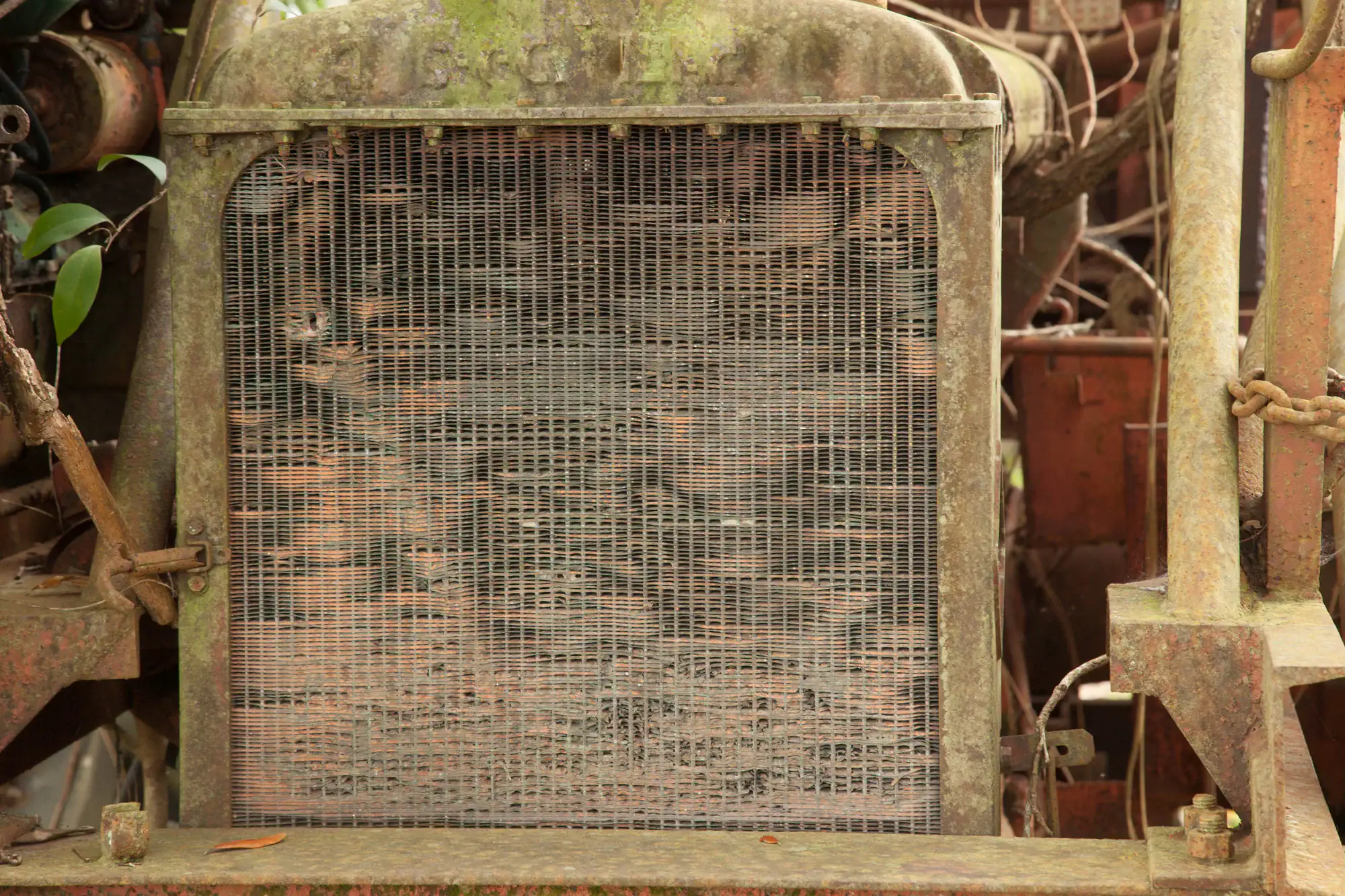
Your condenser coils have one job: release heat from your refrigeration system to the outside air. When those coils get coated with dust, grease, and debris, heat can’t escape efficiently. The refrigerant stays warmer than it should, forcing your compressor to work harder and run longer just to maintain the same temperature inside your walk-in cooler.
This isn’t a minor inconvenience. Dirty condenser coils are the most frequent service problem in commercial refrigeration. When the coils can’t reject heat properly, your system compensates by raising the condensing temperature and pressure—creating a cascade of problems that stress every component.
Your compressor runs hotter. Your energy bills climb. Your equipment ages faster. And during peak summer demand when outdoor temperatures soar and your business needs refrigeration most, the system finally gives out.
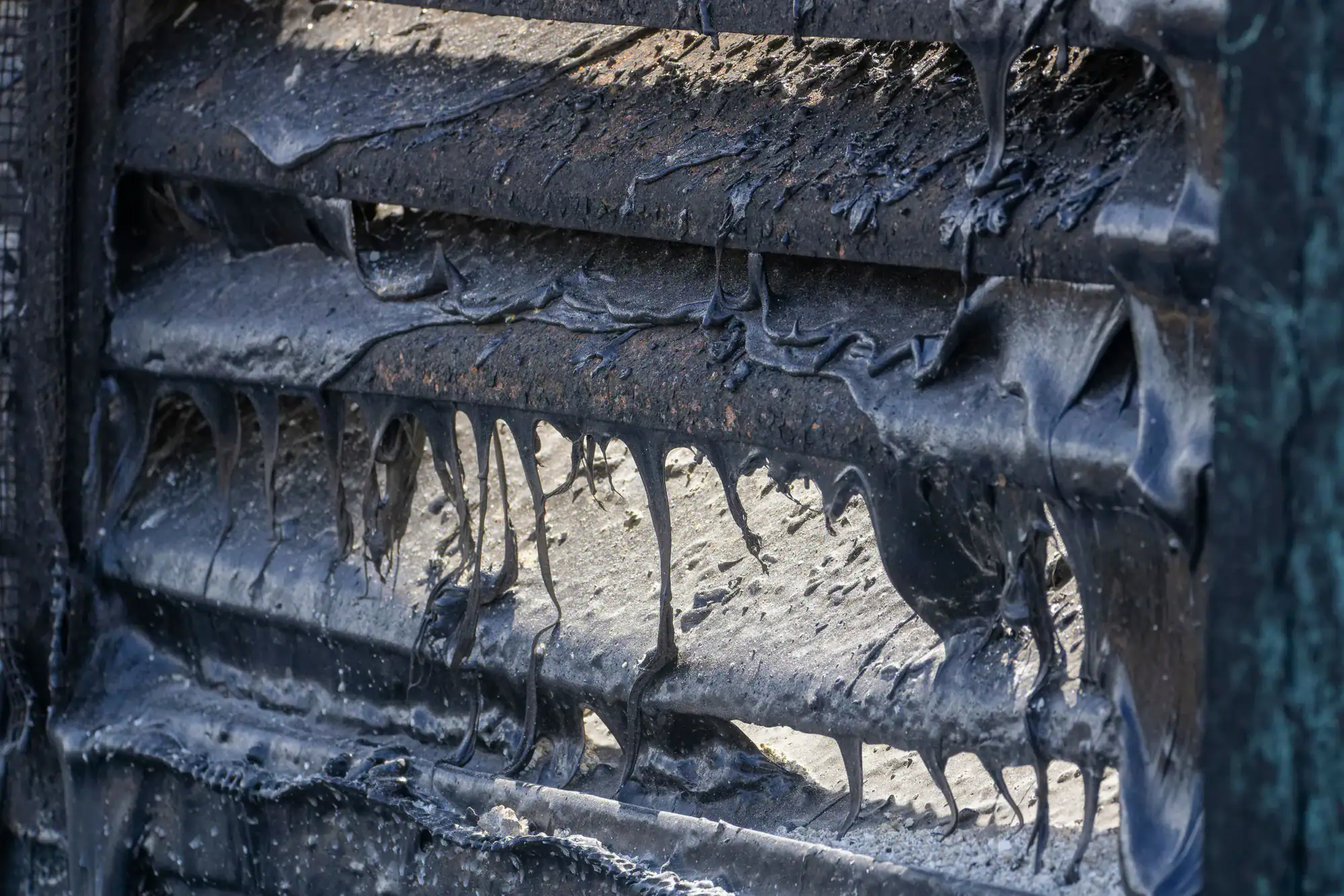
The physics are straightforward. Heat transfer requires clean surface area. When condenser fins get clogged with dust, lint, grease, or debris, that surface area shrinks. Your system can’t move heat from inside your cooler to outside air fast enough.
To compensate, the condensing temperature rises. In a clean system running at 90°F ambient temperature, you might see 110°F condensing temperature—a 20-degree difference that allows efficient heat rejection. When those same coils get dirty, that condensing temperature might climb to 135°F or higher. The temperature difference increases enough to push heat through the blockage, but your system runs extremely inefficiently.
Higher condensing temperatures mean higher condensing pressures. Your compressor must work against that elevated pressure on every stroke, consuming more electricity and generating more heat. The compression ratio increases, discharge temperatures climb, and oil begins breaking down at temperatures above 350°F. What started as dusty coils becomes a compressor overheating problem—and compressor overheating is the most serious field problem in commercial refrigeration.
The compressor isn’t designed for this punishment. It’s working overtime in conditions that accelerate wear on every internal component. Valves, pistons, bearings—all aging faster than they should. Meanwhile, your electricity meter spins faster as the system draws more power to do the same cooling job it used to handle easily.
You’ll notice symptoms before complete failure. Temperatures inside your walk-in cooler start fluctuating. The compressor runs constantly instead of cycling off. You hear unusual noises—humming, rattling, or grinding that wasn’t there before. Your circuit breaker might trip repeatedly as the overworked compressor draws excessive current.
These are warning signs that dirty condenser coils have pushed your system past efficient operation into survival mode. Every hour of continued operation in this state shortens your equipment’s lifespan and increases the likelihood of a catastrophic failure during your busiest service period.
Long Island summers are brutal on commercial refrigeration. When outdoor temperatures hit 90°F or higher, your condenser coils must reject heat into already-hot air. The temperature difference between your refrigerant and ambient air shrinks, making heat transfer less efficient even with perfectly clean coils.
Add a layer of accumulated dust and debris to those coils, and you’ve created conditions for system failure. Your compressor can’t keep up with demand. Temperatures inside your walk-in cooler start creeping up—slowly at first, then faster as the system loses the battle against summer heat.
This is when restaurants, delis, and catering operations across Nassau County and Suffolk County face their highest refrigeration failure rates. Peak summer demand coincides with peak system stress. You’re running your cooler harder because you’re storing more inventory for busy season. Your kitchen is hotter, adding more heat load to the space. And your dirty condenser coils can’t handle the workload.
The failure often happens overnight or during a weekend when you’re not monitoring temperatures closely. You arrive Monday morning to find your walk-in cooler sitting at 55°F instead of 38°F. Thousands of dollars in inventory—meat, dairy, produce, prepared foods—all at risk or already spoiled.
Emergency service calls during summer cost more because every refrigeration contractor is slammed with similar calls. Parts take longer to source. And while you’re waiting for repairs, you’re losing revenue from menu items you can’t serve and customers you can’t accommodate. A single major equipment failure typically costs between five thousand and fifteen thousand dollars when you factor in emergency service, parts, lost revenue, and spoiled inventory.
Preventive condenser cleaning eliminates this risk. Clean coils allow your system to reject heat efficiently even during the hottest summer days. Your compressor runs at normal temperatures and pressures. Your energy consumption stays reasonable. And your equipment makes it through peak season without drama.
Want live answers?
Connect with a Chill Xpert Solutions expert for fast, friendly support.
Most maintenance programs check boxes without preventing failures. A technician shows up, looks at your equipment, confirms it’s running, and leaves. Two months later, your compressor dies and you’re told the condenser coils were too dirty.
Effective commercial refrigeration maintenance focuses on the tasks that actually prevent breakdowns. Condenser coil cleaning sits at the top of that list. Clean coils reduce the probability of refrigeration system failures by up to 70%. They extend equipment lifespan by years. And they cut energy consumption by 10% to 20%.
The cleaning frequency depends on your environment. Walk-in coolers in restaurant kitchens with heavy grease exposure need quarterly cleaning. Units in cleaner environments might stretch to every six months. But every three to four months is the sweet spot for most commercial operations across Long Island—frequent enough to prevent buildup, infrequent enough to be cost-effective.
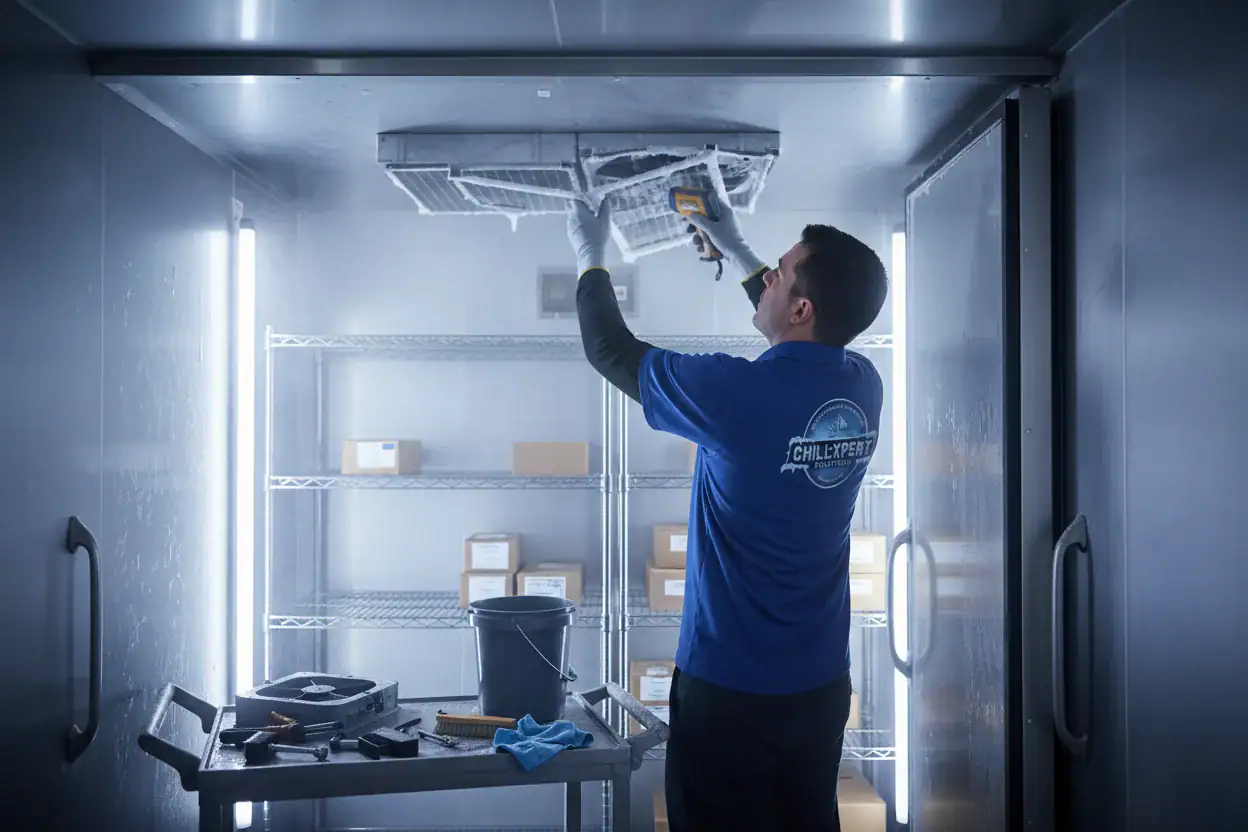
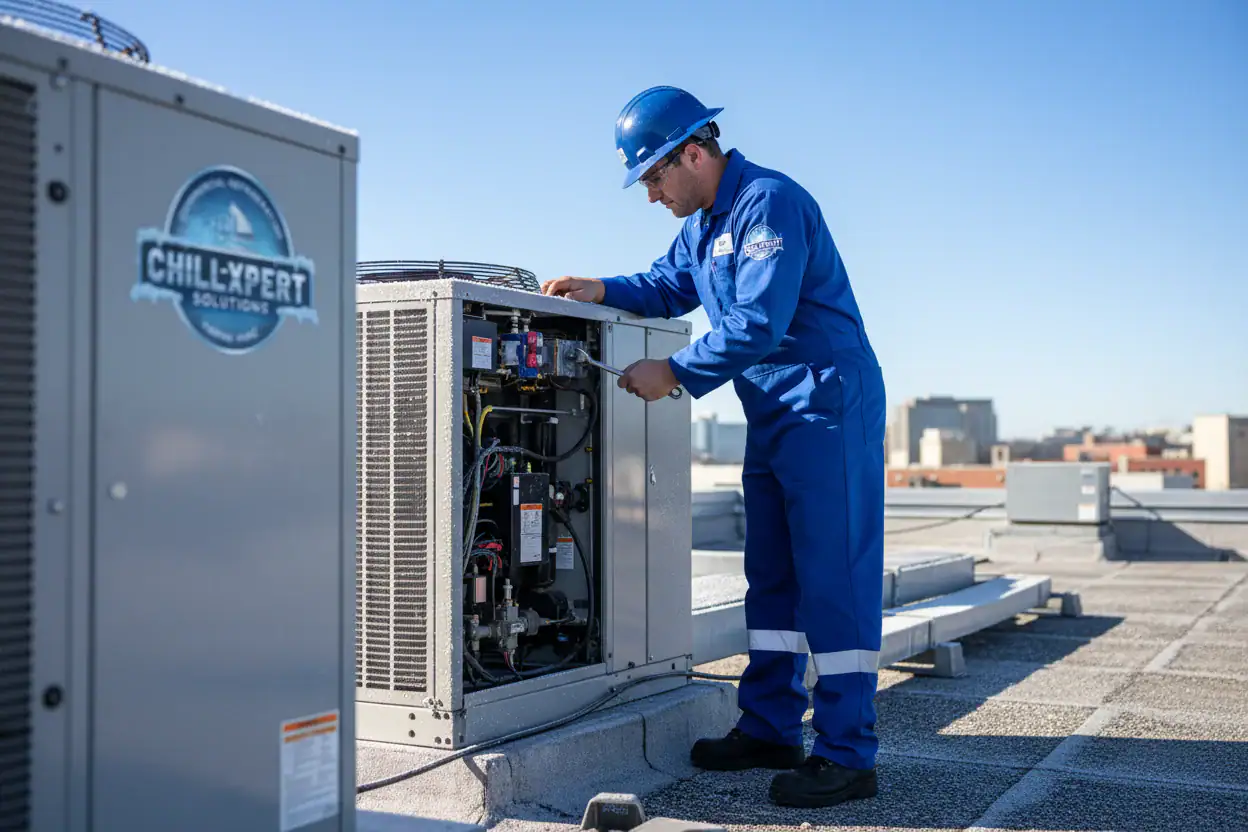
Real condenser cleaning isn’t a quick vacuum job. It requires accessing the coils, removing accumulated debris from between the fins, and restoring full airflow through the entire coil surface. For air-cooled condensers, that means removing protective grilles, brushing or blowing debris from the coil fins without bending them, and checking for any damage that could affect performance.
Grease accumulation in kitchen environments requires specialized degreasers applied carefully to avoid damaging coil surfaces or electrical components. The cleaner must be OEM-approved and rinsed thoroughly—residue left on coils can attract more dirt and create problems worse than the original buildup.
While cleaning, a good technician inspects for other issues. Bent fins that restrict airflow get straightened. Fan motors are checked for proper operation and debris buildup. Refrigerant lines are inspected for signs of leaks or damage. Electrical connections are verified tight. It’s preventive maintenance that actually prevents problems instead of just documenting them.
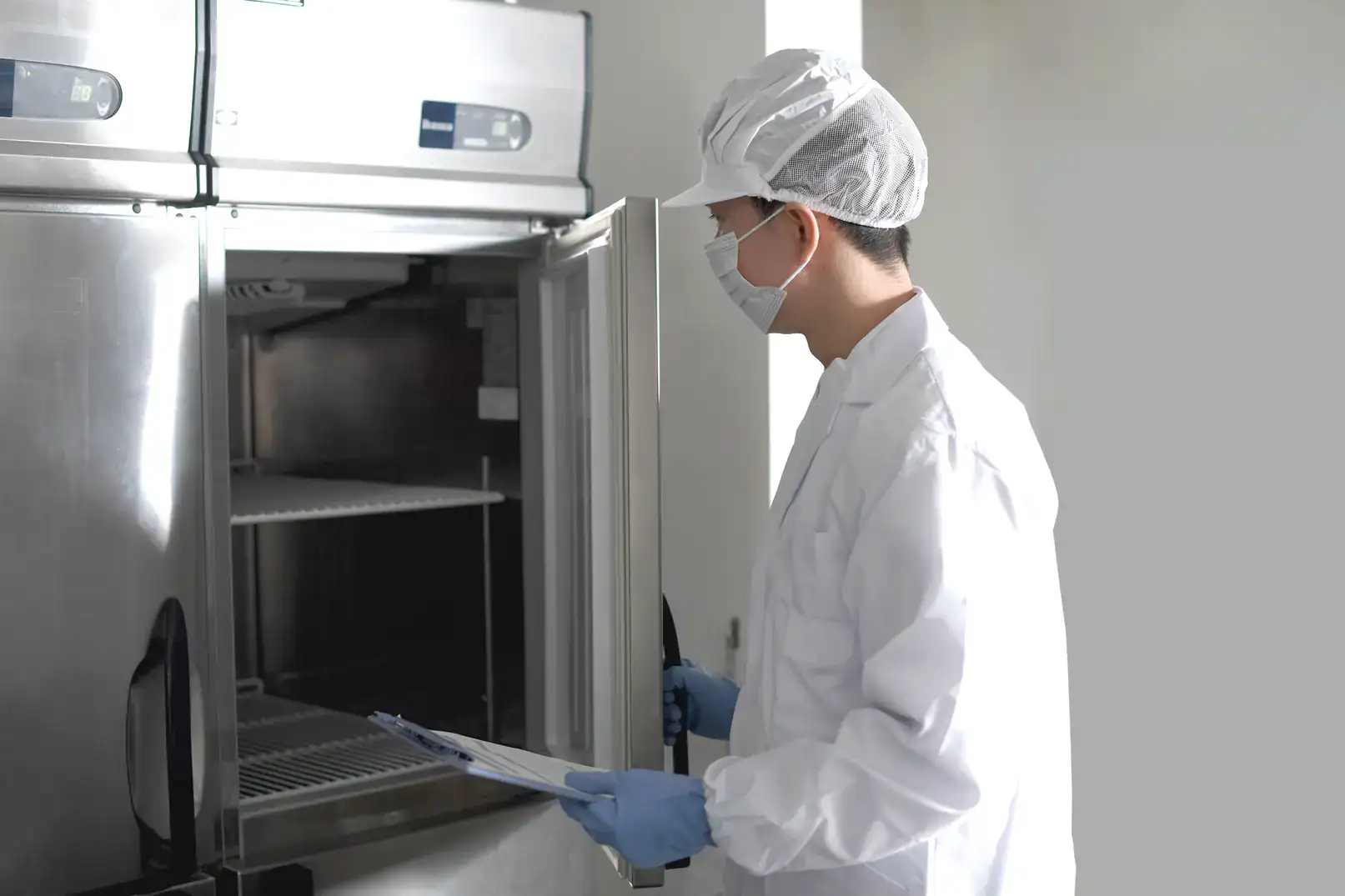
The evaporator coils inside your walk-in cooler need attention too. These coils absorb heat from inside your cooler, and frost or debris buildup reduces their efficiency just like dirty condenser coils. A complete commercial refrigeration maintenance visit addresses both sides of the system—the condenser that rejects heat and the evaporator that absorbs it.
Door gaskets, drain lines, defrost systems, and temperature controls all get checked during a thorough service visit. But the condenser coil cleaning remains the highest-value task. It’s the one maintenance step that most directly prevents the compressor overheating and system failures that shut down your operation.
For businesses across Nassau County and Suffolk County, finding a commercial refrigeration service provider who understands this priority makes the difference between maintenance that works and maintenance that wastes money. You want technicians who clean coils thoroughly, not superficially. Who check refrigerant levels and pressures. Who spot problems before they become failures.
Skipping condenser cleaning feels like saving money until your compressor fails. Then the math changes dramatically. A preventive maintenance visit might cost a few hundred dollars. An emergency compressor replacement runs several thousand—plus lost inventory, lost revenue, and the chaos of operating without refrigeration during peak season.
Regular maintenance can reduce overall repair costs by 40%. That’s not marketing speak—it’s the documented result of catching problems early before they cascade into major failures. A refrigerant leak detected during routine service costs a fraction of what you’ll pay when that leak empties your system completely and damages the compressor.
Energy savings add up faster than most operators realize. When your condenser coils are dirty and your system is working 20% harder to maintain temperature, that extra energy consumption shows up on every utility bill. Over a year, the wasted electricity from dirty coils can exceed the cost of quarterly cleaning visits. Clean coils reduce energy bills by 10% to 20%—money that goes straight to your bottom line instead of the power company.
Equipment lifespan matters too. Commercial refrigeration systems should last 10 to 15 years with proper maintenance. Skip the maintenance, and you’re replacing equipment at 5 to 7 years. That’s cutting your equipment life in half and doubling your capital costs over time. Preventive maintenance can extend equipment lifespan by 30%—years of additional service from systems you’ve already paid for.
The businesses that treat condenser cleaning as optional tend to run more expensive operations overall. Higher energy bills. More frequent repairs. Shorter equipment life. Emergency service calls during peak season. Food spoilage incidents. All preventable with routine maintenance that costs less than a single emergency repair.
For restaurants, delis, and catering operations where refrigeration is mission-critical, preventive maintenance isn’t an expense—it’s insurance against the much larger costs of system failure. You’re protecting inventory worth thousands of dollars, maintaining your ability to serve customers, and preserving your reputation for consistency and reliability.
Condenser cleaning prevents the majority of commercial refrigeration failures. It’s the simple maintenance task that protects your compressor, extends equipment life, cuts energy costs, and keeps your operation running through peak summer demand. For businesses across Nassau County, Suffolk County, and Long Island, it’s the difference between smooth operations and crisis management.
The businesses that prioritize preventive refrigeration maintenance spend less on repairs, waste less on energy bills, and replace equipment half as often as operators who skip routine service. They don’t deal with emergency breakdowns during Saturday dinner service or spoiled inventory on Monday morning.
If you’re ready to protect your refrigeration systems with maintenance that actually prevents problems, we bring over 40 years of commercial refrigeration expertise to every service call across Long Island. Our team handles everything from routine condenser cleaning to complex system repairs—with the 24/7 availability you need when refrigeration is critical to your operation.
Article details:
Share:
Continue learning: