Your kegerator might be ice cold, but if the tower isn't, you're pouring foam. Here's why that's a refrigeration problem — not an HVAC one.
Share:
Summary:
You open the tap after a slow hour and the first pint is mostly foam. You adjust the CO2, maybe fiddle with the pressure, and it gets a little better — until it doesn’t. Sound familiar?
The problem usually isn’t the keg. It isn’t even the kegerator. It’s the tower. And the fix isn’t something your regular HVAC technician is trained to handle — even if they’re willing to try.
Here’s what’s actually happening inside your draft system, why kegerator tower cooling is a precision refrigeration job, and what Nassau County operators need to know before they call anyone.
The kegerator keeps the keg cold. But the tower — the column that extends up through the bar top and into the ambient air of your space — sits entirely outside that refrigerated compartment. During a busy service, warm air constantly surrounds it. During a slow period, beer sits in those lines and warms up.
When beer warms, it releases dissolved CO2. So when you open that tap, the first thing out is foam — not beer. That’s not a pressure problem. That’s a temperature problem, and no amount of CO2 adjustment will fix it permanently. You need active cooling in the tower itself.
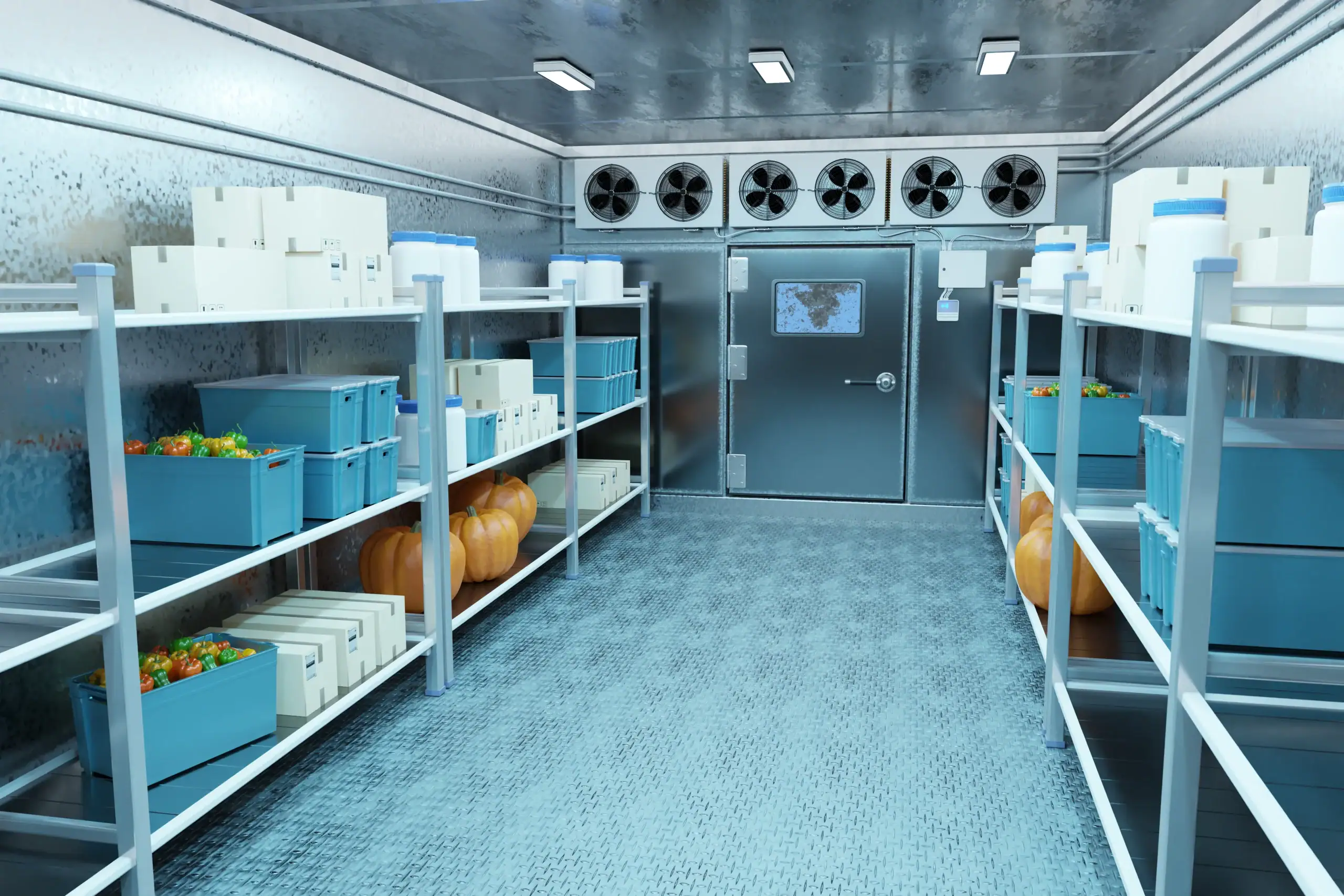
There are two main approaches to keeping a draft tower cold, and which one you have — or need — matters a lot when something goes wrong.
An air-cooled system uses a blower to push chilled air from inside the kegerator up through insulated tubing alongside the beer lines, all the way to the tower. It’s a simpler setup, common in direct-draw systems where the keg is right below the tap. When it works, it works well. When the blower fails, the fan housing cracks, or the insulation degrades, the tower warms quickly and foam follows.
A glycol-cooled system is a different animal. Refrigerated propylene glycol circulates through a trunk line from a remote chiller unit, runs through cooling blocks inside the tower, and returns back to the chiller. It’s the standard for long-draw systems — bars where the kegs are stored in a walk-in cooler some distance from the taps. Glycol systems are more complex, more powerful, and when they fail, the diagnosis requires someone who understands refrigerant chemistry, fluid dynamics, and commercial refrigeration — not just ductwork and thermostats.
This is where the “call your HVAC guy” instinct starts to cost people money. A comfort cooling technician is trained to keep a room at 72°F for human occupancy. A commercial refrigeration specialist is trained to maintain 38°F at a faucet inside a pressurized, food-grade system. Those are genuinely different disciplines, different certifications, and different toolsets. The fact that both involve cooling doesn’t make them interchangeable — any more than a family doctor and a cardiologist are interchangeable because both went to medical school.
Under federal law (EPA Section 608 of the Clean Air Act), any technician who works on refrigerant-containing equipment must be certified. That applies directly to kegerator systems and glycol chillers. If the person you’re calling isn’t EPA 608 certified, they shouldn’t be touching your system — and if something goes wrong, the liability lands on you.
Nassau County doesn’t make this easier. July highs averaging around 82°F, combined with the humidity that rolls in off the Great South Bay and Reynolds Channel, put real stress on any cooling system. Your kegerator is working harder just to hold temperature in the keg. The tower — surrounded by warm, humid bar air — is fighting an uphill battle all season long.
And of course, summer is exactly when draft beer demand peaks. Waterfront bars in Freeport and Long Beach are slammed on weekends. Catering halls in Garden City and Westbury are running receptions back to back. The system stress and the revenue stakes hit their highest point at the same time.
A tower cooling setup that barely keeps up in February can fail completely in July. That’s not a coincidence — it’s physics. We see a significant spike in kegerator tower service calls across Nassau County every summer, often from operators who assumed their system was fine because it worked fine in the off-season.
The coastal environment adds another layer. Salt air from the South Shore and North Shore harbors accelerates corrosion on metal components inside draft systems — tower fittings, blower housings, line couplings. What looks like a cooling problem is sometimes a corrosion problem underneath. That kind of diagnosis requires someone who’s worked in marine environments, not just commercial kitchens. It’s one of the reasons our background in marine HVAC and refrigeration — serving marinas, yacht clubs, and waterfront venues throughout Nassau County — actually makes us better at commercial draft system work than a standard refrigeration contractor.
Want live answers?
Connect with a Chill Xpert Solutions expert for fast, friendly support.
This might seem like an odd connection, but it’s one we’ve seen play out in practice for over 40 years. Marine air conditioning repair demands a level of precision that most land-based HVAC work simply doesn’t require — tight spaces, saltwater corrosion, power constraints, and temperature targets that leave no margin for error.
That same discipline applies directly to cooling a kegerator tower. The target temperature is tight (38°F at the faucet), the environment is hostile (warm, humid bar air), and the consequences of getting it wrong are immediate and measurable in lost product and unhappy customers. The skill sets overlap more than most people realize.
When we work on boat air conditioning repair aboard vessels docked at Oyster Bay or moored in Manhasset Bay, we’re dealing with cooling systems that have to perform reliably in a saltwater environment, often in confined engine compartments, with no tolerance for guesswork. Brands like Marine Air, Cruisair, and Webasto each have their own system architectures, their own failure modes, and their own parts specifications. You learn to diagnose precisely and fix it right the first time, because there’s no “close enough” when someone’s living aboard.
That precision carries over. When we’re looking at a glycol chiller that’s not maintaining tower temperature, or an air-cooled blower that’s running but not moving enough cold air to offset the ambient heat in a busy Hempstead bar, we’re applying the same diagnostic rigor. We’re not guessing at the symptom — we’re tracing the system back to the root cause.
This is also why parts availability matters so much. Our trucks carry thousands of parts, because a diagnosis that leads to “I’ll have to order that and come back next week” isn’t a solution for a bar that’s open tonight. Whether it’s a blower motor for an air-cooled tower or a glycol pump component for a long-draw system, the goal is always same-day resolution.
The argument for calling a refrigeration specialist instead of a general HVAC contractor isn’t about credentials for their own sake. It’s about what actually happens when the wrong technician shows up.
We’ve seen it more times than we can count. A bar owner calls their regular HVAC company because they service the rooftop units. The technician looks at the kegerator, adjusts the CO2 regulator to compensate for the warm tower, and calls it done. The foamy pours improve for a week or two. Then the problem comes back — because the CO2 adjustment was masking the symptom, not fixing the cause. The tower is still warm. The beer is still warming in the lines during idle periods. Nothing has actually changed.
Meanwhile, the bar has paid for a service call, lost time, and is now two weeks further into a problem that’s quietly costing them product on every slow hour. In a busy Nassau County bar running multiple taps through the summer, that waste adds up fast. Industry estimates put foam waste at 20 to 25 percent of a keg’s volume in a poorly maintained draft system. Multiply that across a week of service and the math gets uncomfortable quickly.
Boat AC repair demands — and builds — a different kind of diagnostic thinking. When you’re servicing marine refrigeration systems aboard vessels that operate in the waters between Nassau County’s North and South Shores, you learn to read a system holistically. You don’t patch what’s visible. You trace the problem to its source, because a partial fix on a boat in the water isn’t a fix at all. That same habit of thorough diagnosis is exactly what a commercial draft system deserves.
If your draft beer is coming out foamy, your tower is warm to the touch, or your system falls apart every summer when you need it most, the answer isn’t more CO2 and it isn’t your general HVAC contractor. It’s a refrigeration specialist who actually understands how these systems work from keg to faucet.
We’ve been doing this across Nassau County for over 40 years — commercial refrigeration, marine HVAC, beer systems, glycol chillers, and everything in between. We offer free estimates, carry the parts to fix most problems the same day, and can typically be on-site in under two hours. No vague invoices, no runaround, no temporary fixes that send you back to square one in a month.
If you’re dealing with a cooling kegerator tower problem anywhere in Nassau County — from Long Beach to Great Neck, Freeport to Garden City — reach out to Chill Xpert Solutions. We’ll tell you exactly what’s wrong and exactly what it takes to fix it.
Article details:
Share:
Continue learning: