Most "24/7" refrigeration services aren't what they claim. Here's what genuine emergency repair looks like — and what to ask before you trust anyone with your equipment in Nassau County.
Share:
Summary:
It’s late. Your walk-in cooler is warm. You’ve got a full house tomorrow — or worse, a Saturday wedding booked and $4,000 worth of food sitting in a box that’s climbing toward 50 degrees. You search “emergency refrigeration repair Nassau County,” find a few companies claiming 24/7 service, and start dialing. The first one goes to voicemail. The second promises a callback. The third says someone can come out in the morning.
That’s the reality of “24/7 emergency refrigeration repair” for a lot of Nassau County businesses. The phrase is everywhere. The actual service? Much harder to find. Here’s what it should look like — and how to tell the difference before you’re stuck waiting until sunrise.
Emergency service isn’t just about being available after hours. It’s about what happens the moment you call. A real emergency refrigeration provider picks up the phone — not an answering service, not a voicemail, not a dispatcher who’ll relay your message and hope someone calls back. You need a technician on the line who can ask the right questions, tell you what to do right now to protect your inventory, and give you a realistic arrival window.
That window matters more than most people realize. Every hour a commercial refrigeration system sits above safe temperature is an hour your food is moving through the danger zone — the range between 40°F and 140°F where bacteria multiply fast. The FDA Food Code requires refrigerated storage to hold at 41°F or below. Once you’re above that, you’re not just dealing with a repair bill. You’re dealing with a potential health code violation, possible spoilage loss, and the kind of inspection outcome that can close a restaurant.
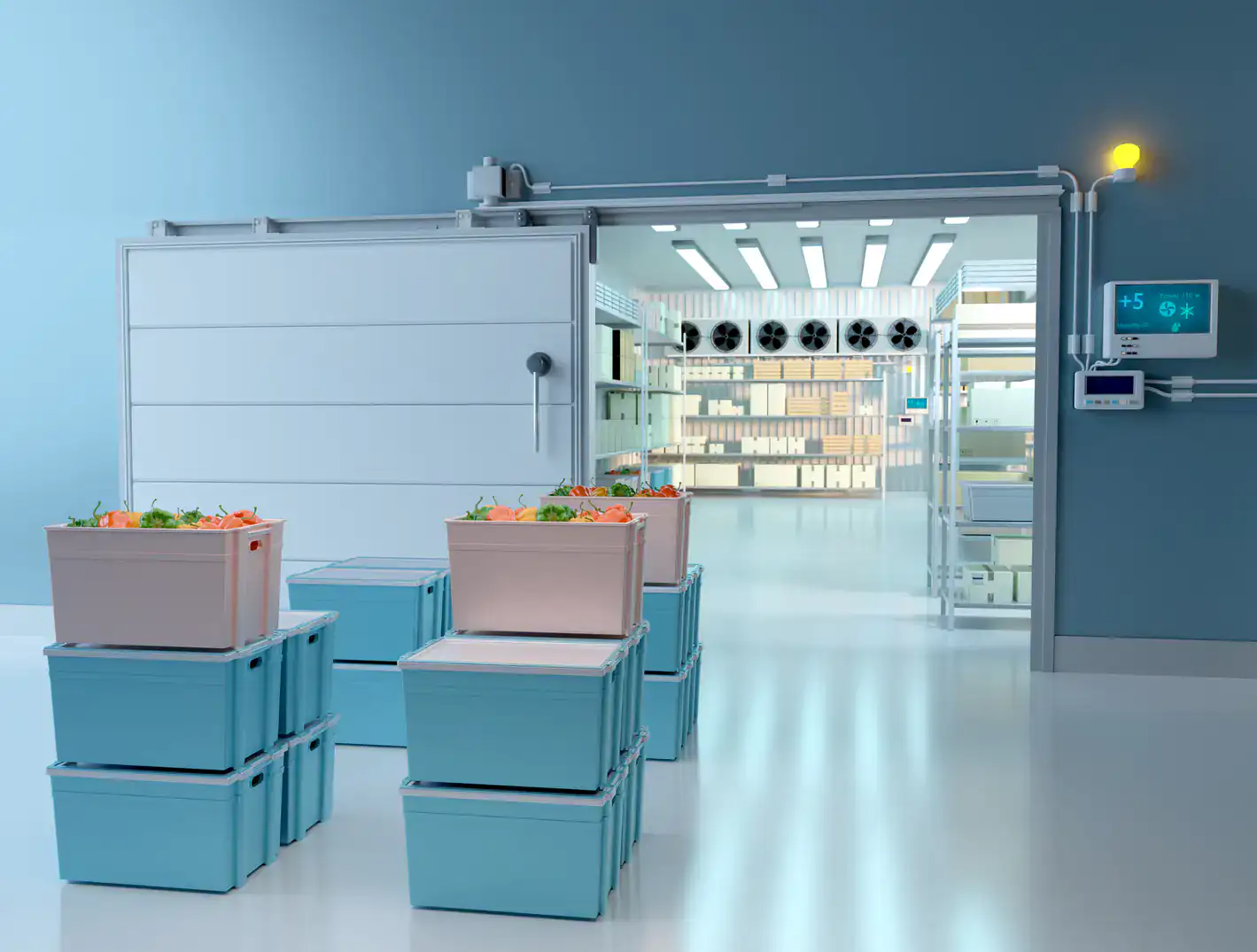
The first hour is when most of the damage happens — or gets prevented. If you reach a live technician immediately, you can start taking protective steps before they even arrive. Move the most temperature-sensitive items to a backup unit if you have one. Keep the door closed as much as possible to hold whatever cold is left. Note when the issue started and what the temperature is reading now.
These aren’t complicated steps, but having someone walk you through them in real time makes a real difference. If you reach a voicemail, you lose that window entirely. You’re left guessing, watching the temperature climb, and doing the math on what’s going to spoil before anyone shows up.
In Nassau County, where July and August regularly push ambient temperatures into the upper 80s and beyond, a refrigeration failure during summer isn’t just inconvenient — it’s a race. The same heat that’s packing your catering hall on a Saturday night is also pushing your compressor harder than any other time of year. Systems that were running fine in April can fail completely in August, often with no warning.
When they do fail, the speed of your response determines how much of your inventory you save. That’s why the question isn’t just “are they available?” It’s “what happens when I actually call?” A genuine emergency refrigeration service in Nassau County should be able to tell you exactly how long until a technician is on-site — not “as soon as possible,” not “we’ll try to get someone out tonight.” A specific number. An actual commitment.
We respond in under two hours across Nassau County and Suffolk County. That’s not a marketing line — it’s the standard we hold ourselves to because we know what’s at stake when your system goes down.
There’s a version of emergency refrigeration repair that goes like this: a technician shows up, diagnoses the problem, and then tells you they’ll need to order the part. They’ll be back in two to three days. In the meantime, your walk-in is down.
For a deli in Hicksville running through a busy week, or a restaurant in Garden City prepping for a packed weekend, two to three days isn’t a minor inconvenience. It’s a potential closure. It’s dumped inventory, cancelled reservations, and a health department visit you didn’t plan for.
A technician who shows up without the parts to fix the most common refrigeration failures isn’t providing emergency service — they’re providing emergency diagnosis. Those are very different things.
We handle it differently. Our trucks are stocked with genuine OEM parts for the repairs that come up most often. About 70% of the emergency calls we respond to are fixed on the first visit. For the remaining cases where a specialized part is needed, we don’t just leave you with a broken system and a work order. We put a temporary solution in place to keep your equipment running while we source the right component. Your operation stays open. Your inventory stays cold.
That approach comes from 40 years of doing this work across Nassau County and Suffolk County. You learn quickly which parts fail most often, which systems need what, and how to keep a business running while you work toward a permanent fix. It’s not magic — it’s just experience applied to a real problem.
Want live answers?
Connect with a Chill Xpert Solutions expert for fast, friendly support.
When you’re in the middle of a refrigeration emergency, you don’t have time to vet five contractors. You’re going to call whoever ranks first and sounds credible. That’s exactly why it’s worth knowing — before an emergency happens — what separates a legitimate emergency provider from one that just claims to be.
Ask three questions: Can you tell me your response time right now? Are your technicians EPA 608 certified? And will you give me a price estimate before you start work? If any of those answers are vague, that tells you something important.
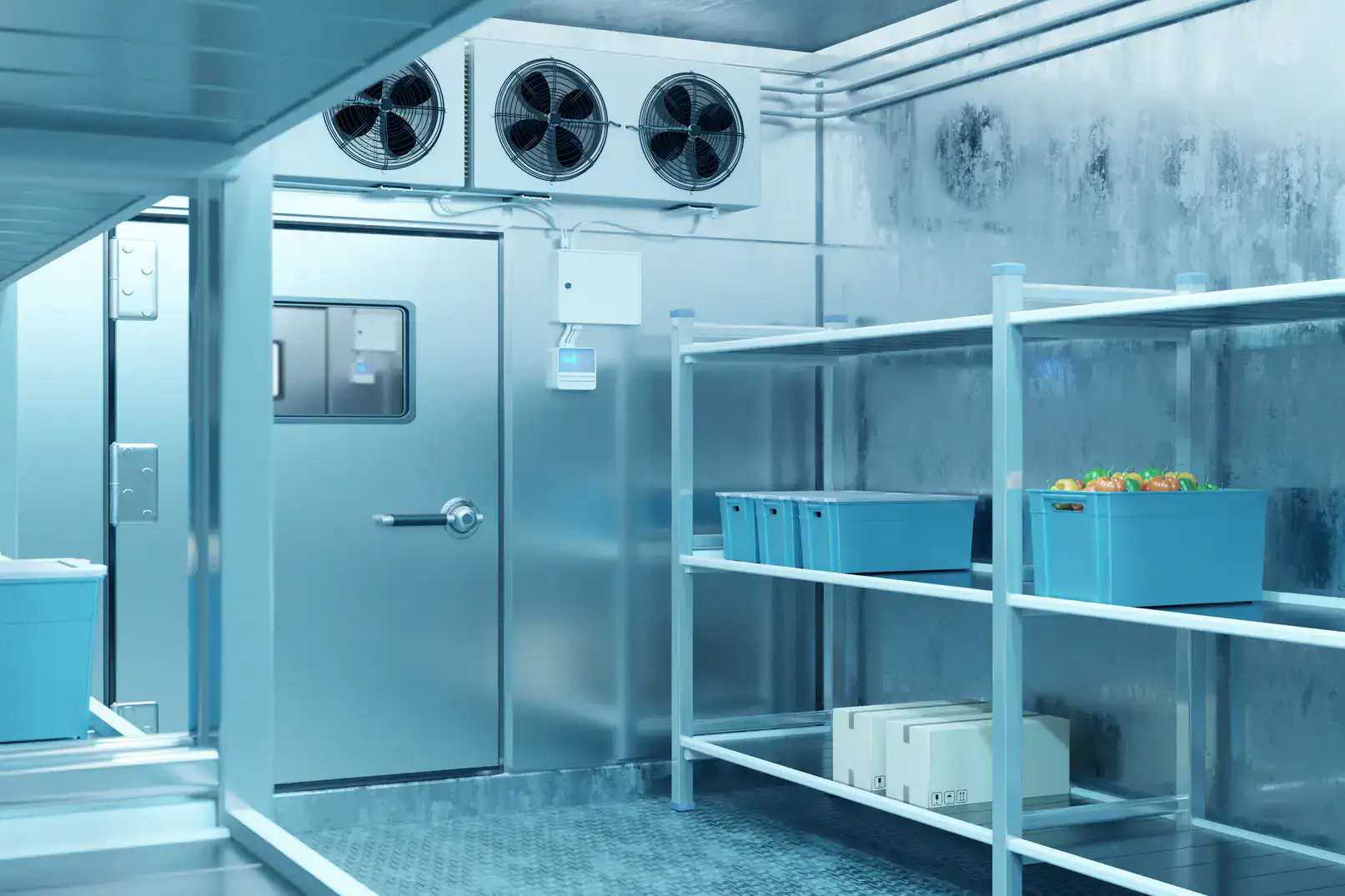
EPA Section 608 certification isn’t optional — it’s a federal requirement under the Clean Air Act for any technician who handles refrigerants. This applies to commercial walk-ins, reach-in units, split systems, and any other refrigeration equipment that uses refrigerant. If a technician can’t confirm their EPA 608 certification, they’re not legally permitted to work on your system.
In New York, commercial properties can also require technicians to carry their certification cards on-site — and failure to produce one during an inspection can result in fines. Every technician we send out holds EPA 608 certification and meets all New York State licensing requirements. That’s not a differentiator we invented — it’s the legal baseline for doing this work correctly.
Beyond certification, look for specificity. A technician who can tell you what’s likely causing your problem based on the symptoms — before they’ve even arrived — is drawing on real experience. One who needs to “take a look first” before they can say anything useful may be qualified, but they’re not drawing on the kind of deep familiarity with common failure patterns that comes from decades in the field.
We’ve been working on commercial refrigeration systems across Nassau County long enough to know that a walk-in running warm in August is more likely to be a condenser coil issue than a compressor failure. That the ice machine in a Freeport marina restaurant has different stress patterns than the one in a Mineola deli. That a reach-in in a Great Neck catering hall running constantly without cooling is a different diagnostic conversation than one that cycles normally but can’t hold temperature. These distinctions matter when you’re trying to get someone’s system back up in the middle of the night.
Nassau County sits at the intersection of two refrigeration markets that most contractors treat as completely separate: commercial food service and marine. The South Shore — from the Nautical Mile in Freeport down through Oceanside and Hewlett — has some of the most active marina and boating infrastructure in the Northeast. The North Shore, from Port Washington through Great Neck and Sands Point, is home to high-end yacht clubs and private marinas serving vessel owners who depend on onboard refrigeration and marine air conditioning systems to function.
When a boat’s refrigeration fails at a South Shore marina at 6 a.m. before a weekend charter, there is almost no one to call. General HVAC contractors aren’t equipped for marine systems. Marine refrigeration involves saltwater corrosion, tight space constraints, power limitations, and motion-related stress that land-based systems simply don’t deal with. Sending a commercial refrigeration technician who’s never worked on a vessel is a good way to create new problems while the original one goes unsolved.
We handle both. Commercial walk-ins and reach-ins for the restaurants, delis, catering halls, and airports we’ve served for decades across Nassau County — and marine refrigeration and HVAC for vessel owners who need someone who actually understands what they’re working with. That combination is genuinely rare in this region, and it’s something we’ve built over 40 years of serving a market that needs both.
It also means that when an emergency call comes in from somewhere unexpected — an airport catering kitchen in the pre-dawn hours, a yacht at a Freeport marina, a catering hall in Mineola the morning before a 200-person event — we’re not figuring it out as we go. We’ve been there before.
If you’re reading this in the middle of an emergency, here’s the short version: keep the door closed, move the most vulnerable inventory if you have a backup option, note the current temperature reading, and call someone who will actually pick up.
If you’re reading this before an emergency — which is the better time to be doing this research — the takeaway is simpler. Know who you’re going to call before your system fails. Verify they’re EPA 608 certified. Confirm they stock parts and can give you a real response window. And make sure that when you dial at 2 a.m., a technician answers — not a machine.
Chill Xpert Solutions has been handling emergency refrigeration repair across Nassau County for over 40 years. We answer when you call, we arrive in under two hours, and we come prepared to fix the problem — not just diagnose it. If you want to know more or get a free estimate before anything goes wrong, we’re available to talk through it.
Article details:
Share:
Continue learning: