Foamy pours, warm beer, or planning a new bar build? Here's how to choose the right draft system before it costs you.
Share:
Summary:
If your draft beer is coming out foamy, warm, or inconsistent — and you’ve already checked the CO2 pressure — the problem is probably your cooling setup, not your beer. A lot of bar owners on Long Island discover this the hard way, usually during a packed Friday night in July.
The good news is that this is a solvable problem. But the solution depends entirely on your specific setup: how far your lines run, how many taps you’re pouring from, and what your space actually looks like. This guide walks you through both system types so you can make an informed decision — and stop losing money on every foamy pint you pour down the drain.
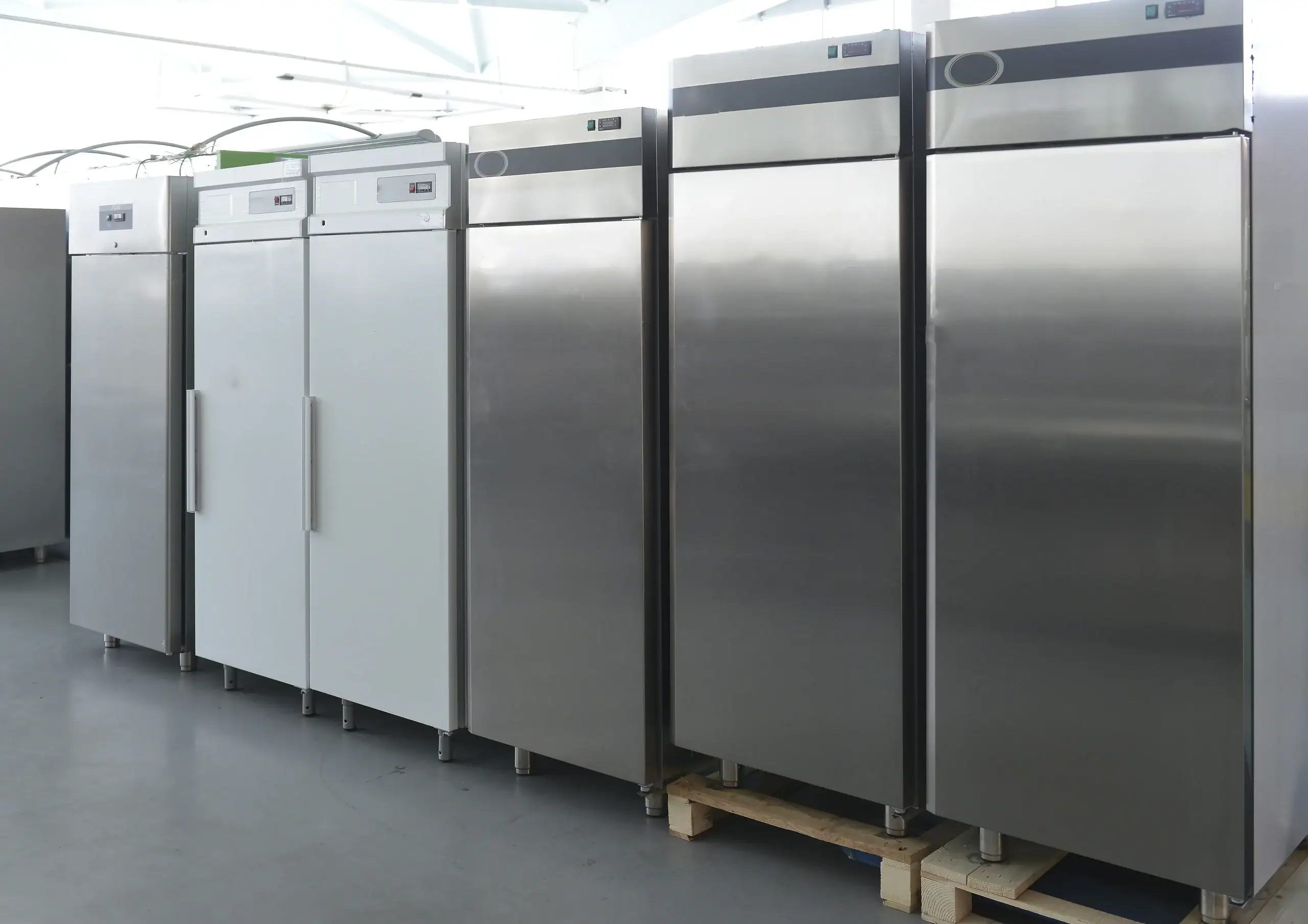
A direct draw system is exactly what it sounds like. The keg sits in a refrigerated cabinet directly below or right next to the tap, and the beer travels only a short distance — usually just a few feet — from the keg to the faucet. Because the line is so short and the keg is already cold, you don’t need any additional cooling along the way.
This is the standard setup for single-tap bars, small venues, and anywhere the keg storage is essentially right behind the bar. It’s straightforward to install, costs less upfront, and works reliably when the conditions are right. The challenge is that it only works well when those conditions are actually met.
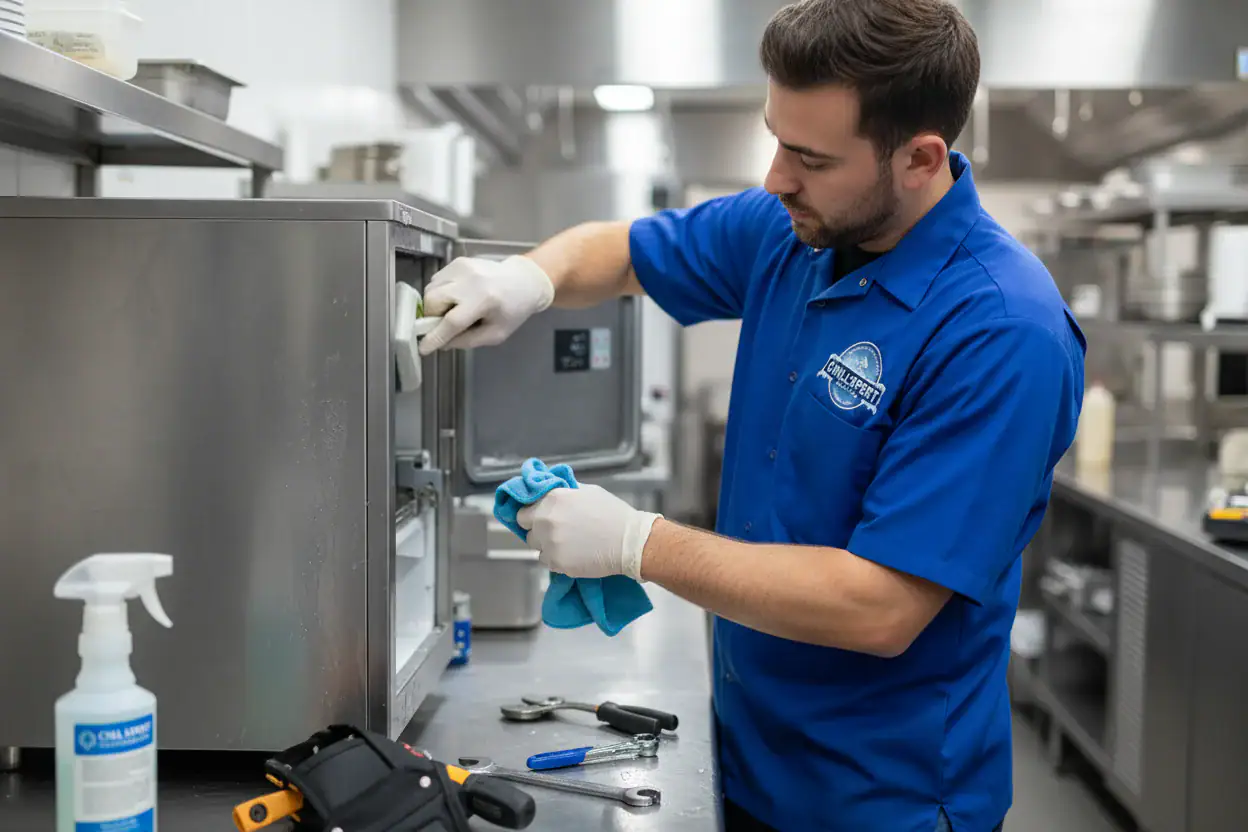
Direct draw is a solid choice when your keg storage is close to your taps — and by close, the industry benchmark is 25 feet or less. Within that distance, a properly refrigerated cabinet can keep the beer cold enough through the entire line run without any additional cooling system. You get consistent pours, manageable maintenance, and a simpler setup overall.
For a small neighborhood bar in Garden City or a single-tap handle at a deli counter in Hempstead, direct draw is often the right call. You’re not running lines through walls or across a catering hall — you’re pouring from a keg that’s three feet away. That setup doesn’t need a glycol system, and adding one wouldn’t improve your pours.
Where direct draw starts to break down is when the distance grows. If your walk-in cooler is in the back of the house, or you’re running taps at a satellite bar away from the main cooler, the beer has to travel farther than a refrigerated cabinet can reliably handle. The line warms up. CO2 comes out of solution. You get foam. That’s not a pressure problem — it’s a physics problem, and adjusting your regulator won’t fix it.
The other limitation is scalability. Direct draw systems are generally designed around a fixed number of taps in a fixed location. If you’re planning to expand your tap list, add a second bar area, or serve a large event space, you’ll hit the ceiling of what direct draw can do fairly quickly. That’s when the conversation shifts to a glycol chiller beer system.
It’s also worth noting that Nassau County summers put additional stress on any draft system. When ambient temperatures in your bar or back-of-house area climb, a direct draw cabinet has to work harder to maintain temperature. A system that pours perfectly in February can start producing warm, foamy beer by the time Memorial Day weekend hits — not because anything broke, but because the thermal load changed.
If a 16-ounce pour yields four ounces of foam that gets dumped, you’ve lost 25% of that pint before it ever reached a customer. Multiply that across a busy Saturday night at a waterfront bar in Long Beach or a catering hall in Massapequa, and you’re looking at a meaningful amount of product going down the drain — every single shift. That’s not a minor inconvenience. It’s a margin problem.
Beyond product loss, there’s the customer experience side. Guests notice when their beer is slightly warm or the head is off. In a competitive dining market like Nassau County, where people have no shortage of options, a consistently mediocre draft pour is the kind of thing that quietly costs you repeat business.
Then there’s the maintenance spiral. Bar owners who have the wrong system installed often spend months calling technicians, adjusting CO2 pressure, and replacing parts — none of which addresses the actual issue. A general HVAC contractor who isn’t specifically trained in draft beer systems may look at your setup, make adjustments, and leave without ever identifying that the root cause is a cooling problem, not a mechanical one. That’s a frustrating and expensive cycle to be stuck in.
Getting the system right from the start — or diagnosing and correcting an existing one — is almost always cheaper than the ongoing cost of managing a setup that isn’t suited to your space. The 25-foot rule isn’t arbitrary. It’s where the physics of beer cooling actually changes, and ignoring it has real consequences.
Want live answers?
Connect with a Chill Xpert Solutions expert for fast, friendly support.
A glycol chiller beer system solves the distance problem that direct draw can’t. Instead of relying on a refrigerated cabinet near the tap, a glycol chiller circulates cold liquid through insulated lines that run alongside the beer lines all the way from the walk-in cooler to the faucet. The beer stays cold for the entire journey — whether that’s 30 feet or several hundred.
The liquid doing the cooling is food-grade propylene glycol mixed with water, typically at a 35–40% concentration. It’s non-toxic, FDA-approved for food applications, and it never actually contacts the beer — it runs in a separate closed loop inside the same insulated trunk line. The glycol bath in the chiller unit is maintained at 29–32°F, which keeps the beer lines cold enough to deliver a consistent pour at the tap, right around 36–38°F where it should be.
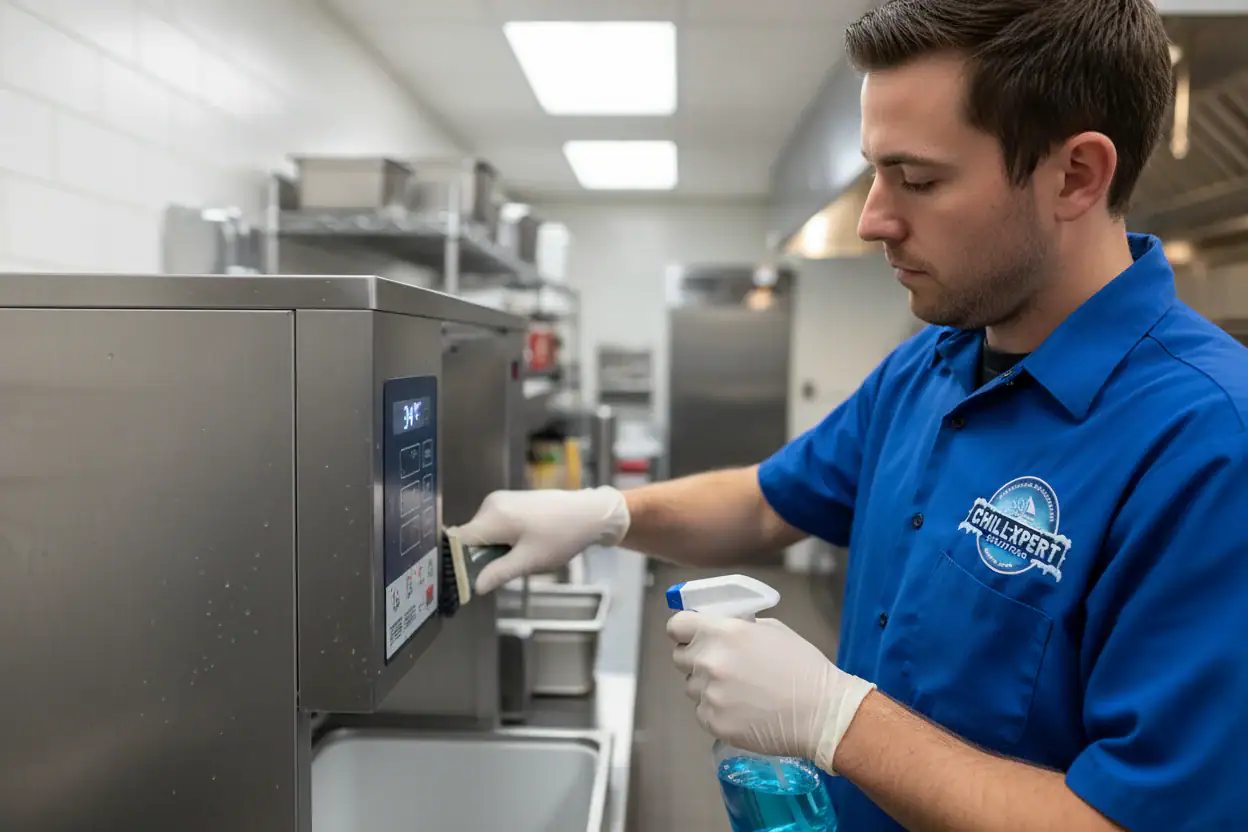
For most bars and restaurants in Nassau County with more than a handful of taps — or any setup where the keg storage isn’t right behind the bar — a glycol system isn’t a luxury. It’s the correct tool for the job.
Think about the layout of a typical Long Island catering hall. The walk-in cooler might be 60, 80, even 100 feet from the bar. A direct draw system can’t bridge that distance and maintain proper temperature. Without a glycol system, you’re either moving the cooler (not realistic) or accepting warm, foamy beer at every event. For a venue that’s pouring draft beer at weddings and corporate events throughout the year, that’s not acceptable.
The same applies to the waterfront bars along Freeport’s Nautical Mile or the multi-tap gastropubs that have become a staple of Nassau County’s dining scene. These aren’t small operations with one keg under the bar. They’re running multiple products, serving high volumes, and doing it in environments that put real stress on refrigeration equipment. A glycol system handles all of that — and it does it consistently, as long as it’s properly installed and maintained.
There’s also a salt air factor that doesn’t come up in most draft beer guides, but it matters here. Coastal Nassau County venues — Long Beach, Oyster Bay, Freeport — operate in environments where salt air accelerates corrosion on refrigeration components. That affects the chiller unit, the pump, and any exposed fittings in the system. A technician who understands marine refrigeration environments, not just standard commercial HVAC, knows how to spec and maintain a glycol system in those conditions. It’s a detail that makes a real difference in how long the equipment lasts and how reliably it performs.
Glycol systems are also scalable in a way that direct draw simply isn’t. Trunk lines can be engineered to handle multiple products, reach satellite bar areas, and serve different dispensing points from a single walk-in cooler. If your business grows, your glycol system can grow with it.
A glycol beer system is not a set-it-and-forget-it installation. That’s not a limitation — it’s just the reality of any precision cooling system. The good news is that the maintenance isn’t complicated when you know what to check and how often.
The glycol concentration needs to be tested periodically. Over time, the mixture can degrade or become diluted, and if the concentration drops below the effective range, the system loses cooling efficiency. Too concentrated, and you risk damaging the pump seals. The target is 35–40% propylene glycol by volume, and a simple refractometer check confirms whether you’re in range. This isn’t something you need to do weekly, but it should be part of your regular service schedule.
The glycol bath temperature is the other key number to watch. If it’s creeping above 32°F, or if you’re seeing ice forming in the bath, something is off — either with the chiller unit, the pump, or the glycol concentration. Both conditions affect beer temperature at the tap, and both are easy to catch early with routine monitoring.
Beer line cleaning is a separate but related requirement. The Brewers Association recommends cleaning draft lines every two weeks. This isn’t about the glycol system specifically — it’s about the beer lines themselves. Neglecting line cleaning affects flavor and product quality regardless of how well your cooling system is performing.
One thing worth saying plainly: a general HVAC technician is not the right person to service a glycol beer system. The food-grade glycol requirement, the temperature calibration, the pressure balancing across multiple lines — these are specific skills that come from working on these systems regularly. We’ve seen plenty of situations where a bar owner called their regular HVAC contractor, got a bill, and still had the same problem a week later. It’s not that those technicians aren’t good at what they do — it’s that glycol beer systems are a different discipline.
For Nassau County bar owners, the summer season is the highest-risk period for draft system problems. When ambient temperatures climb and volume spikes from Memorial Day through Labor Day, a system that’s been running on degraded glycol or a marginal pump will make itself known — usually at the worst possible time. Getting a pre-season check done in the spring is one of the simplest ways to protect your busiest months.
The direct draw vs. glycol decision comes down to one thing more than anything else: distance. If your keg storage is within 25 feet of your taps and you’re running a modest setup, direct draw works. Beyond that threshold — or if you’re managing multiple taps, a large venue, or a long-draw layout — a glycol system is the right answer, not an upgrade.
Getting that decision right from the start saves you from the product loss, the maintenance cycles, and the frustrating calls to technicians who can’t quite figure out why the beer is still foamy.
If you’re not sure which setup is right for your space, or you’re dealing with a system that isn’t performing the way it should, we at Chill Xpert Solutions work with bars, restaurants, and catering halls across Nassau County on exactly this kind of problem. We offer free estimates and genuine 24/7 availability — so whether you’re planning a new install or troubleshooting something that’s been off all summer, you’re not stuck waiting until Monday.
Article details:
Share:
Continue learning: