Discover the recommended service intervals for commercial refrigeration equipment based on your business type and usage patterns.
Share:

Summary:
Not every business needs the same maintenance schedule. A busy Long Island restaurant serving 300 covers nightly puts different demands on their walk-in cooler than a small deli making sandwiches for lunch customers.
“Do your PM quarterly if you can,” says industry expert Danny Koontz. “Many people will skip PM as a cost-cutting measure. But you need at least two or three visits per year.” The key is matching your maintenance frequency to your actual usage patterns and operating environment.
We recommend professional maintenance twice yearly for most businesses, but high-volume restaurants need quarterly service. This isn’t arbitrary—it’s based on how hard your equipment works and how much you stand to lose if it fails.
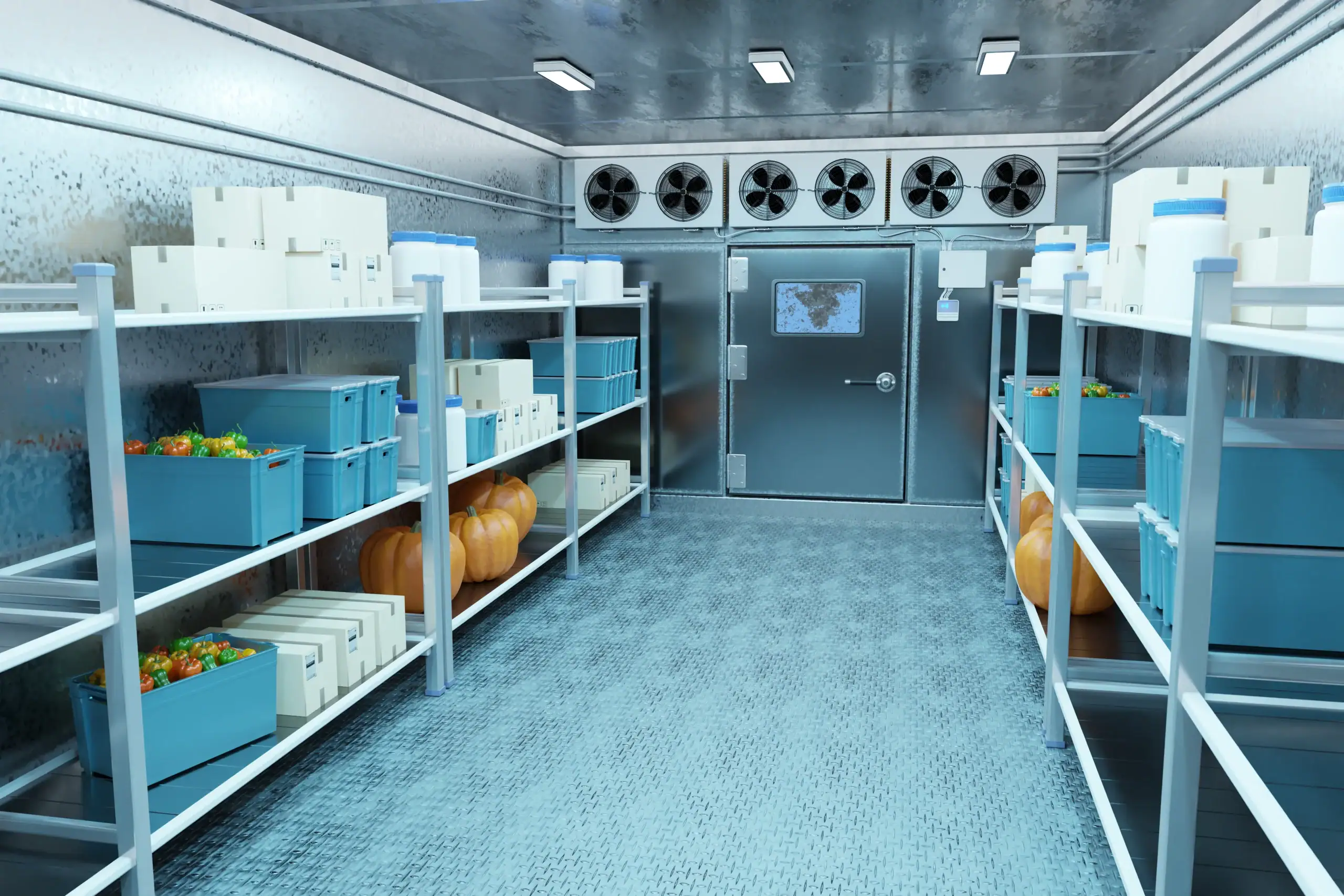
Restaurants, especially busy ones across Nassau and Suffolk County, put commercial refrigeration equipment through intense daily use. Multiple door openings, constant temperature fluctuations from cooking equipment, and the sheer volume of food storage create demanding conditions.
Walk-in coolers need monthly checks for seal integrity and coil cleaning, with quarterly professional service. This frequent attention prevents the small problems that turn into expensive disasters during your busiest service periods.
High-volume operations benefit from quarterly maintenance because restaurant environments are particularly harsh on refrigeration equipment. Grease from cooking areas gets pulled into condenser coils, frequent door openings stress compressors, and the constant demand means there’s no downtime for equipment to “rest.”
Dirty coils reduce cooling efficiency by up to 30% and make compressors work harder, leading to overheating and premature failure. In a restaurant setting where equipment runs constantly, this efficiency loss compounds quickly.
The quarterly schedule also aligns with seasonal demands. Spring maintenance prepares equipment for summer heat, while fall service ensures reliable operation through holiday rushes. Summer and winter check-ups catch problems before they worsen during peak usage periods.
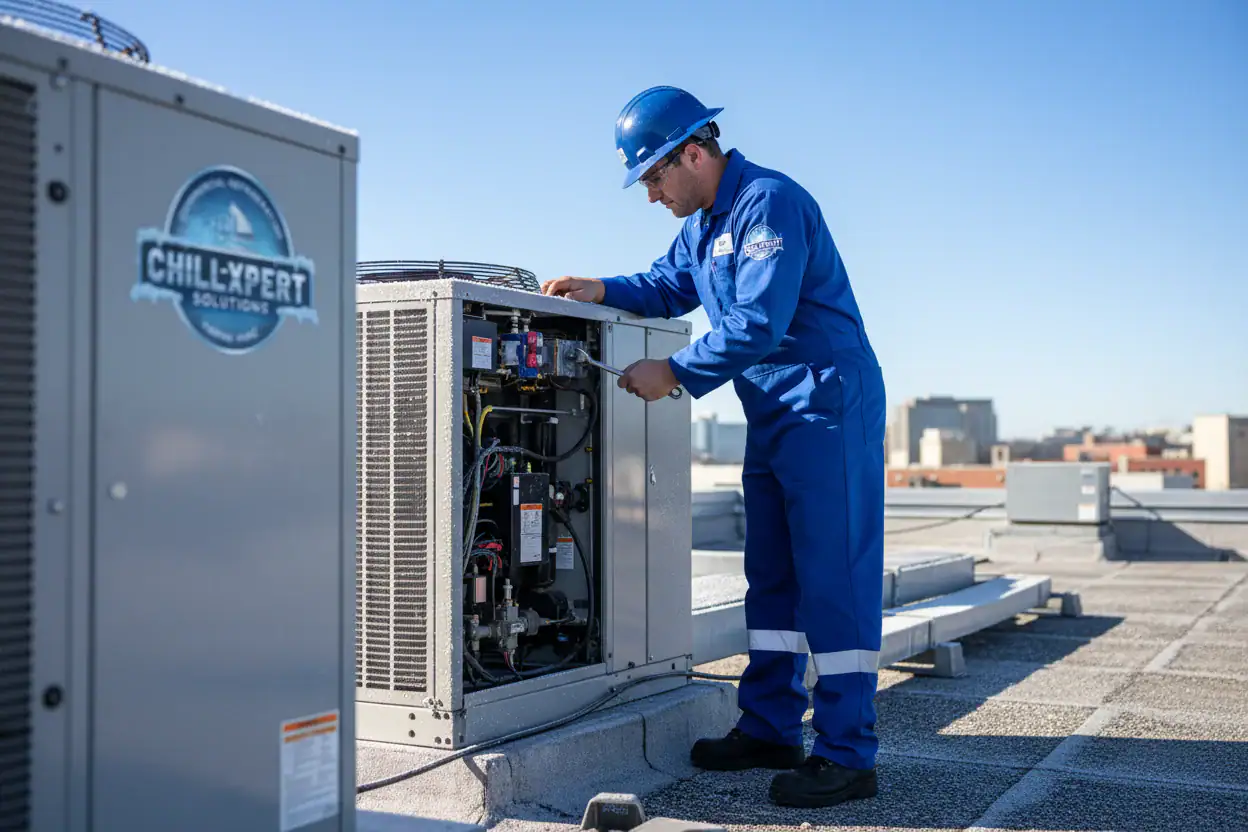
Professional quarterly service typically includes condenser and evaporator coil cleaning, refrigerant level checks, door seal inspection, temperature calibration, and electrical connection testing. This comprehensive approach catches issues before they cause service interruptions during critical business hours.
Delis, cafes, convenience stores, and smaller retail operations can often manage with less frequent professional maintenance, but they still need consistent attention to prevent costly breakdowns.
Most manufacturers recommend some form of service or inspection monthly, quarterly, and annually, depending on the component. For smaller operations, this might mean monthly staff inspections with professional service twice yearly.
The key difference is usage intensity. A deli that’s open 12 hours daily with moderate refrigeration demands can stretch maintenance intervals compared to a 24/7 restaurant operation. However, this doesn’t mean maintenance becomes optional—it just means the schedule can be adjusted.
Twice-yearly professional service works well for smaller operations when combined with monthly staff maintenance tasks. Staff can handle basic cleaning, temperature monitoring, and visual inspections, while professionals handle technical components like refrigerant levels and electrical systems.
Even with reduced frequency, timing matters. Schedule professional service before your busy seasons—spring maintenance before summer heat and fall service before holiday rushes. This ensures equipment performs reliably when you need it most.
Most businesses skip maintenance until something breaks, then spend thousands on emergency repairs that could’ve been prevented with regular service calls. Our maintenance customers save money through fewer emergency repairs and lower energy costs from efficient operation.
The cost difference is significant. Regular maintenance visits cost a few hundred dollars, while emergency repairs during peak business hours can easily run into thousands—not counting lost revenue from spoiled inventory and business disruption.
Want live answers?
Connect with a Chill Xpert Solutions expert for fast, friendly support.
Several factors can push your maintenance needs beyond standard schedules. Understanding these helps you adjust your service frequency to match your specific operating conditions.
Long Island’s climate is tough on refrigeration equipment. Summer heat makes compressors work harder, winter cold affects door seals, and constant humidity changes stress the entire system. Coastal locations face additional challenges from salt air that accelerates corrosion.
Equipment age also matters. Older systems need more frequent attention as components wear and efficiency decreases. A 10-year-old walk-in cooler might need quarterly service even in a moderate-use environment.
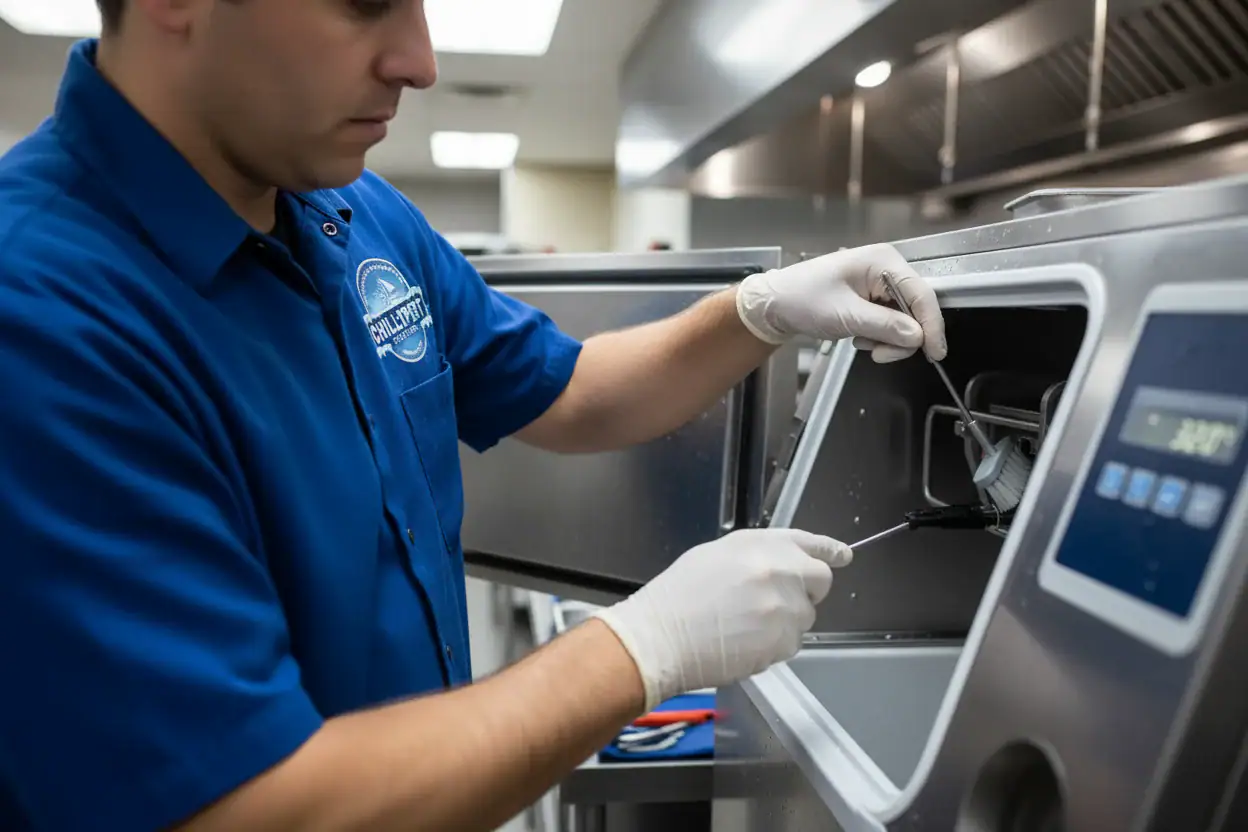
Your operating environment significantly impacts maintenance needs. Restaurants with heavy grease production, locations near construction sites with excessive dust, or facilities with poor ventilation all stress refrigeration equipment beyond normal parameters.
Experts recommend cleaning condenser coils at least every three months, with frequency increasing in environments with more dust or grease. Kitchen environments particularly challenge refrigeration systems because airborne grease gets pulled into condenser coils, reducing efficiency rapidly.
High-traffic locations also increase maintenance needs. Every door opening introduces warm, humid air that forces the system to work harder. Busy restaurants, convenience stores with frequent customer traffic, or facilities with poor door discipline need more frequent service.
24/7 operations create unique challenges. Equipment that never gets downtime accumulates wear differently than systems that cycle off during closed hours. Systems that run continuously or operate in harsh environments like cold storage facilities may require monthly checkups to minimize risks.
Geographic factors matter too. Coastal Long Island businesses deal with salt air that accelerates corrosion on condenser coils and electrical components. Urban locations face different challenges from pollution and temperature variations caused by surrounding buildings.
The solution isn’t necessarily more frequent professional service—sometimes it’s adjusting staff maintenance tasks. More frequent coil cleaning, better door discipline training, or improved ventilation can reduce the need for emergency repairs without increasing service costs.
Your equipment tells you when current maintenance schedules aren’t sufficient. Recognizing these warning signs helps you adjust service frequency before problems become emergencies.
Low ice production, unusual noises, cloudy or misshapen ice, and water leaks all signal developing problems. If machines are cycling frequently, taking longer to make ice, or producing ice with strange tastes or odors, these symptoms often indicate water system issues, refrigeration problems, or component wear that worsens quickly without professional intervention.
Temperature fluctuations are another red flag. If your walk-in cooler struggles to maintain consistent temperatures, especially during busy periods, it’s working too hard. This usually means maintenance intervals need shortening or operating conditions need improvement.
Energy bill increases without corresponding business growth often indicate declining equipment efficiency. Dirty coils make compressors work 40% harder and fail years earlier. When efficiency drops, more frequent maintenance becomes cost-effective compared to higher energy costs and premature equipment replacement.
Frequent minor repairs also signal inadequate maintenance frequency. If you’re calling for service between scheduled maintenance visits, the schedule probably needs adjustment. Regular maintenance can reduce commercial refrigeration breakdowns by up to 90% when properly scheduled.
Staff complaints about equipment performance shouldn’t be ignored. Kitchen teams know when refrigeration isn’t keeping up with demands. Their feedback often provides early warning about developing problems that haven’t yet caused obvious failures.
The goal is catching problems during scheduled maintenance rather than discovering them during service interruptions. Adjusting maintenance frequency based on equipment performance keeps you ahead of problems rather than constantly reacting to them.
The right maintenance schedule balances cost, convenience, and equipment protection. Start with manufacturer recommendations, then adjust based on your specific operating conditions and usage patterns.
Our maintenance customers routinely get 15+ years from their equipment because we catch small problems before they become expensive failures. The upfront cost of maintenance is nothing compared to replacing a walk-in cooler five years early. This long-term perspective helps justify appropriate service frequency.
Consider seasonal scheduling that aligns with your business cycles. Spring maintenance prepares equipment for summer demands, while fall service ensures reliable operation through busy holiday periods. This timing prevents equipment failures during your most profitable seasons.
For Long Island businesses dealing with challenging coastal conditions and demanding restaurant environments, partnering with experienced commercial refrigeration specialists like us at Chill Xpert Solutions ensures your maintenance schedule matches your actual needs. Professional guidance helps optimize service frequency for maximum equipment life and minimum business disruption.
Article details:
Share:
Continue learning: