Ice makers fail in predictable ways. Here's how to diagnose what's wrong — and figure out whether you need a repair tech or a new unit.
Share:
Summary:
Something’s off. The ice maker is running — you can hear it — but the bin is empty, the cubes are coming out the size of Tic Tacs, or the ice tastes like the inside of a freezer bag. You’ve already checked the obvious things. Now you’re wondering whether this is a $50 fix or a $500 headache.
The good news is that most ice maker problems follow a pattern. Once you understand what’s actually happening inside the machine, the symptoms start making sense — and you can make a smarter call about what to do next. Here’s what you need to know.
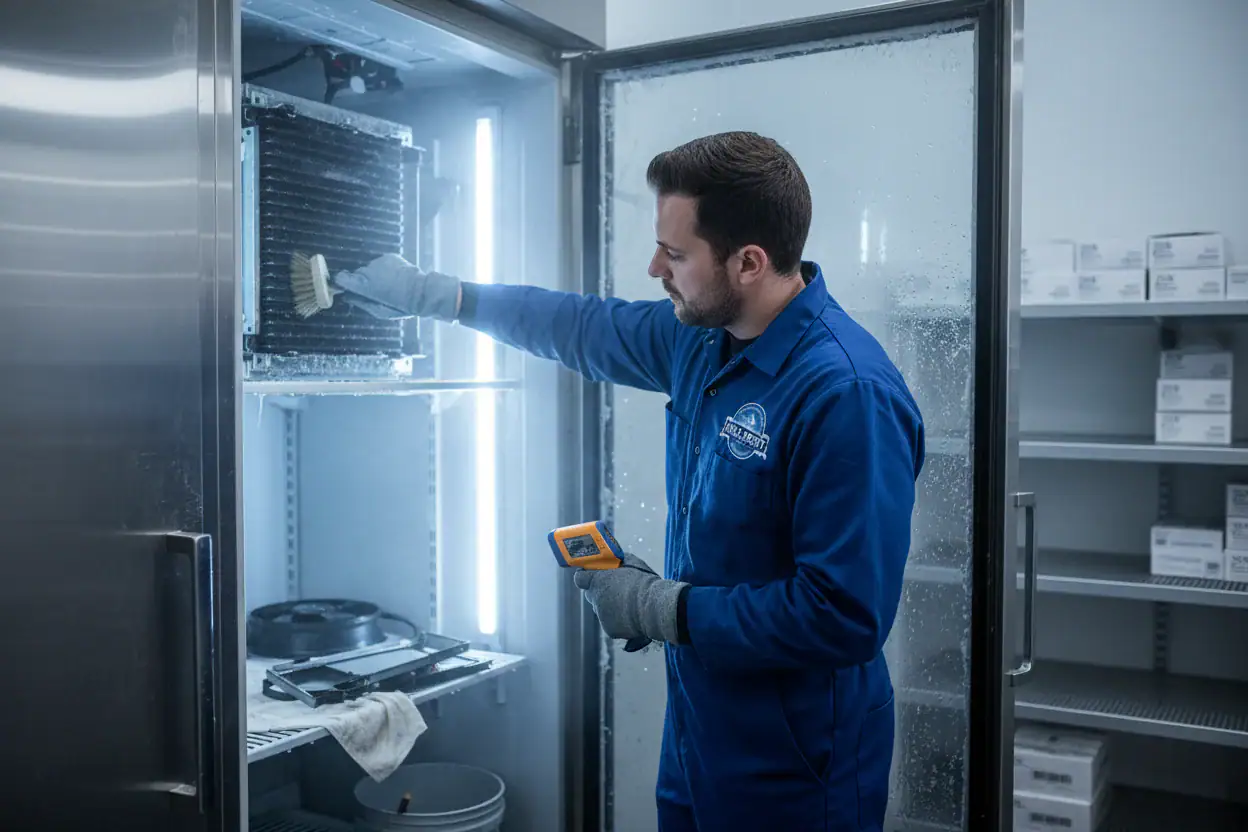
Ice makers are more mechanical than most people realize. Water flows in, gets frozen around a mold, gets heated just enough to release the cubes, and then gets dumped into the bin — all on a timed cycle. When any one part of that sequence fails, the whole process stops or goes wrong.
The most common culprits in a refrigerator ice maker are the water inlet valve, the water supply line, the thermostat, and the ice mold itself. Each one fails in its own way, and each failure produces a different symptom. That’s actually useful — because if you know what you’re looking at, you can often narrow down the problem before anyone shows up at your door.
This is the most common complaint, and it has more than one answer. The freezer temperature is the first thing worth checking — your freezer needs to stay between 0°F and 5°F for the ice maker to run properly. Above 15°F, the unit won’t produce ice efficiently, and it may stop altogether. If the freezer feels warm or the compressor seems to be running constantly, the ice maker problem might actually be a refrigerator problem.
If the temperature checks out, the next likely cause is the water inlet valve. This valve opens to let water into the ice mold, and it requires at least 20 psi of water pressure to function. A valve that’s worn out, clogged with mineral buildup, or receiving low pressure simply won’t open fully — and no water means no ice. In Nassau County, where hard water is common across most communities, mineral deposits are a frequent culprit. Replacing this valve is one of the more straightforward ice maker repairs, but it does require shutting off the water supply and working around electrical connections, which is where a lot of DIY attempts go sideways.
A frozen water supply line is another common culprit, especially in homes where the refrigerator sits against an exterior wall or in a space that gets cold. When the line freezes, water can’t reach the mold at all. You might be able to thaw it yourself with a hair dryer on a low setting, but if it keeps freezing, there’s usually an underlying cause — a kinked line, poor insulation, or a water valve that’s not closing completely and allowing a slow drip to freeze in place.
One thing worth knowing: if you’ve been tinkering with the unit and the ice maker still isn’t working, check the bail arm. That’s the wire or plastic arm that sits above the ice bin. When the bin is full, it flips up and signals the machine to stop. If it got bumped into the “off” position during cleaning or a freezer reorganization, the ice maker will sit there doing nothing — and it’s an easy thing to miss.
If the ice maker is producing ice but the results are off — cubes that are too small, hollow in the middle, or taste strange — that’s a different set of problems, and they’re worth taking seriously.
Small or misshapen cubes usually point to a water flow issue. If the inlet valve isn’t opening fully, or if water pressure is low, the mold doesn’t fill completely before the freeze cycle starts. The result is cubes that are undersized or have irregular shapes. Mineral buildup inside the valve or along the water line is a common cause, especially across Nassau County where hard water affects most residential and commercial systems.
Hollow cubes often indicate a temperature problem. If the freezer is running slightly warm — even a few degrees above the ideal range — the outer shell of the cube freezes first while the center stays liquid, and then the water drains away before it can fully freeze. The cube looks intact but collapses when you handle it.
Bad-tasting or foul-smelling ice is something people tend to blame on the water filter, and sometimes that’s right. A filter that hasn’t been changed in over six months can stop doing its job, and the taste reflects it. But if you’ve recently changed the filter and the problem persists, look at the ice bin itself. Odors from uncovered food in the freezer migrate into ice faster than most people expect, and mold or bacteria can develop in the bin if it isn’t cleaned periodically. For commercial operators — restaurants, delis, catering halls — bad-tasting ice isn’t just unpleasant, it’s a health code concern that needs to be addressed immediately.
Want live answers?
Connect with a Chill Xpert Solutions expert for fast, friendly support.
This is the question most people actually want answered, and there’s a straightforward framework for it. If the repair cost is less than 50% of what a comparable new unit would cost, repair is almost always the right call — especially if the machine is less than five years old and hasn’t had a history of recurring problems.
Where it gets complicated is when you’re dealing with an older unit that has needed multiple repairs, or when the failure involves a major component like the compressor or the control board. At that point, putting money into the machine starts to feel like a gamble. Our technicians will tell you honestly where things stand before any work begins.
Some ice maker issues are genuinely DIY-friendly. Checking the bail arm, replacing the water filter, thawing a mildly frozen supply line, or cleaning the ice bin — none of those require a technician. If you’re comfortable doing basic appliance maintenance, these are reasonable starting points.
The line gets crossed when the repair involves the water inlet valve, the ice maker module, the thermostat, the defrost system, or anything connected to the refrigerant circuit. Ice makers combine water and electricity in close proximity, and a mistake during a repair can create a safety hazard, cause water damage, or turn a $150 valve replacement into a much larger problem.
There’s also the warranty angle. Most manufacturers will only honor warranty coverage on work performed by a licensed professional. If your machine is still under warranty and a general handyperson attempts the repair, you may be voiding your coverage without realizing it. That’s a costly mistake on a newer or higher-end unit.
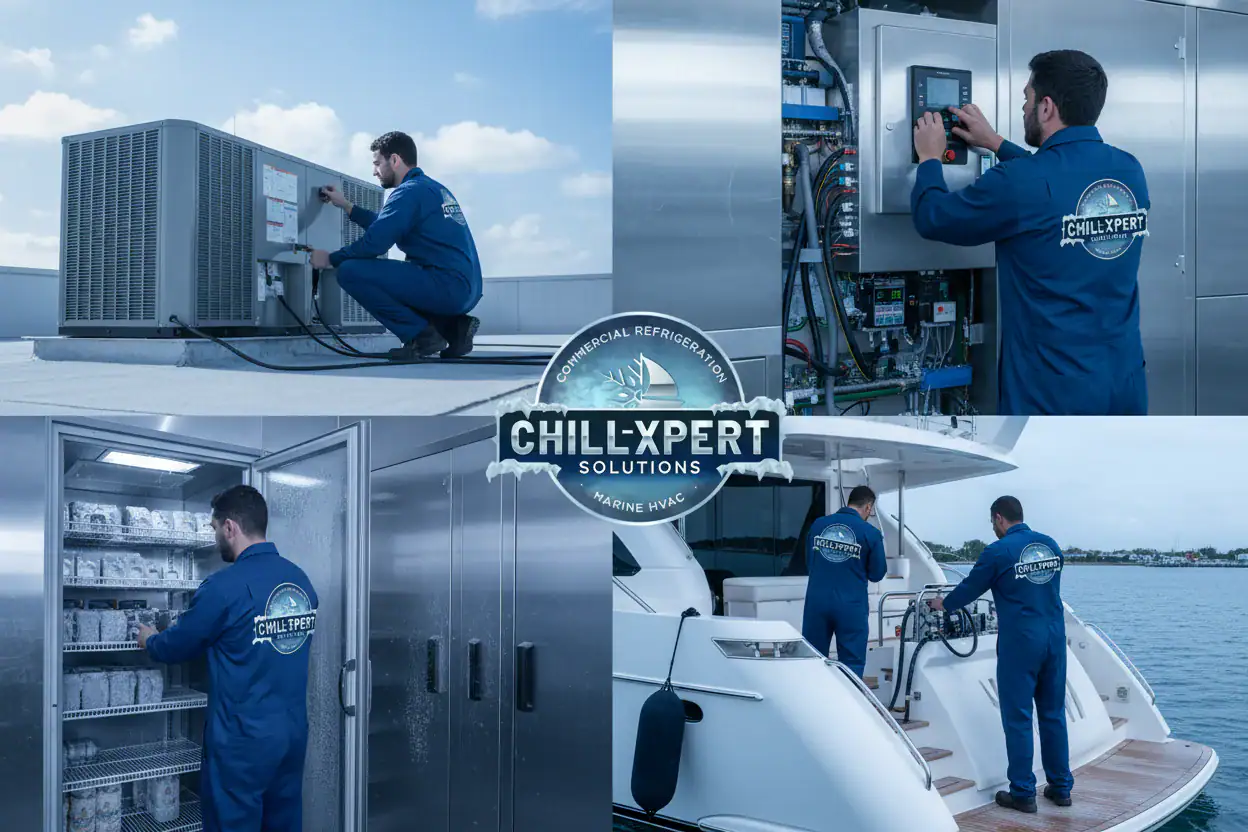
For commercial operators in Nassau County, NY — whether you’re running a restaurant on Hempstead Turnpike, managing a deli in Great Neck, or overseeing a catering hall in Roslyn — the calculus is different entirely. A broken ice machine during a dinner service or a weekend event isn’t an inconvenience. It’s a revenue problem. The question isn’t really whether to call a professional; it’s how fast they can get there and whether they’re carrying the parts to fix it on the first visit.
We keep our trucks stocked with components for major refrigeration brands, which means we resolve roughly 70% of commercial ice machine calls on the first visit. When you call our emergency line, you reach a real person — not a voicemail — who can dispatch a technician and walk you through immediate steps while we’re on the way.
Nassau County isn’t a typical suburban market when it comes to refrigeration. The combination of a dense coastal environment, a large hospitality sector, and a serious boating community creates demand for ice machine repair services that most general appliance shops aren’t equipped to handle.
The salt air along the South Shore and the waterways throughout Nassau County are genuinely hard on refrigeration equipment. Corrosion, humidity fluctuations, and temperature swings accelerate wear on components in ways that don’t show up in the standard repair guides written for inland markets. If you’re running a waterfront restaurant in Freeport or a beach club in Long Beach, your equipment is working harder than the same unit would in a different environment — and it needs technicians who understand that.
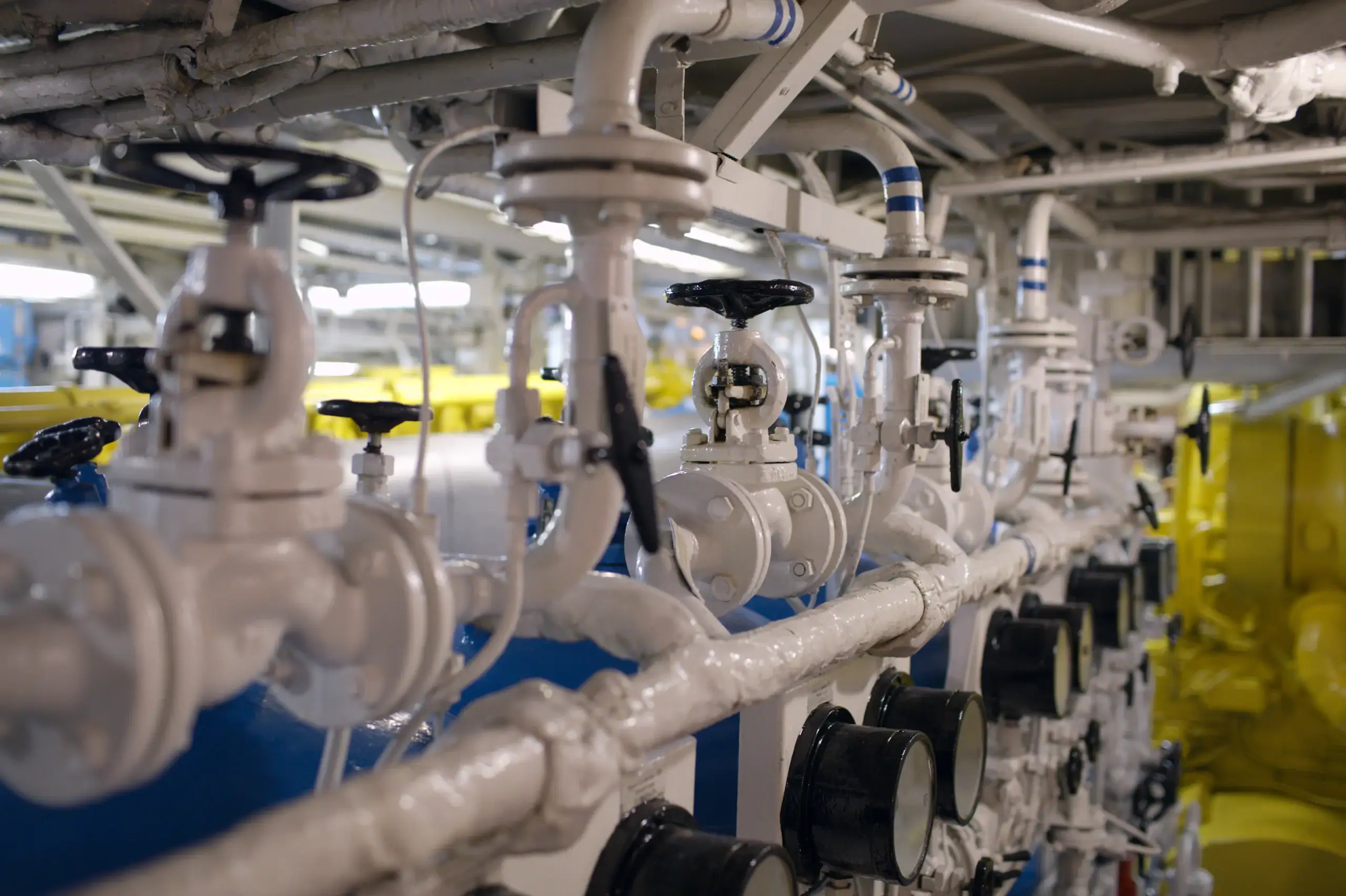
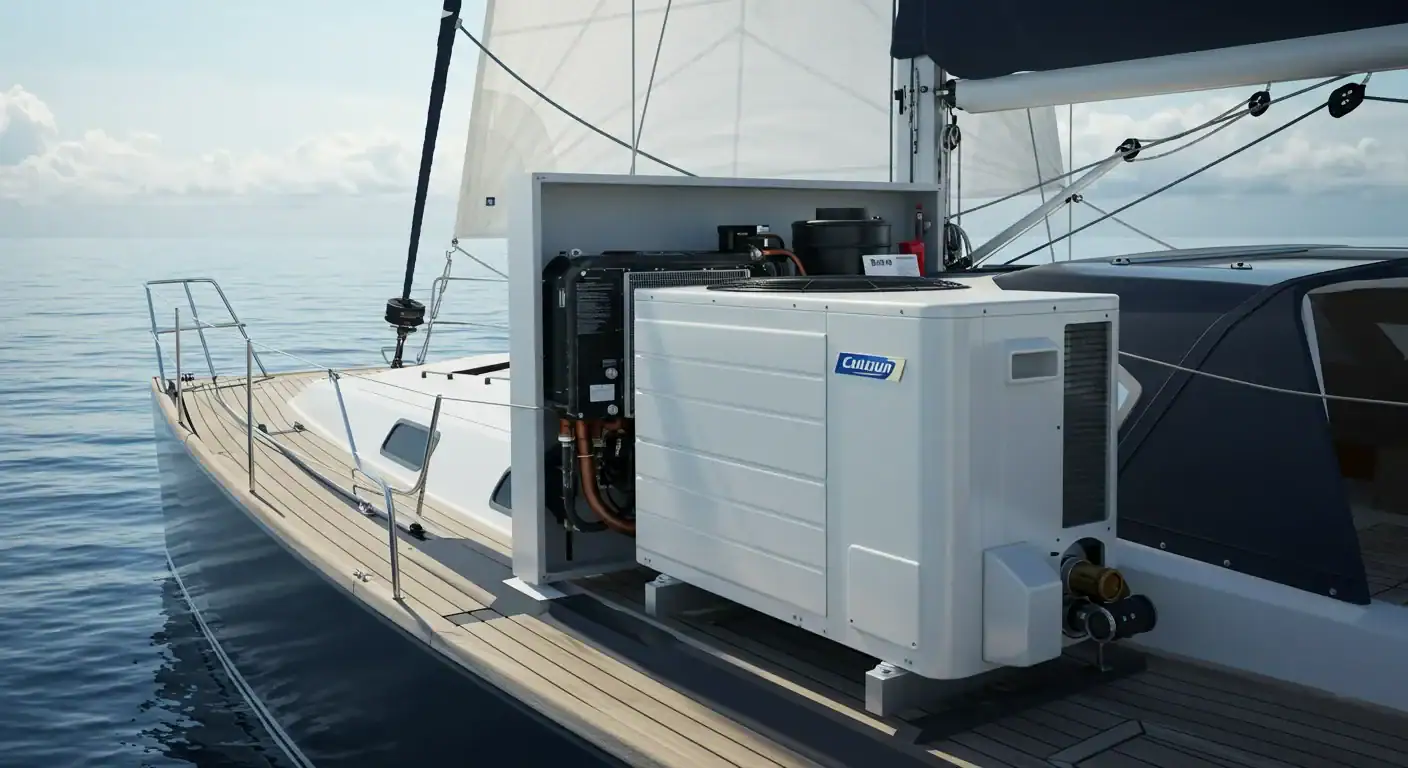
The marine side of this is something we know well. We’ve spent over 40 years working on refrigeration systems aboard vessels throughout Nassau and Suffolk County, from small cabin refrigerators on fishing boats to full galley systems on luxury yachts. Ice makers on boats present their own set of challenges — space constraints, marine-grade component requirements, vibration, and exposure to conditions that would destroy standard residential equipment. Most appliance repair shops won’t touch a boat. We work on them regularly.
Summer is when the pressure peaks. From Memorial Day through Labor Day, Nassau County’s beach communities, yacht clubs, marinas, and waterfront restaurants are running at full capacity — and that’s exactly when ice makers are most likely to fail. High ambient temperatures, continuous operation, and peak demand all converge at the same time. We respond to emergencies across Nassau County in under two hours, and we’re available around the clock because refrigeration failures don’t wait for business hours.
We also provide free estimates and give you a clear picture of the cost before any work begins. No surprises after the fact, no charges that appear out of nowhere. After 40 years in this business, we’ve found that straightforward communication is what actually builds trust.
Most ice maker problems are fixable. The freeze cycle, the harvest cycle, the water supply — when you understand how the system works, the symptoms point you toward the cause. And in most cases, a targeted repair is faster, cheaper, and smarter than replacing the unit outright.
What matters is who’s doing the work. Ice makers — especially commercial units and marine systems — aren’t a job for a generalist. You want someone who carries the right parts, knows the equipment, and will tell you honestly whether repair makes sense before charging you for it.
If you’re in Nassau County and your ice maker is giving you trouble, Chill Xpert Solutions is the call to make. We’re available 24 hours a day, we offer free estimates, and we’ve been doing this work across Long Island for over 40 years.
Article details:
Share:
Continue learning: