October is the month that determines what April looks like on your boat. Here's what proper marine HVAC winterization actually involves — and what skipping it costs.
Share:
Summary:
Every fall, Nassau County boat owners face the same moment: the season’s winding down, the boat’s going into storage or staying dockside, and the to-do list is long. The marine AC system is usually near the bottom of that list — or not on it at all.
That’s where the trouble starts. What you do (or don’t do) with your boat’s HVAC system in October directly determines what you’re dealing with in April. This guide covers what winterization actually involves, what happens when it’s skipped or done wrong, and how to know when you need a certified marine specialist rather than a general contractor or a YouTube tutorial.
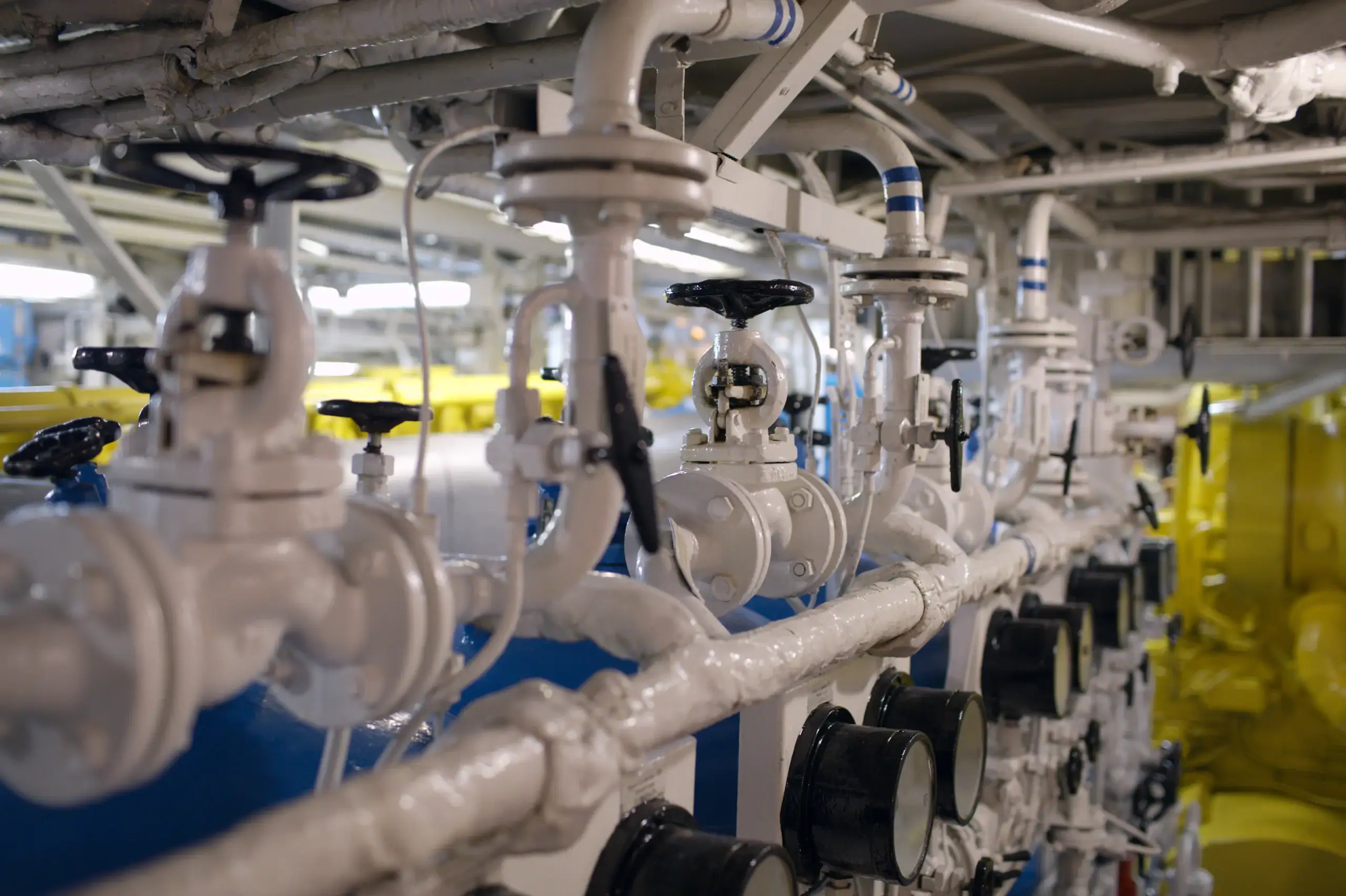
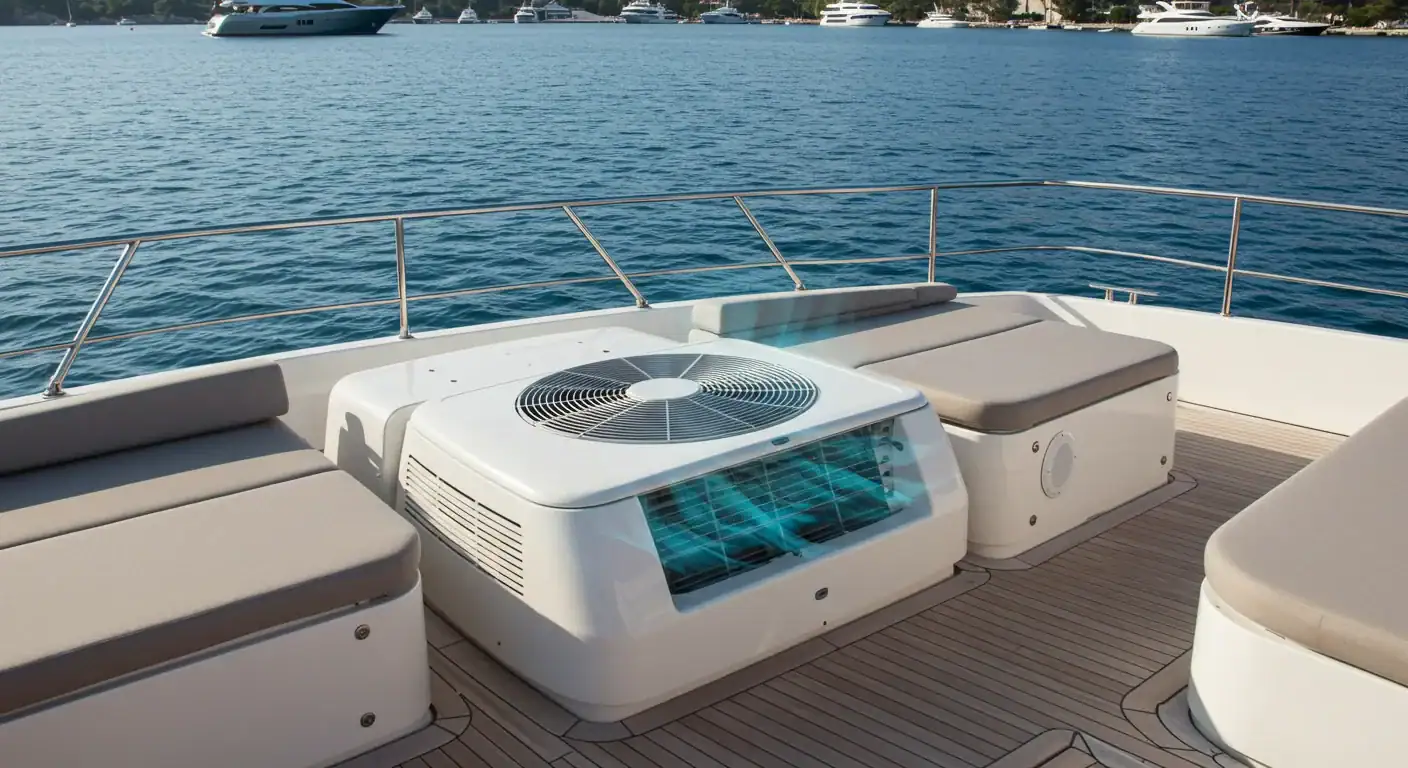
A marine air conditioning system is fundamentally different from anything in your house. Instead of pushing heat into the outside air, it pulls heat from your boat’s interior and transfers it into seawater drawn through the hull. That seawater runs through a heat exchanger, does its job, and gets discharged back overboard. It’s an elegant system — but that raw water loop is exactly what makes winter so dangerous.
When temperatures drop below freezing in Nassau County — and they do, reliably, every winter — any seawater left sitting in that loop can freeze. Water expands when it freezes. Heat exchangers crack. Fittings corrode. Pumps seize. None of this is visible until you fire up the system in spring and realize something’s very wrong.
The damage from skipping winterization isn’t dramatic or immediate — that’s part of what makes it so costly. The boat sits through November, December, January. Everything looks fine from the outside. Then April comes, you flip the switch, and either nothing happens or the system runs but doesn’t cool. A technician comes out and finds a cracked heat exchanger, a seized compressor, or corroded fittings that let water into places it shouldn’t be.
Replacing a seized seawater pump typically runs $600 to $1,200 including parts and labor. A failed compressor — the heart of the system — can cost $2,500 to over $5,000. Major heat exchanger replacement pushes past $3,000. In severe cases, particularly on vessels that have sat through multiple harsh winters without proper service, total repair bills can climb into five figures.
Here’s the part most boat owners don’t expect: many marine insurance policies exclude damage caused by owner negligence. Improper winterization is classified as a preventable loss. That means your claim may be denied entirely, and you’re absorbing the full cost of repairs that a few hundred dollars of proper fall service would have prevented.
There’s also a marina compliance angle worth knowing. Many marinas along the South Shore and throughout Nassau County require winterization as a contractual condition of winter slip or storage — with deadlines typically falling around November 1st. It’s not just a best practice. For a lot of boat owners, it’s a requirement.
Winterization isn’t a single step. It’s a sequence, and the order matters. Here’s what a proper marine HVAC winterization looks like from start to finish.
The process begins with the raw water side of the system. The seacock — the through-hull valve that lets seawater into the system — gets closed, and the strainer is cleaned. From there, the raw water pump is disconnected and the lines are flushed with propylene glycol antifreeze. This is the antifreeze that’s safe for marine systems. Ethylene glycol, the kind used in cars, is toxic and will damage your system. This distinction matters more than most boat owners realize, and it’s one of the places where a DIY approach can go seriously wrong.
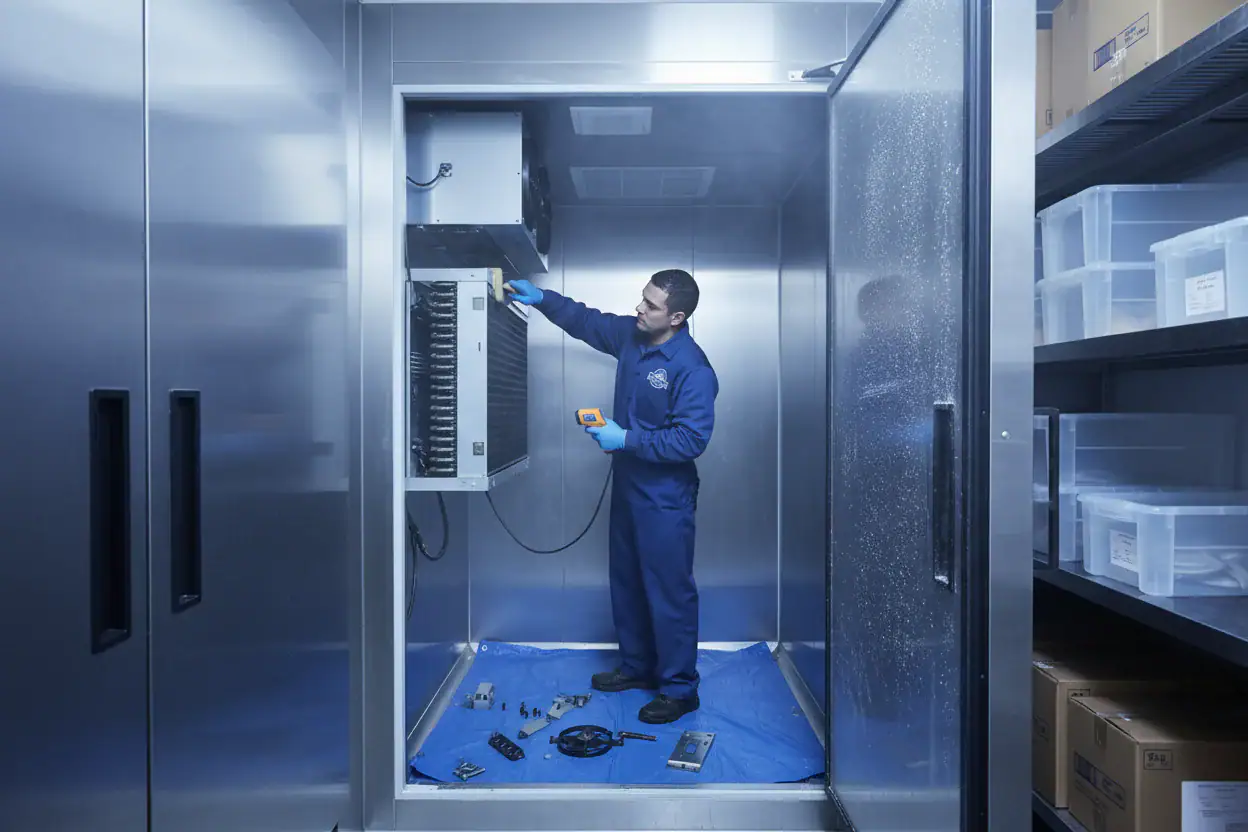
After the raw water side is cleared, the condenser coils get cleaned. Salt, marine growth, and debris accumulate over the season and can reduce system efficiency by 30% or more if left in place. Air filters are removed, cleaned or replaced, and the evaporator components are inspected. Any refrigerant-side concerns — low pressure, signs of leaks, unusual cycling behavior — are noted for immediate follow-up, since refrigerant work requires EPA Section 608 certification and isn’t a DIY task.
What you can reasonably handle yourself: cleaning the sea strainer, closing the seacock, rinsing the exterior components, and swapping air filters. What you shouldn’t attempt without training: flushing the raw water loop with antifreeze, inspecting the heat exchanger for early-stage cracking, diagnosing refrigerant issues, or servicing the compressor. The line isn’t about mechanical ability — it’s about knowing what you’re looking at and what you might miss. A cracked heat exchanger that’s caught early is a manageable repair. One that’s missed and left through another winter is a full replacement.
Compressed air alone is not a reliable winterization method, despite being common advice in boating forums. It can leave water behind that still freezes, and it risks over-pressurizing the system. It’s a shortcut that creates a false sense of security.
Want live answers?
Connect with a Chill Xpert Solutions expert for fast, friendly support.
Nassau County’s coastal environment isn’t forgiving to marine HVAC systems. The salt air off Hempstead Bay, Reynolds Channel, and the South Shore bays accelerates corrosion on electrical components and fittings faster than anything you’d see in a freshwater or inland location. The humidity swings between summer and fall add mechanical stress to seals and connections. And unlike warmer markets where winterization is sometimes debated, Nassau County’s winters make it genuinely non-optional.
This is also a market where a lot of boat owners have tried the general contractor route — and learned the hard way that it doesn’t work. Marine AC systems require a completely different knowledge base than residential or commercial HVAC. A technician who doesn’t know what a sea strainer is, or who reaches for automotive antifreeze because it’s what’s on the truck, isn’t equipped to protect your system.
The credentials that matter most in this space aren’t the same ones you’d look for in a home HVAC technician. ABYC certification — from the American Boat and Yacht Council, the primary standards body for recreational boat safety — is the benchmark for marine-specific HVAC and refrigeration work. EPA Section 608 certification is required for anyone handling refrigerants. Factory authorization for major marine AC brands like Dometic, Cruisair, and Marine Air Systems means the technician has direct access to genuine parts and follows manufacturer-approved procedures — which matters for both repair quality and warranty integrity.
Beyond credentials, the practical questions are just as important. Does the technician stock parts for major marine AC brands, or will you be waiting two weeks for a component to arrive? Can they respond quickly when there’s a marina deadline or a spring startup failure? Do they give you a clear explanation of what they found and what it’ll cost before any work begins?
We’ve been doing this work across Nassau County, Suffolk County, and Long Island for over 40 years — since the 1980s. Britannia Yacht Club trusts us with their fleet. Individual boat owners from Manhasset Bay to the South Shore marinas call us when they need it done right the first time. We carry parts for major marine AC brands on our service vehicles, respond to emergencies in under two hours, and give you a clear estimate before we touch anything.
**When should I winterize my boat’s AC system in Nassau County?**
October is the target month. Most Nassau County marinas require winterization completed by November 1st, so waiting until the last week of October leaves very little room for scheduling. The South Shore communities — Island Park, Woodmere, Freeport, Baldwin Harbor — tend to see high demand for marine HVAC service in mid-October as boat owners prepare for haul-out or winter dockage. Getting on a technician’s schedule early gives you options; waiting until the deadline doesn’t.
**Can I winterize my marine AC myself?**
Some of it, yes. Cleaning the sea strainer, closing the seacock, swapping air filters, and rinsing accessible exterior components are reasonable DIY tasks if you’re comfortable with your boat’s systems. The antifreeze flush of the raw water loop, heat exchanger inspection, and any refrigerant-side work are where you need a certified marine HVAC technician. The risk isn’t just doing it wrong — it’s not knowing what you missed. A technician who’s inspected hundreds of these systems knows what early-stage cracking looks like, what a slightly off-sounding pump means, and what to flag before it becomes a spring repair.
**What if I already missed winterization last fall?**
If you’re reading this in spring and you didn’t winterize properly, don’t turn the system on and hope for the best. Have a marine HVAC technician do a full inspection before you run it. Pressurizing a cracked heat exchanger or running a seized pump can turn a manageable repair into a full replacement. The earlier you catch it, the better the outcome.
**Does Nassau County’s salt air really make that much of a difference?**
It does. The corrosion rate on electrical components and fittings in a South Shore marina environment is meaningfully faster than what you’d see in a freshwater or inland setting. That’s part of why marine-grade components matter — residential-grade substitutes corrode faster, fail sooner, and can void manufacturer warranties. It’s also why annual inspection and cleaning of condenser coils is more important here than in less demanding environments.
The first day back on the water in May should be about the water — not a repair bill. What happens to your marine AC system between October and April is almost entirely determined by what you do before you close up the boat for winter.
Proper winterization isn’t complicated, but it has to be done correctly. The right antifreeze, the right sequence, the right eyes on the heat exchanger and compressor before they sit for four months in Nassau County’s freezing temperatures. That’s the difference between a spring startup that works and one that doesn’t.
If you want it handled by a team that’s been doing this work on Long Island for over 40 years, we’re available 24/7, offer free estimates, and will give you a straight answer about what your system needs before any work begins. Reach out before the October rush — your April self will thank you.
Article details:
Share:
Continue learning: