
Hear from Our Customers
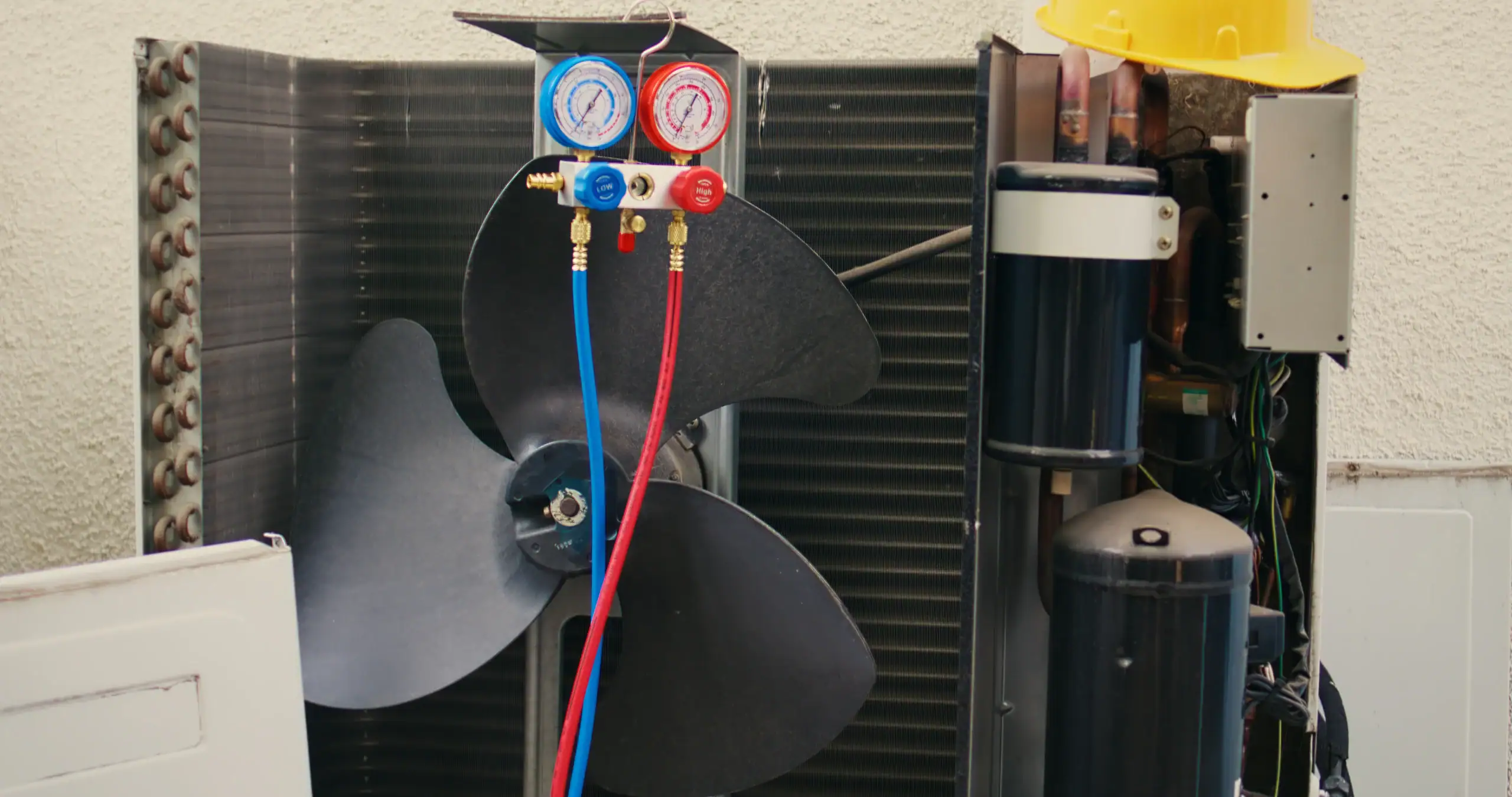
Your galley stays cold when you’re anchored in Oyster Bay during August heat. Your provisions don’t spoil during weekend trips to the Hamptons. Your ice maker actually makes ice instead of strange noises.
That’s what proper marine refrigeration does – it works when you need it, where you need it. No more throwing away expensive provisions because your boat’s cooling system decided to quit during the best boating weekend of the year.
Long Island’s marine environment is brutal on refrigeration equipment. Saltwater, constant humidity changes, and temperature swings from winter storage to summer heat stress every component. Most marine refrigeration fails because it wasn’t designed or installed to handle these conditions properly.
We’ve been solving marine refrigeration problems in Great Neck Gardens and throughout Nassau County for over 40 years. We serve yacht clubs from Montauk to Manhattan, handling everything from small cabin refrigerators to complex galley systems on luxury yachts.
Local boat owners know the frustration of waiting weeks for service calls or dealing with technicians who don’t understand marine environments. We built our reputation by showing up when we say we will and fixing problems that other companies can’t handle.
Our factory-trained technicians understand how saltwater affects refrigeration components, why marine systems need different installation techniques, and how to design cooling solutions that work in tight spaces with limited power.
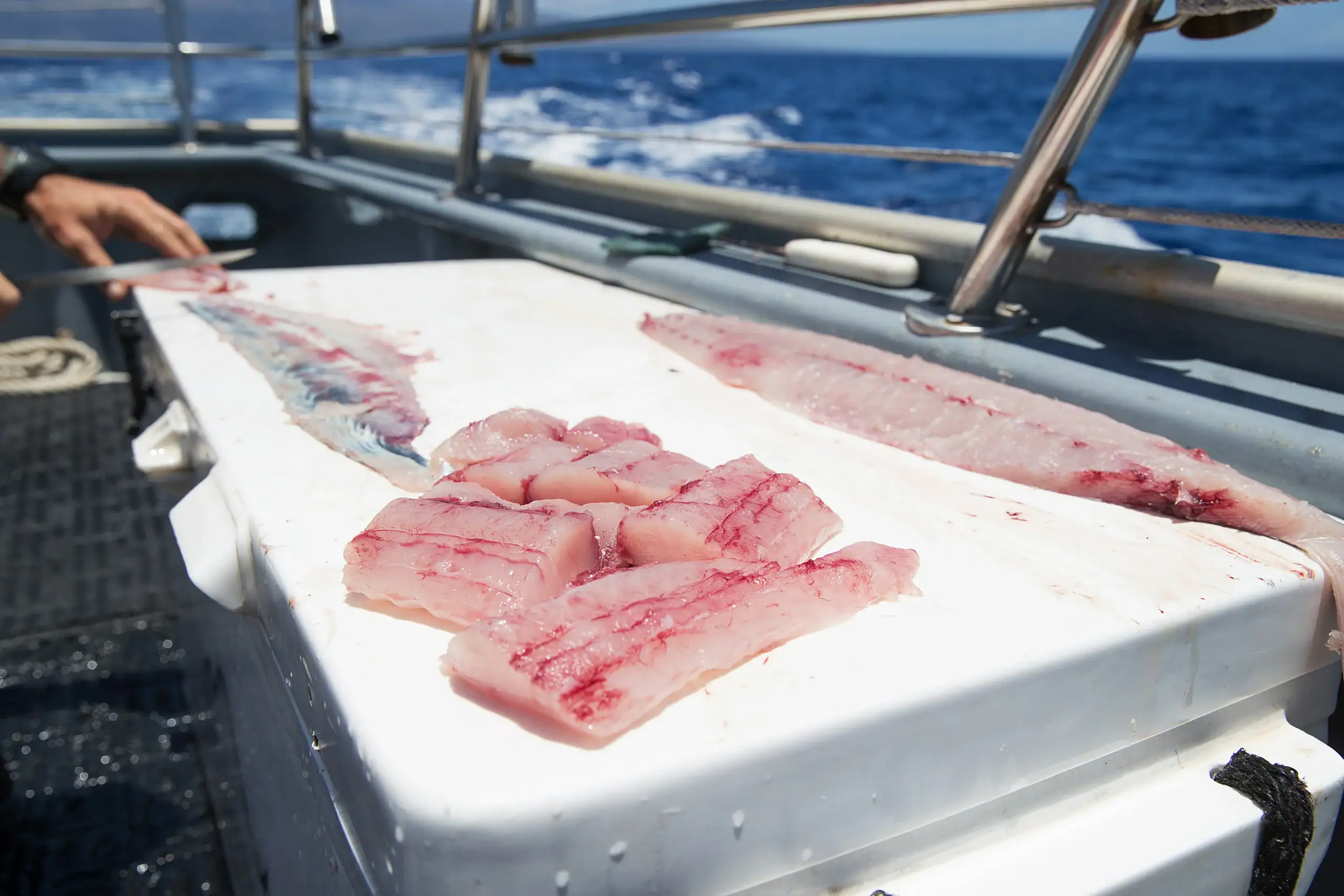
Every marine refrigeration project starts with understanding your boat’s specific needs. We evaluate your current system, power limitations, space constraints, and cooling requirements during a free on-site consultation.
The installation process begins with proper preparation. Marine environments require specialized mounting techniques, corrosion-resistant components, and wiring that can handle moisture and vibration. We install systems designed to handle saltwater exposure and the constant movement of marine environments.
Testing happens before you leave the dock. Every system gets thoroughly tested under actual operating conditions, not just plugged in and turned on. We verify proper refrigerant levels, check all electrical connections, and ensure temperature controls work accurately.
Follow-up service keeps your system running properly. Marine refrigeration needs regular maintenance to handle Long Island’s demanding conditions – summer heat, winter storage, and constant humidity changes that stress refrigeration components year-round.
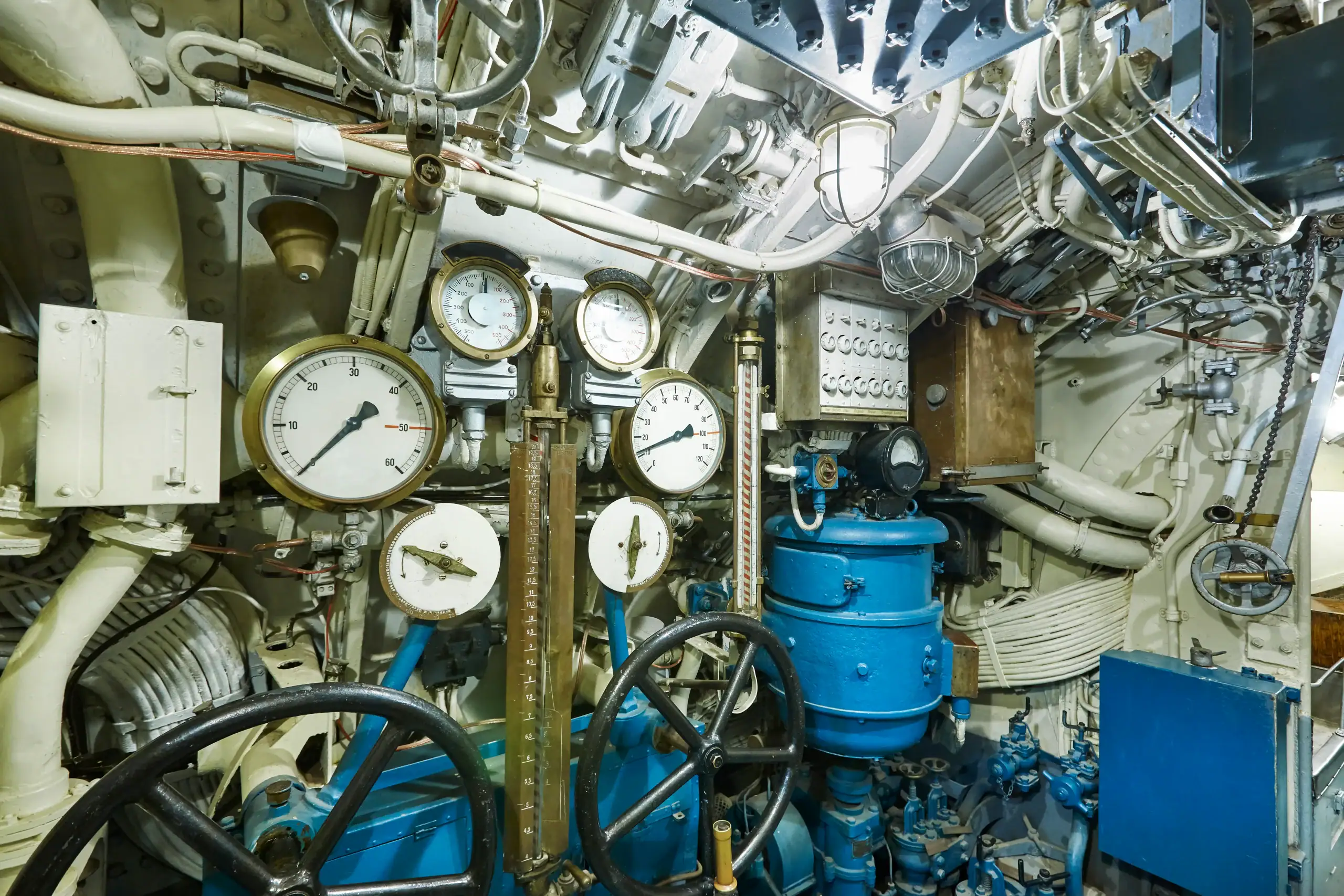
Ready to get started?
We handle every aspect of marine refrigeration and air conditioning for Great Neck Gardens boat owners. Services include new system installations, emergency repairs, routine maintenance, and custom cooling solutions for unique boat configurations.
We specialize in both 12V and 24V DC systems, understanding the power limitations that many boat owners face. Our technicians work with all major marine refrigeration brands and can source hard-to-find parts for older systems.
Great Neck Gardens’ proximity to major boating areas means seasonal demands spike during summer months. We maintain emergency service availability and stock common marine refrigeration components to minimize downtime during peak boating season.
Local boat owners benefit from our relationships with area marinas and yacht clubs. Many marine facilities recommend us because our work lasts and our technicians understand the unique challenges of marine environments.
Quality marine refrigeration systems should last 10-15 years minimum with proper installation and maintenance. The key factors are using marine-grade components designed for saltwater environments and following manufacturer maintenance schedules.
Most marine refrigeration failures happen early due to improper installation or using residential-grade components that can’t handle marine conditions. Saltwater exposure, constant vibration, and humidity changes stress refrigeration systems differently than land-based applications.
Regular maintenance extends system life significantly. This includes cleaning condenser coils, checking refrigerant levels, inspecting electrical connections, and replacing components before they fail completely.
The most common cause is dirty condenser coils that make compressors work harder in summer heat. Marine environments expose coils to salt spray and debris that reduces cooling efficiency and eventually causes compressor failure.
Low refrigerant levels from small leaks also cause problems. Marine systems vibrate constantly, which can loosen fittings and create slow refrigerant leaks that worsen over time. Systems run longer trying to maintain temperature, which overworks the compressor.
Electrical problems from moisture exposure cause intermittent failures that are hard to diagnose. Marine electrical systems need proper sealing and corrosion-resistant connections to handle the humid, salty environment boats operate in.
Yes, we provide on-site service at marinas throughout the Great Neck Gardens area. Our mobile service vehicles carry common marine refrigeration parts and diagnostic equipment needed for dock-side repairs.
Marina repairs are often more convenient than hauling boats to service facilities. Most marine refrigeration problems can be diagnosed and repaired without removing the boat from the water, especially routine maintenance and component replacements.
Emergency service is available during boating season when refrigeration failures can ruin weekend trips. We prioritize marina service calls because boat owners have limited time windows for repairs between trips.
Marine installations require components rated for saltwater exposure and constant vibration. Standard residential refrigeration components fail quickly in marine environments due to corrosion and stress from boat movement.
Power limitations are a major consideration. Boats have limited electrical capacity, so marine refrigeration systems must be designed for maximum efficiency. This often means 12V or 24V DC systems instead of standard AC power.
Space constraints require custom solutions. Boat galleys and storage areas have odd shapes and limited access, so refrigeration components need creative mounting and routing solutions that don’t interfere with other boat systems.
Modern marine refrigeration systems typically draw 3-6 amps when running, but actual power consumption depends on system size, insulation quality, and ambient temperatures. Well-designed systems cycle on and off rather than running continuously.
Power consumption increases significantly in hot weather or with poor insulation. A system that draws 4 amps in moderate conditions might draw 8-10 amps trying to maintain temperature during summer heat waves.
Proper installation and maintenance keep power consumption reasonable. Clean condenser coils, adequate ventilation, and proper refrigerant levels ensure systems work efficiently without overworking compressors or running constantly.
Winter is actually the ideal time for marine refrigeration service and upgrades. Boats in storage are easily accessible, and there’s no pressure to complete work quickly before weekend trips.
We recommend annual maintenance during winter storage to prepare systems for the upcoming boating season. This includes cleaning components, checking refrigerant levels, testing electrical connections, and replacing worn parts.
Winter installations avoid peak season scheduling conflicts. New system installations or major upgrades can be completed during storage season, so boats are ready when spring launches begin. This also allows time for proper testing and adjustments before the system is needed.