
Hear from Our Customers
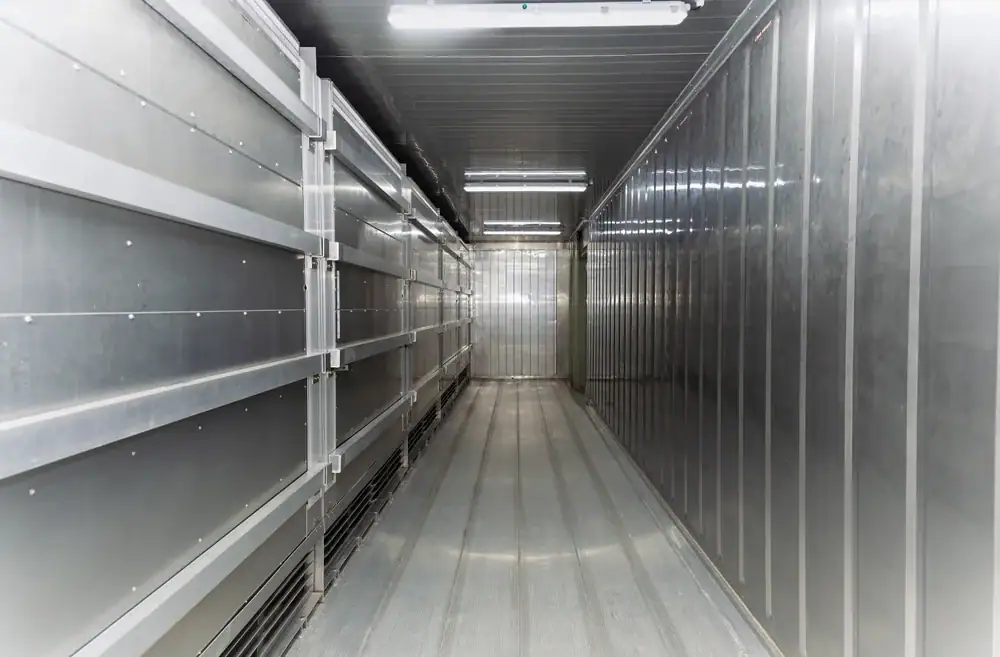
You stop losing product to temperature swings. Your health inspector visits go smoothly because your logs are clean and your equipment holds temp. You’re not scrambling at 9 PM on a Saturday because your walk-in died during dinner rush.
When your refrigeration systems are properly maintained and serviced by people who know what they’re doing, you get predictable performance. Your compressors last 15 to 20 years instead of dying at 10. Your energy bills drop because the system isn’t fighting itself. Your staff isn’t constantly adjusting thermostats or moving product around to find cold spots.
Most importantly, you sleep better. You’re not wondering if tonight’s the night your freezer quits and you lose $8,000 in inventory by morning. That’s what reliable commercial refrigeration in Great Neck Gardens actually delivers.
We’ve been handling commercial refrigeration and marine HVAC across Nassau County for over 40 years. That means we’ve seen every failure mode, every weird installation, every jury-rigged repair that’s now causing you problems.
Great Neck Gardens businesses face specific challenges. The marine environment accelerates corrosion. Summer humidity loads stress systems beyond their design specs. You’ve got everything from small delis to catering operations serving 500-person events where failure isn’t an option.
We know this area because we’ve been serving it since before most of your equipment was manufactured. When you call us, you’re getting technicians who’ve worked on your exact setup dozens of times before.
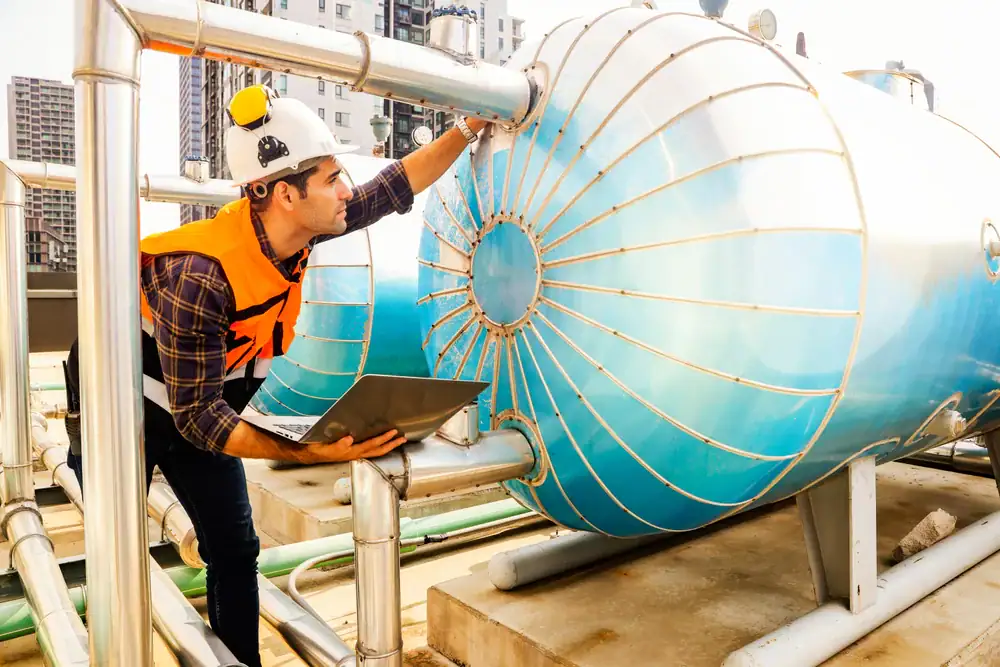
First, we actually answer the phone. If it’s an emergency, we’re dispatching someone to Great Neck Gardens typically within two hours. For non-emergency service, we schedule a time that doesn’t disrupt your operation.
When our technician arrives, they diagnose the actual problem, not just the symptom. Your walk-in isn’t cooling? Could be refrigerant, could be a failing compressor, could be a $40 relay. We figure out which one before we start replacing parts. Then we give you an upfront price. No surprises, no “we’ll see once we get in there” nonsense.
For installations, we start by understanding how you actually use the space. How many times does that door open per hour? What’s your ambient temperature? What are you storing? Then we size and install equipment that matches your real-world conditions, not just what the spec sheet says. After the work is done, we test everything, show you how it operates, and make sure you have our direct line for any questions.
Ready to get started?
You get 24/7 emergency response throughout Great Neck Gardens and Nassau County. Not an answering service, not a callback in the morning. Real technicians with fully stocked trucks who can complete about 70% of repairs on the spot.
You get preventive maintenance that actually prevents problems. We’re checking refrigerant levels, cleaning coils, testing door seals, calibrating controls, and catching the small issues before they become expensive failures. Our maintenance customers see about 40% better uptime than businesses running equipment until it breaks.
You get honest diagnostics. If your 18-year-old compressor is failing and repair costs are approaching replacement cost, we’ll tell you. If it’s a $200 fix that buys you another three years, we’ll tell you that too. We handle everything from walk-in coolers and reach-in refrigerators to ice machines, display cases, prep tables, and specialized systems like blast chillers.
For Great Neck Gardens restaurants and catering operations, we understand the stakes. A failed refrigeration system during a weekend event or summer season isn’t just inconvenient, it’s potentially business-ending. That’s why we carry extensive parts inventory and maintain relationships with every major manufacturer.
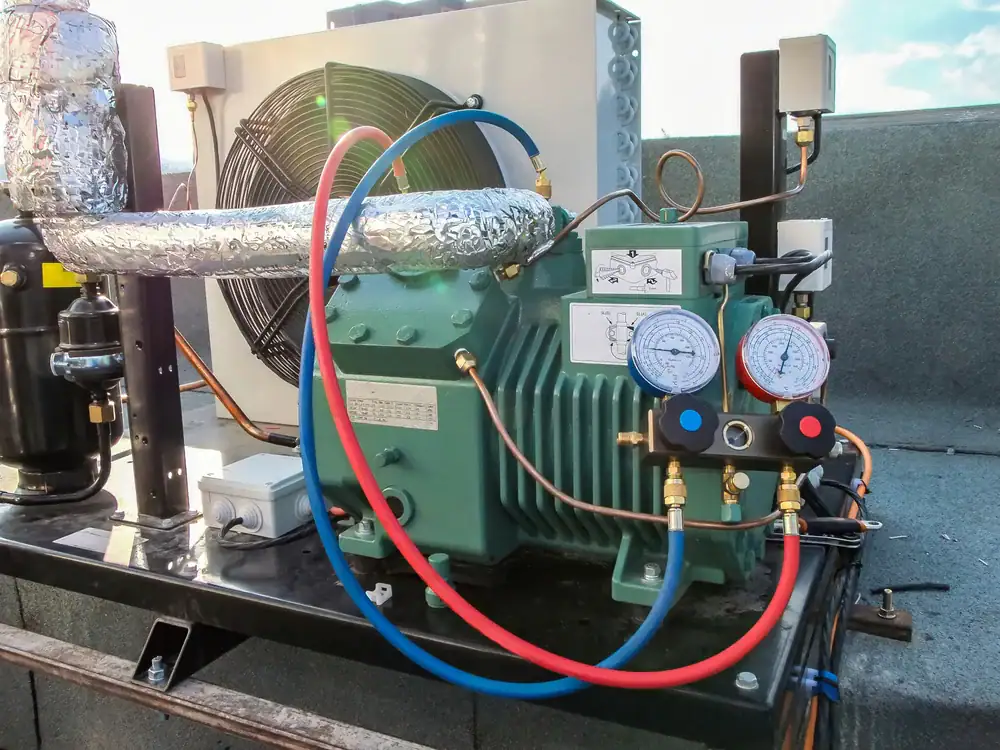
For true emergencies, we’re typically on-site in Great Neck Gardens within two hours. That’s not a marketing claim, that’s our actual average response time when you’re losing product or can’t operate.
Here’s what qualifies as an emergency: your refrigeration system has completely failed, temperatures are rising into the danger zone, and you’re at risk of losing inventory or violating health codes. In those situations, we prioritize your call and dispatch immediately.
For urgent but not critical issues, like a system that’s struggling but still maintaining safe temps, we’ll usually get someone there same-day or next morning. We keep our schedule flexible specifically so we can handle the unpredictable nature of refrigeration failures. About 70% of our emergency calls get resolved during that first visit because our technicians carry a comprehensive parts inventory.
Our maintenance plans cover the inspections and adjustments that actually prevent failures. Every visit includes cleaning condenser and evaporator coils, checking refrigerant charge and looking for leaks, testing all electrical connections and controls, inspecting and adjusting door seals and hinges, calibrating thermostats and temperature controls, and documenting everything for your records.
How often we come out depends on your equipment and usage. A high-volume restaurant with walk-in coolers that get opened 200 times a day needs quarterly service. A smaller operation might be fine with twice-yearly visits. We’ll be straight with you about what your situation actually requires.
The real value isn’t just the maintenance itself. It’s priority scheduling when something does break, discounted repair rates, and the detailed service history we maintain on your equipment. When a technician shows up, they can see exactly what’s been done, what parts have been replaced, and what to watch for. That saves diagnostic time and prevents unnecessary part replacement.
The math usually tells you. If your equipment is under 10 years old and the repair costs less than 50% of replacement cost, repair almost always makes sense. If it’s over 15 years old and you’re looking at a major component failure like a compressor, replacement often makes more financial sense.
But there’s more to consider than just age and repair cost. How efficient is your current system? Newer commercial refrigeration equipment uses about 25% less energy than units from 15 years ago. If you’re spending $400 monthly on electricity to run an old system, a new energy-efficient unit might pay for itself in energy savings within five to seven years.
Also consider your repair history. If you’ve been calling us three or four times a year for different issues, that’s a system telling you it’s done. One major repair on an otherwise reliable unit? That’s different. We’ll walk you through the actual numbers for your situation. Sometimes the right answer is repairing now and budgeting for replacement in the next year or two.
About 80% of the service calls we run in Great Neck Gardens come down to three preventable issues: dirty coils, worn door seals, and refrigerant leaks. Dirty condenser coils make your compressor work harder and run hotter, which dramatically shortens its lifespan. This is especially problematic in coastal areas where salt air accelerates buildup.
Worn door seals let warm, humid air into your refrigerated space constantly. Your system runs non-stop trying to compensate, your energy bills climb, and eventually something gives out from the constant load. We see this most often on walk-in coolers in high-traffic kitchens where the doors are opened constantly.
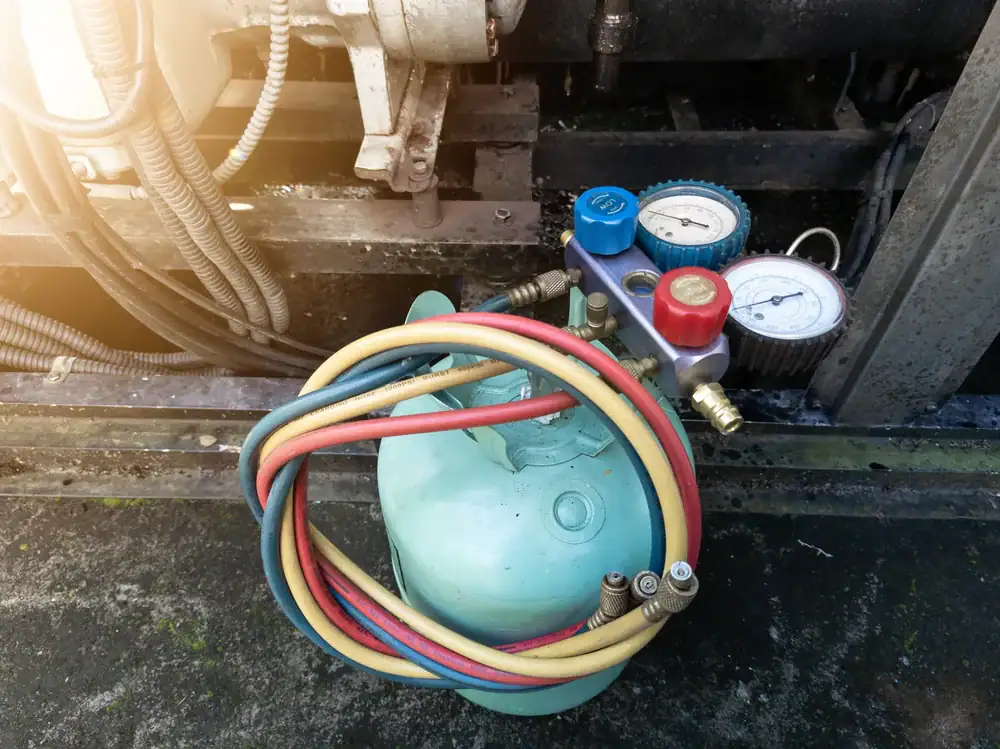
Refrigerant leaks usually start small and get worse. You might notice the system running longer or not quite hitting temperature. By the time it’s obviously failing, you’ve often damaged the compressor from running it low on refrigerant. The fix isn’t just adding refrigerant, it’s finding and repairing the leak, then properly charging the system.
The other 20% is usually age-related component failure, electrical issues, or control system problems. Regular maintenance catches most of these before they become emergencies.
Yes. We’re factory-authorized to service all major commercial refrigeration brands, and we’ve been doing this long enough that we’ve worked on pretty much everything installed in the last 40 years. Whether you’ve got True, Turbo Air, Beverage-Air, Hoshizaki, Manitowoc, or any other major manufacturer, we have the training, parts access, and experience to service it properly.
That experience matters more than people realize. A compressor is a compressor, but how it’s integrated into the overall system, what the common failure points are, and what the quirks of each manufacturer’s controls are—that’s knowledge you only get from years of hands-on work.
We also handle custom and specialized systems. If you’ve got a complex beer cooling system, a blast chiller for a catering operation, or marine refrigeration with unique space and power constraints, we’ve probably installed or serviced something similar. We use authentic manufacturer parts whenever possible because they’re engineered for your specific equipment and come with proper warranty support.
Call us immediately at our emergency line. We provide 24/7 service throughout Great Neck Gardens specifically because refrigeration emergencies don’t wait for business hours. While you’re waiting for our technician, there are a few things you can do to minimize damage.
Stop opening the door. Every time you open a failed refrigerator or freezer, you’re letting warm air in and cold air out. A well-insulated walk-in cooler can maintain safe temperatures for several hours if you keep it closed. If you have critical inventory, consider temporary solutions like moving product to working units or bringing in ice.
Check the obvious stuff: Is the unit getting power? Did a breaker trip? Is the thermostat set correctly? Sometimes it’s something simple. But don’t start taking panels off or messing with refrigerant lines. Modern refrigeration systems are complex, and DIY repairs usually make things worse and more expensive.
Document your inventory and temperatures if possible. If you do end up losing product, you’ll need that for insurance claims. Take photos, note what was in the unit, and record the timeline of when you noticed the problem and when temperatures went out of range.