Hear from Our Customers
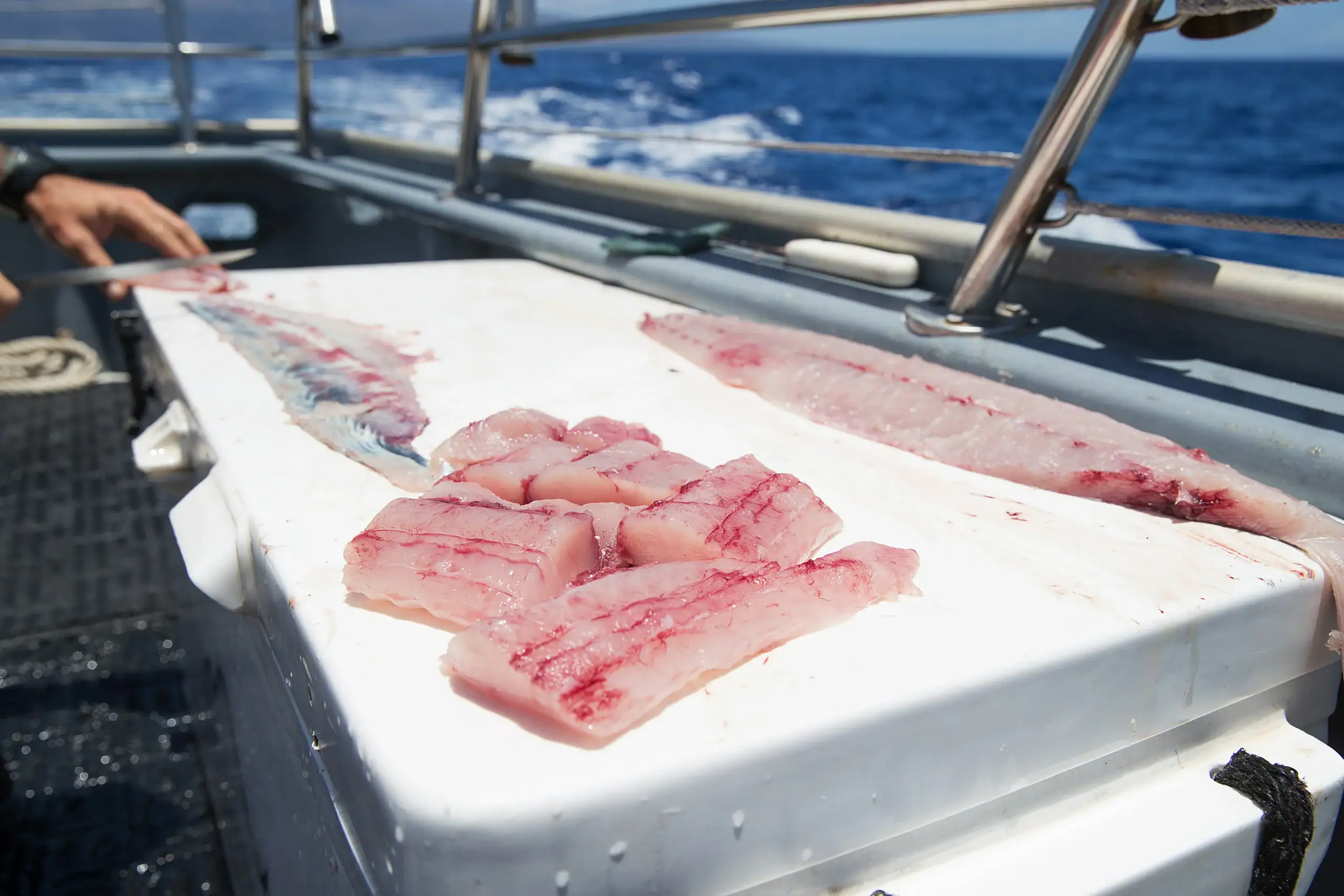
Your food stays fresh for the entire trip. Your drinks stay cold without draining your batteries. You’re not constantly checking temperatures or worrying about whether the compressor will kick on.
When boat refrigeration works the way it should, you stop thinking about it. That’s the difference between a system that’s been properly installed and maintained versus one that’s limping along. Marine refrigeration isn’t the same as what you have at home—it’s dealing with saltwater, constant motion, humidity, and limited power. Most residential HVAC techs don’t understand these variables.
A properly functioning marine HVAC system means you can actually enjoy your time on the water. No more rushing back to shore because your refrigeration failed. No more throwing out spoiled food or dealing with a hot, uncomfortable cabin. Just reliable cooling that works when you need it.
We’ve been handling marine refrigeration and commercial cooling systems for over 40 years. We serve boat owners, marinas, and commercial operations throughout North Hills, Long Island, and the greater New York area.
Long Island has one of the most active boating communities in the region, with marinas dotting both the North Shore and South Shore. From Manhasset Bay to the Great South Bay, boat owners here know that marine systems require specialized knowledge. We handle everything from routine boat AC repair to complex custom installations that other companies won’t touch.
We offer 24/7 consulting and free estimates because we understand that marine refrigeration problems don’t wait for business hours. With dozens of five-star reviews and a client list that includes airports, restaurants, and marine facilities, we’ve earned our reputation through consistent, honest work.
First, you describe what’s happening with your boat refrigeration system. Is it not cooling? Running constantly? Showing error codes? We ask the right questions to understand the issue before we even arrive.
Then we diagnose the actual problem—not just the symptoms. Marine refrigeration failures can stem from electrical issues, refrigerant leaks, compressor problems, water pump failures, or corroded components. A proper diagnosis means looking at the entire system, not just swapping parts until something works.
Once we identify the issue, you get a clear explanation of what’s wrong and what it’ll take to fix it. No jargon, no upselling. If your system needs a simple repair, that’s what you’ll get. If it needs replacement, we’ll explain why and what your options are.
The repair or installation happens efficiently, with attention to the specific demands of marine environments. That means proper sealing against saltwater, correct refrigerant levels for marine applications, and electrical connections that can handle the vibration and movement of a boat. After the work is done, we test the system to make sure it’s actually working—not just running, but maintaining proper temperatures under real conditions.
Ready to get started?
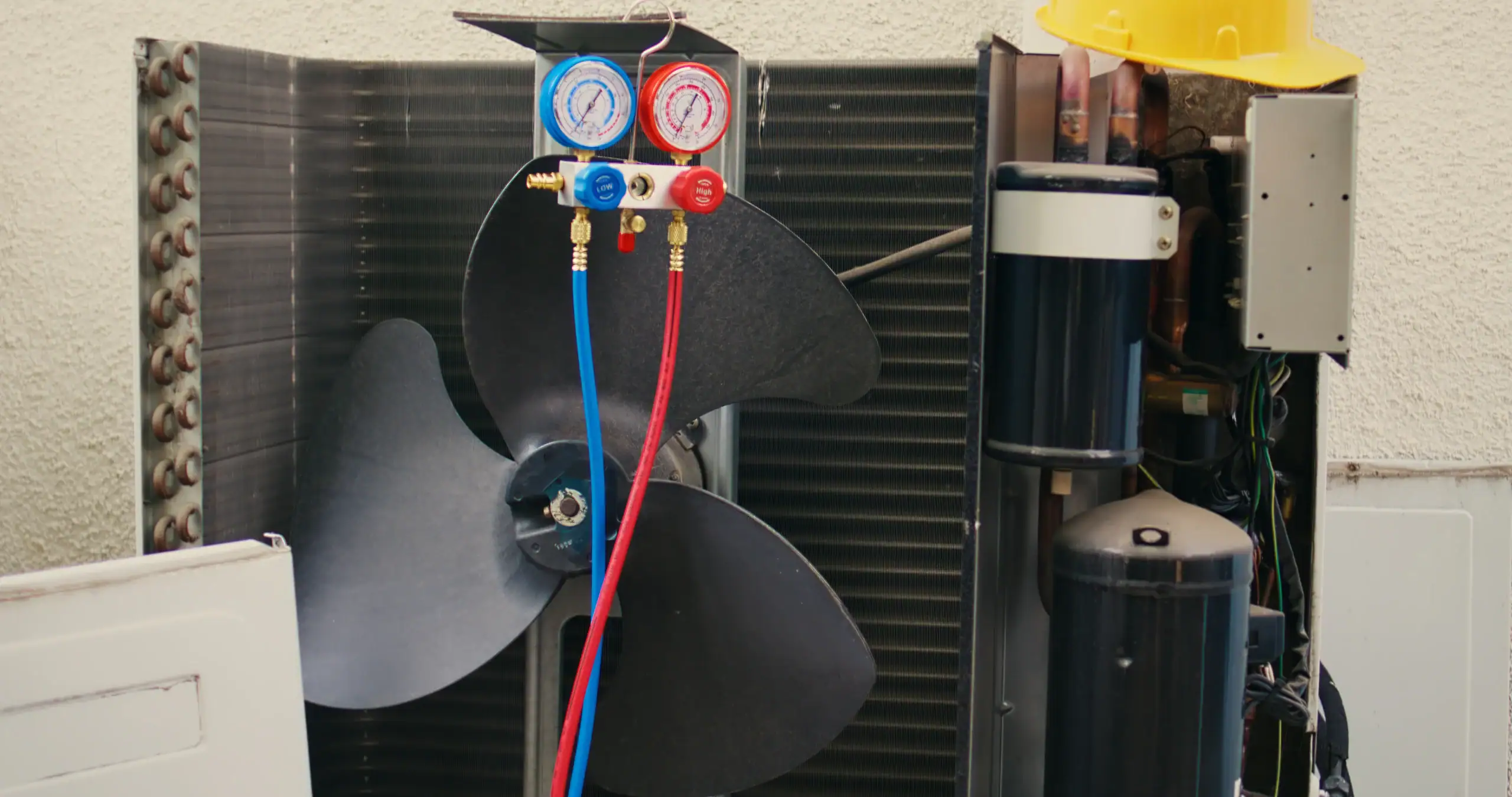
Our marine refrigeration services cover the full spectrum of boat cooling needs. That includes diagnosing and repairing refrigeration systems that aren’t maintaining temperature, fixing high pressure faults that shut down your AC, addressing refrigerant leaks, replacing failed compressors, and repairing or replacing water pumps that aren’t circulating properly.
Installation services range from new boat air conditioning systems to walk-in refrigeration units for commercial vessels. We handle both self-contained units and chilled water systems, depending on your vessel’s size and requirements. For North Hills boat owners, this matters because Long Island’s summer heat and humidity put serious demands on marine HVAC systems. A system that’s undersized or improperly installed will run constantly, drain your batteries, and still fail to keep your cabin comfortable.
Maintenance services include cleaning condenser coils to remove salt buildup, checking and replacing air filters, inspecting electrical connections, testing refrigerant levels, and examining door seals and gaskets. Regular refrigeration maintenance prevents the most common failures—corrosion, electrical issues, and gradual efficiency loss from salt and debris accumulation.
Emergency refrigeration services are available 24/7 because marine refrigeration emergencies happen on weekends and holidays. When your system fails during a trip or right before guests arrive, you need someone who can respond quickly and actually fix the problem. We also handle custom installations for specialized needs like beer systems, ice makers, and commercial-grade refrigeration for charter operations.
Marine air conditioning and refrigeration systems typically last 10 to 20 years with proper maintenance. The actual lifespan depends heavily on how well the system is maintained and how harsh the operating conditions are.
Saltwater environments accelerate corrosion, especially on condenser coils and water-cooled components. If you’re boating in Long Island Sound or the Atlantic, your system faces constant exposure to salt spray and humid air. Regular cleaning of condenser coils and inspection of through-hull fittings can significantly extend system life.
Systems that run constantly because they’re undersized or poorly maintained will fail sooner. If your boat refrigeration is cycling on and off normally and maintaining temperature without running nonstop, that’s a good sign. If it’s struggling, address the issue early—running a failing system harder just accelerates the damage and often turns a simple repair into a full replacement.
High pressure faults (HPF errors) are one of the most common marine refrigeration problems. They happen when pressure builds up in the system beyond safe operating levels, triggering an automatic shutdown to prevent compressor damage.
The most common causes are restricted water flow through the condenser, clogged air filters, or dirty condenser coils. In marine systems, seawater is often used to cool the refrigerant through a heat exchanger. If the seawater intake is clogged with debris, seaweed, or marine growth, water flow drops and pressure spikes. Check your sea strainer first—it’s often the culprit.
Dirty condenser coils covered in salt buildup also prevent proper heat rejection, causing pressure to rise. Air filters clogged with dust and debris reduce airflow over the evaporator, creating similar problems. Less common causes include low refrigerant (counterintuitively, this can cause high pressure), failing water pumps, or refrigerant contamination from seawater intrusion. If you’ve checked the obvious issues and still get HPF errors, you need a proper diagnosis—continuing to run the system can damage the compressor.
Yes, you can run marine air conditioning without shore power, but it requires the right setup. Most traditional marine AC systems run on 110V or 220V AC power, which means you need shore power or a generator.
However, DC-powered marine air conditioning units are specifically designed to run directly off your boat’s battery system—typically 12V or 24V. These systems are more efficient and allow you to run AC while anchored without a generator. The trade-off is that they still draw significant power, so you need adequate battery capacity and a way to recharge (solar panels, alternator charging while running engines, etc.).
For North Hills, NY boat owners who spend time anchored in Manhasset Bay or cruising Long Island Sound, DC systems offer real freedom. You’re not tied to a marina or running a noisy generator. The other option is installing a generator, which many larger boats already have. A properly sized generator can run your AC and other systems, but adds maintenance, fuel costs, and noise. The right solution depends on your boat size, how you use it, and your power budget.
Marine refrigeration maintenance is straightforward but critical. Monthly tasks include cleaning or replacing air filters and checking sea strainers for debris. These take minutes but prevent the majority of cooling problems.
Every few months, inspect door seals and gaskets for gaps or damage. A failing seal lets warm, humid air in constantly, forcing your system to run nonstop and often causing frost buildup. Check condensate drains to make sure they’re not clogged—standing water in the drain pan indicates a problem.
Annually, or more often if you’re in saltwater, have the condenser coils professionally cleaned. Salt buildup on coils drastically reduces efficiency and leads to high pressure faults. This isn’t something you want to skip—it’s the difference between a system that lasts 15 years and one that fails in 7. Also check refrigerant levels, inspect electrical connections for corrosion, and test the water pump if you have a water-cooled system.
Before and after boating season, do a full inspection. Check through-hull fittings when the boat is out of water, test the system under load, and address any unusual noises or performance issues. Catching small problems early prevents breakdowns during peak season when you actually want to use your boat.
A marine refrigerator that’s running but not cooling usually has one of several issues. First, check if the evaporator is actually getting cold. If it’s not frosting up at all, you likely have a refrigerant issue—either low refrigerant from a leak or a restriction in the system.
If the evaporator is frosted but the box isn’t cooling, you have an airflow or insulation problem. Check that the evaporator fan is running (if your system has one). Make sure air can circulate freely inside the refrigerator—overloading it with tightly packed items blocks airflow. Inspect door seals thoroughly; even small gaps let warm air in constantly.
On water-cooled systems, inadequate water flow through the condenser means the system can’t reject heat properly. The refrigerant never gets cold enough, even though the compressor is running. Check the water pump, sea strainer, and through-hull intake. For air-cooled systems, make sure the condenser has adequate ventilation and isn’t covered in dust or salt.
If you’ve recently added warm items to the fridge, understand that marine refrigeration systems are much less powerful than household units due to power constraints. It can take hours to cool down warm items. If the system runs constantly for extended periods and still doesn’t reach temperature, you need professional diagnosis—guessing and replacing parts rarely solves marine refrigeration problems.
The decision to repair or replace depends on the age of the system, the cost of repair, and how well it’s been maintained. If your system is under 10 years old and the issue is a failed component like a water pump, thermostat, or control board, repair usually makes sense.
If your system is over 15 years old and needs major work like a new compressor or has refrigerant leaks, replacement often makes more financial sense. Older systems are less efficient, meaning they cost more to run. They also use older refrigerants that are being phased out, making future repairs more expensive and difficult.
Consider the total cost: if repairs are approaching 50-60% of replacement cost, and the system is already old, you’re better off replacing it. New marine refrigeration systems are significantly more energy efficient, which matters when you’re running on battery power. They’re also more reliable and come with warranties.
For North Hills, NY boat owners, timing matters too. If your system fails mid-season and needs extensive repairs, you might be without refrigeration for weeks during peak boating months. Sometimes replacement is the faster option. Get an honest assessment from someone who isn’t just trying to sell you a new system—understanding what’s actually wrong helps you make the right decision.