Hear from Our Customers
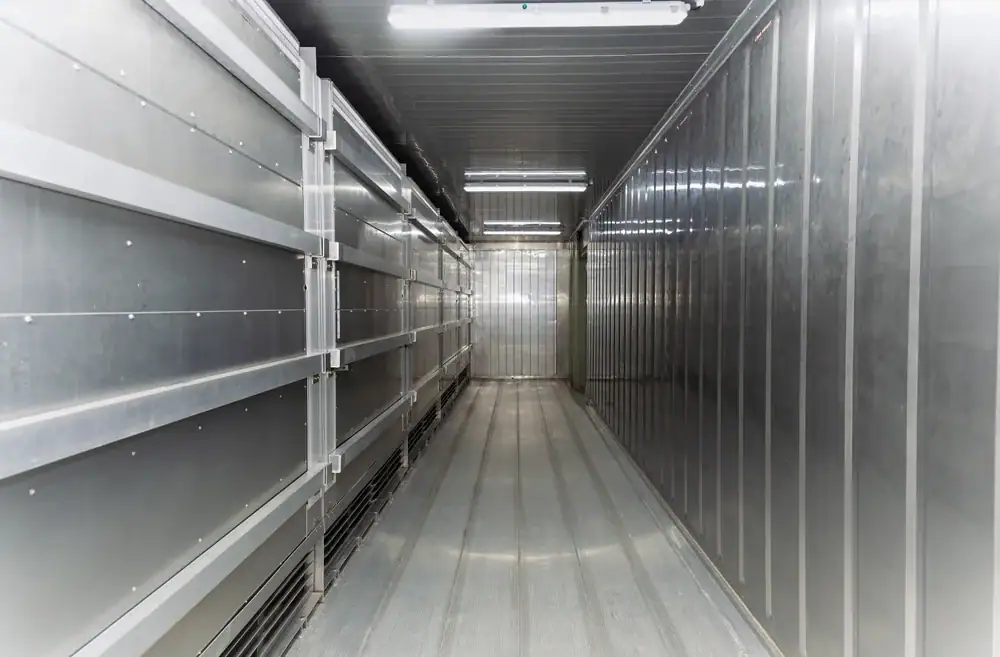
You’re not worrying about temperature fluctuations during your dinner rush. Your walk-in freezer isn’t making that grinding noise at 2 AM. Your health inspector isn’t flagging your cooler temps.
That’s what happens when your refrigeration systems are installed correctly and maintained by people who understand commercial food service. Not just residential HVAC techs who dabble in commercial work.
Your equipment runs consistently. Your compressor isn’t overworking itself into an early failure. Your energy bills stay predictable because your units aren’t cycling on and off trying to compensate for refrigerant issues or dirty coils.
When something does go wrong—and eventually, something always does—you have a number to call that actually answers. At 3 AM on a Sunday. With a tech who knows your system because we’ve been maintaining it, not seeing it for the first time during a crisis.
We’ve been handling commercial refrigeration in the North Hills area and throughout Long Island for over 40 years. Not because we’re the cheapest option, but because restaurants, catering halls, delis, and institutional kitchens need their systems working without drama.
You’ll find us at airports, marine vessels, and high-volume food operations where downtime isn’t an option. The kind of places where a refrigeration failure doesn’t just cost money—it shuts down the entire operation.
We’re available 24/7 because refrigeration emergencies don’t wait for business hours. And when you call, you’re talking to people who’ve diagnosed thousands of commercial systems, not a call center reading from a script.
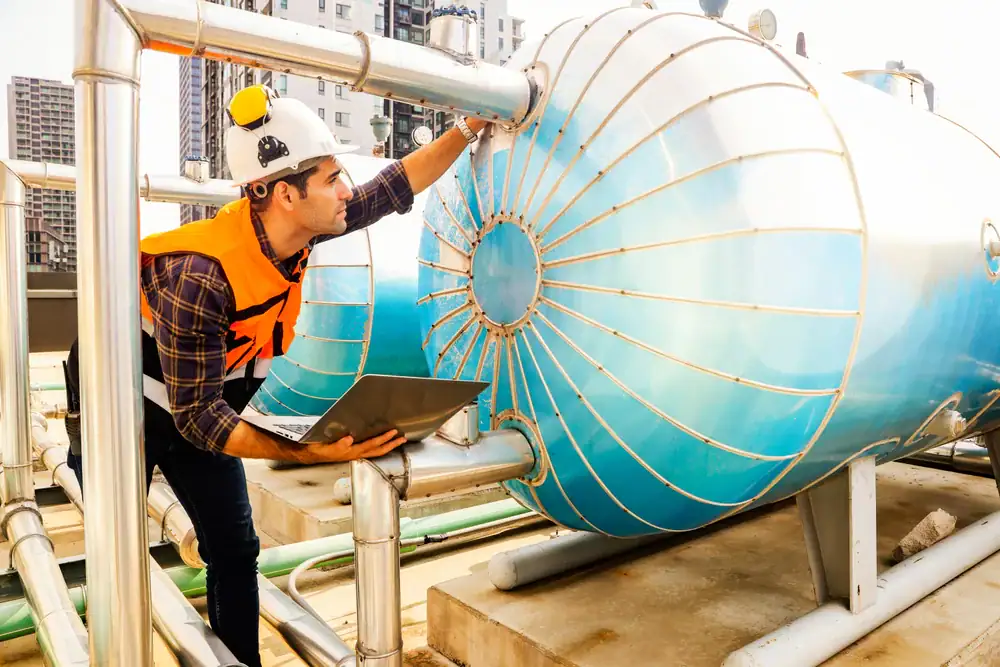
It starts with understanding what you’re actually refrigerating and how much volume you’re moving. A deli’s needs are different from a catering hall’s needs, which are different from a restaurant with a complex beer system.
We assess your current setup—or your space if it’s new construction. Load calculations matter. Ventilation matters. Access for service matters. You don’t want to discover your new walk-in can’t be serviced without dismantling half your kitchen.
Installation happens on your timeline, with minimal disruption to your operation. We’re coordinating with your other trades if it’s a build-out, or working around your service hours if you’re already operating.
Then comes the part most companies skip: actually explaining your system to you. What to listen for. What to watch for. When to call us versus when it’s something your staff can handle.
Maintenance is scheduled based on your equipment and usage, not some arbitrary calendar. High-volume operations need more frequent service. Systems running 24/7 need different attention than ones that shut down overnight.
Ready to get started?
You’re getting installation that accounts for North Hills’ climate and your specific operational demands. Walk-in coolers and freezers sized correctly for your volume. Display cases that maintain consistent temps without frosting over. Ice machines that produce what you actually need, not what a spec sheet promises.
Preventive maintenance means we’re checking refrigerant levels before they become a problem. Cleaning condenser coils before they restrict airflow. Testing door seals before they start leaking cold air and driving up your energy costs. Inspecting electrical connections before they fail during your busiest service.
Emergency refrigeration repairs happen fast because we stock parts for commercial systems. Not residential compressors that kind of work. Actual commercial-grade components designed for the demands you’re putting on them.
For food service operations in North Hills, we understand the health department requirements you’re working under. Your system needs documentation. Your temps need to stay in range. Your equipment needs to meet current codes. We handle refrigeration service with that reality in mind, not as an afterthought when you’re already being inspected.
It depends entirely on how hard you’re running your equipment. A deli cooler that’s opened 200 times a day needs quarterly service. A walk-in freezer at a catering hall that’s loaded heavily twice a week can often go six months between maintenance visits.
Here’s what actually determines your maintenance schedule: how many hours per day your compressor runs, how often doors are opened, how much dust and grease are in your kitchen environment, and whether your equipment is running near capacity or has breathing room.
Most refrigeration failures happen because of deferred maintenance, not because equipment randomly dies. Dirty coils restrict airflow. Low refrigerant makes compressors work harder. Worn door gaskets let warm air in constantly. All of that is visible during maintenance, before it becomes an emergency repair bill.
We set maintenance schedules based on your actual usage and environment, then adjust based on what we’re seeing during service visits. Some equipment needs more attention. Some runs forever with minimal intervention.
Nine times out of ten, it’s one of three things: refrigerant leak, failed compressor, or airflow restriction from dirty coils. The tenth time, it’s something simple like a door left propped open or a faulty thermostat.
Refrigerant leaks usually show up gradually. Your unit runs longer cycles trying to reach temperature. Your compressor feels hot to the touch. Eventually, it can’t pull the temperature down at all. Small leaks can often be repaired and recharged. Large leaks might mean it’s time to replace the unit, especially if it’s older equipment using refrigerants that are being phased out.
Compressor failure is usually the result of the compressor working too hard for too long—often because of one of those other issues that didn’t get addressed. When a compressor goes, you’re looking at a significant repair cost. Sometimes replacement makes more sense than repair, depending on the age and overall condition of your system.
Dirty condenser coils are the easiest problem to prevent and the most common cause of performance issues. When coils are caked with dust and grease, your system can’t reject heat properly. It runs constantly, uses more energy, and still doesn’t maintain temperature. Cleaning them during regular maintenance prevents this entirely.
If your equipment is under seven years old and the repair costs less than half of replacement, repair usually makes sense. If it’s over twelve years old and needs a major component like a compressor, replacement is often the smarter financial decision.
Here’s the math that matters: older equipment uses more energy, even when it’s working correctly. New commercial refrigeration systems are significantly more efficient. Your energy savings alone can offset a portion of the replacement cost over the equipment’s lifespan.
Factor in that older systems use refrigerants being phased out by environmental regulations. When those systems need refrigerant, you’re paying premium prices for diminishing supply. New systems use modern refrigerants that will be available and affordable for the foreseeable future.
Also consider your repair history. If you’re calling for service every few months, you’re not just paying for repairs—you’re risking inventory loss and dealing with the operational headache of unreliable equipment. At some point, the peace of mind of new equipment is worth more than squeezing another year out of failing systems.
We diagnose what failed, tell you what it’s going to cost to fix, and give you a realistic timeline. If we can get you running temporarily while we order parts, we do that. If the unit is done and needs replacement, we tell you that too.
Emergency calls are about triage first. Can we get this system limping along until we can do a proper repair during your slow hours? Can we transfer your product to another cooler? Do you need to make some hard decisions about inventory right now?
We carry common parts for commercial systems, so many repairs happen on the spot. Compressor contactors, fan motors, thermostats, relays—the components that fail most often. For bigger parts like compressors or evaporator coils, we’re sourcing them immediately and giving you accurate lead times, not hopeful guesses.
You’re getting honest communication about what we’re seeing. If your system has been neglected and this failure is just the first of several problems waiting to happen, you need to know that. If it’s a simple fix on otherwise solid equipment, you need to know that too. Emergency repairs are expensive enough without surprises.
A basic reach-in cooler installation starts around $3,000 to $5,000. Walk-in coolers range from $8,000 to $30,000 depending on size and specifications. Complex systems with multiple zones, display cases, or specialized applications like beer systems run higher.
What drives the cost is the equipment itself, the installation complexity, and whether we’re working with existing infrastructure or running new electrical and refrigerant lines. A walk-in cooler going into a prepared space costs less than one requiring structural modifications, electrical upgrades, and custom door configurations.
For North Hills food service businesses, you’re also paying for installation that meets local codes and health department requirements. That’s not optional, and cutting corners there creates problems during inspections or when you’re trying to sell the business later.
We provide free estimates that break down equipment costs, labor, and any additional work needed to do the installation correctly. You’re seeing the full picture before we start, not discovering hidden costs halfway through the job. Most commercial refrigeration installations pay for themselves in reliability and energy efficiency within a few years compared to limping along with failing equipment.
Yes. Marine HVAC and refrigeration is actually one of our specialties, which is unusual for commercial refrigeration companies. Most focus on land-based food service. We handle both.
Marine refrigeration has different demands than restaurant equipment. You’re dealing with constant motion, salt air corrosion, space constraints, and systems that need to run reliably when you’re away from shore. The components and installation techniques are different.
We work on refrigeration systems for vessels docked in the North Hills area and throughout Long Island’s marinas. Galley refrigeration, cold storage, ice makers—anything that needs to keep running in a marine environment. The same principles apply as land-based commercial work, but the execution requires specific knowledge of marine systems.
If you’re operating a vessel with refrigeration needs, or you’re in the marine industry and need climate control solutions, we handle those installations and service calls with the same 24/7 availability we provide to our food service clients. Equipment failure on the water isn’t any more convenient than equipment failure during dinner service.