
Hear from Our Customers
You get a system that works when you need it. That’s the baseline.
Beyond that, you’re looking at lower energy bills because we install and maintain equipment that doesn’t waste power. You’re getting cleaner air in your home because we know how to address indoor air quality issues that most contractors ignore. And you’re avoiding the panic of a middle-of-the-night breakdown because our maintenance catches problems before they become emergencies.
Most North Hills homeowners don’t think about their HVAC system until it stops working. That’s normal. But when your AC dies during a heat wave or your furnace quits in January, you need someone who answers the phone and shows up prepared.
We’ve been doing this for over 40 years. We know the systems in homes around here. We know what fails and why. And we know how to fix it right the first time so you’re not calling us back three weeks later with the same problem.
Chill Xpert Solutions has been handling heating and cooling work across the Greater New York area for more than four decades. We’re not new to North Hills, and we’re not learning on your dime.
Our background includes commercial refrigeration and marine HVAC systems—work that requires precision most residential contractors never develop. That expertise translates directly to your home. When you’re dealing with complex zoning issues, ductless mini-splits, or air quality problems, you want a team that’s solved harder problems than yours.
We’re licensed, insured, and we offer free estimates because we’d rather you know what you’re paying before we start. No surprises. No upselling you on equipment you don’t need. Just honest assessment and transparent pricing.
You call or submit a request. We respond fast—24/7 if it’s an emergency. No voicemail runaround.
We schedule a time that works for you. Our technician shows up on time, assesses the situation, and explains what’s wrong in plain language. If it’s a repair, we tell you what it’ll cost before we touch anything. If it’s an installation or replacement, we walk you through your options based on your home’s size, your budget, and how you actually use your system.
Once you approve the work, we get it done. We test everything. We clean up. And we make sure you understand how to operate and maintain whatever we just installed or fixed.
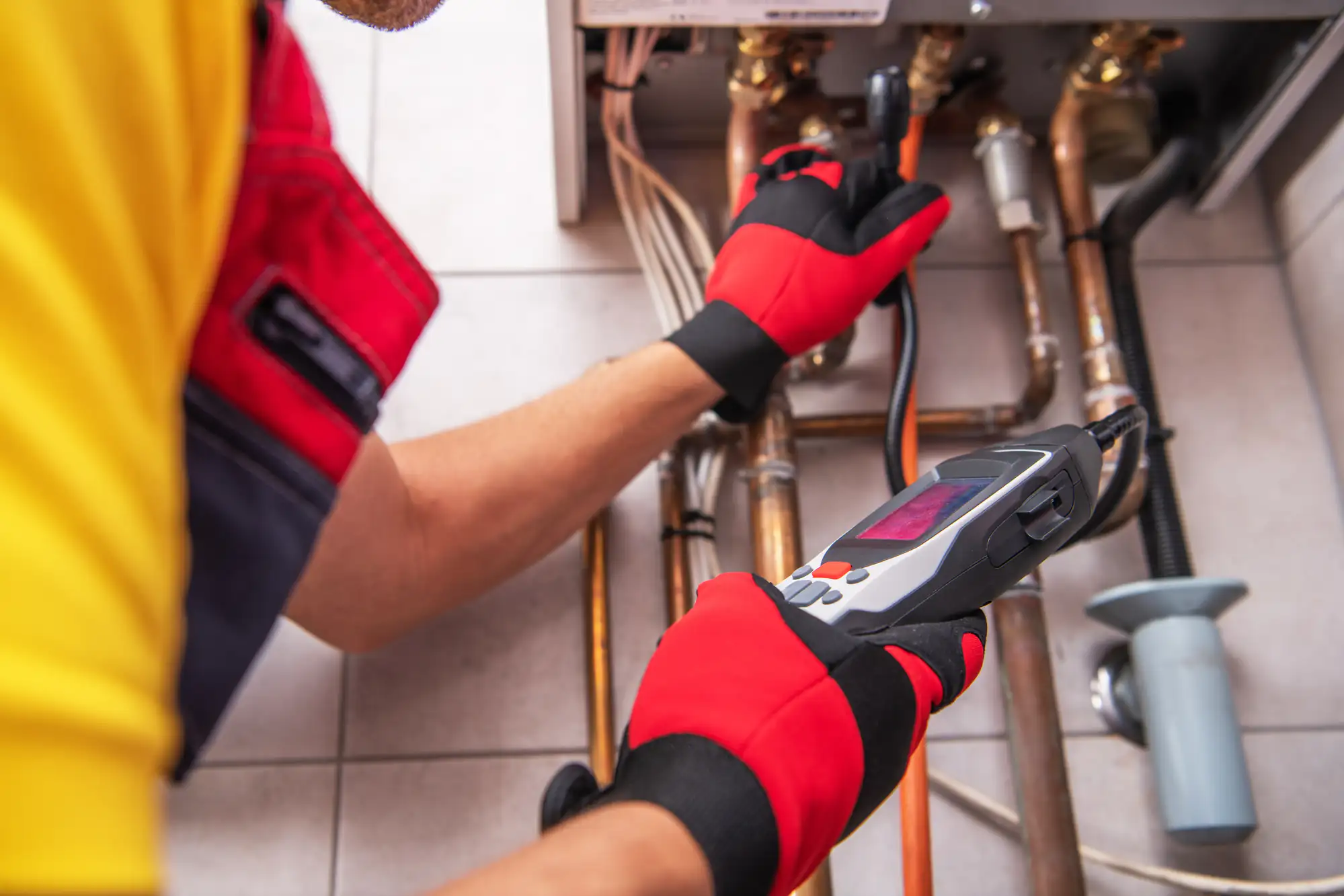
If it’s a maintenance visit, we inspect your entire system, catch small issues before they become expensive ones, and keep everything running efficiently. You get a clear report of what we found and what you should keep an eye on going forward.
Ready to get started?
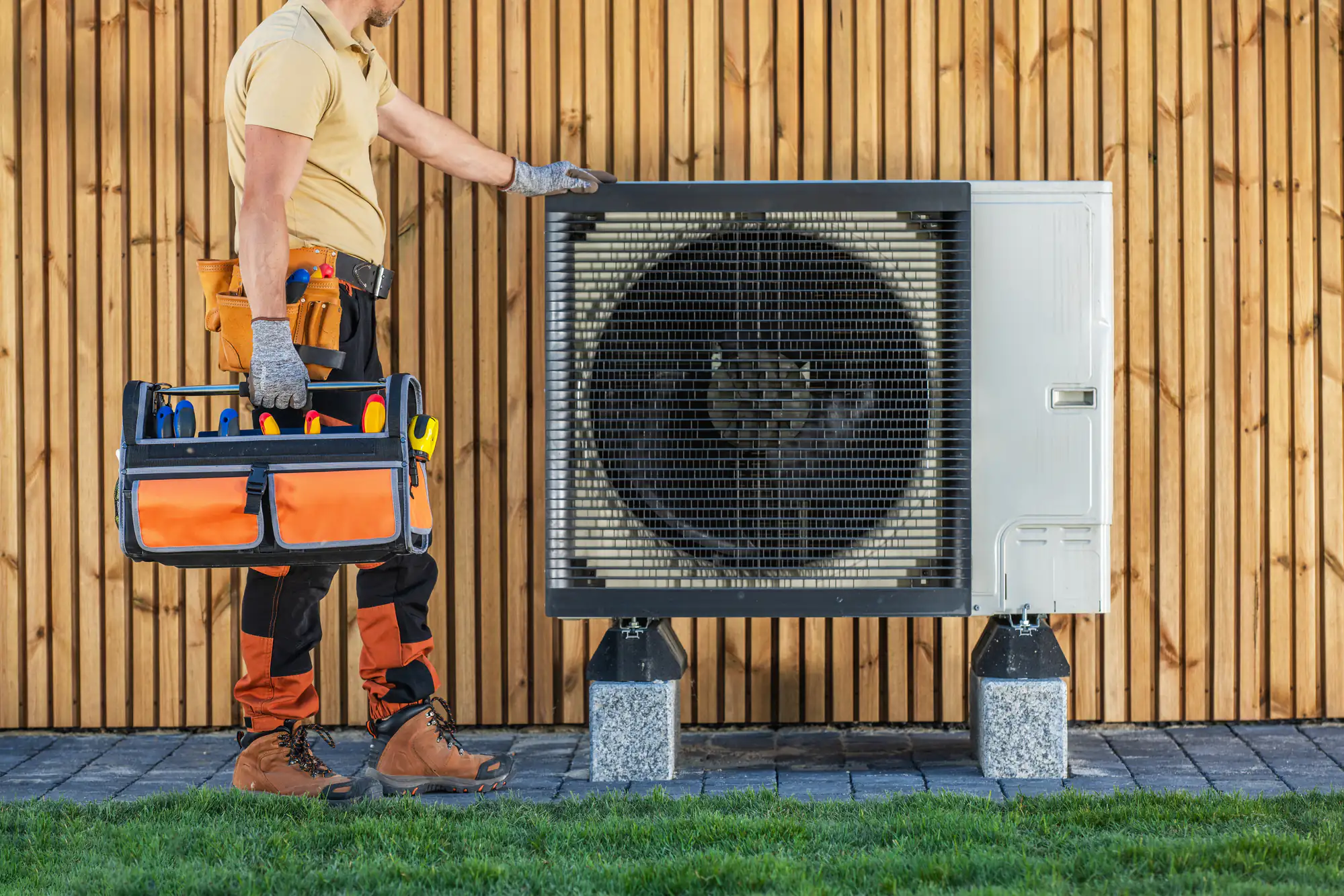
We cover the full range of residential HVAC work. Air conditioning repair and installation, furnace installation and heating system maintenance, ductless mini-split systems, heat pumps, and HVAC replacement when your equipment is past saving.
Indoor air quality is a bigger issue than most people realize. North Hills homes—especially the older ones built in the ’80s—weren’t designed with modern ventilation standards. We install air purifiers, humidifiers, and filtration systems that actually make a difference if you’re dealing with allergies, asthma, or just stale air.
Energy efficiency matters here because your utility bills add up fast. We work with high-efficiency systems that meet the latest SEER2 standards, and we can integrate smart thermostats and zoning controls that let you heat or cool specific areas instead of running the whole system when you don’t need to.
North Hills has a mix of single-family homes and attached housing. That means different ductwork configurations, different load requirements, and different challenges depending on your property. We size systems correctly. Oversized equipment cycles on and off too much and wears out faster. Undersized equipment runs constantly and never keeps up. We get it right.
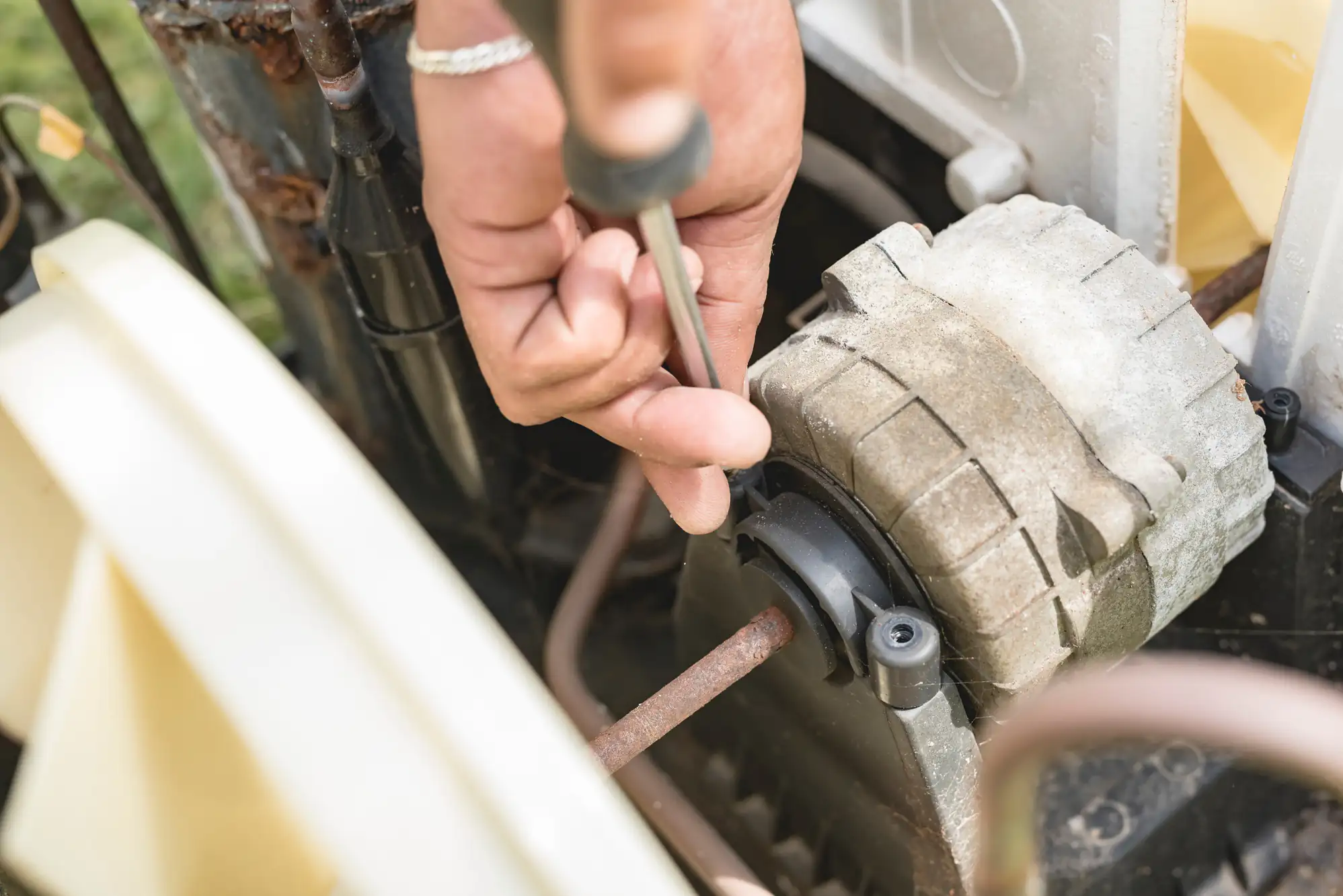
Once a year, ideally in the fall before you start using your furnace regularly. That’s when we catch the issues that would otherwise leave you without heat in January.
Maintenance isn’t just about preventing breakdowns. It’s about efficiency. A dirty filter or a failing component makes your system work harder and costs you more every month. We clean burners, check electrical connections, test safety controls, and inspect your heat exchanger for cracks that could leak carbon monoxide.
If your system is older than 10 years, maintenance becomes even more important. Parts wear out. Seals deteriorate. Small problems turn into expensive ones if you ignore them. Annual service keeps your furnace running safely and extends its lifespan so you’re not replacing it sooner than you need to.
For a full system replacement—both heating and cooling—you’re typically looking at $8,000 to $15,000 depending on the size of your home, the efficiency level you choose, and whether we need to modify ductwork or electrical.
A high-efficiency system costs more upfront but saves you on energy bills long-term. If your current system is 15 years old and breaking down regularly, replacement usually makes more financial sense than pouring money into repairs. We’ll walk you through the math so you can make an informed decision.
There are also rebates and financing options available for energy-efficient equipment. We help you navigate those. And if your system uses R-410A refrigerant, you should know that the EPA is phasing it out starting in 2025. That doesn’t mean your current system stops working, but it does mean refrigerant costs are going up and replacement parts will eventually become harder to find.
Usually it’s one of three things: low refrigerant, a dirty condenser coil, or a failing compressor. Sometimes it’s a thermostat issue or a clogged filter restricting airflow.
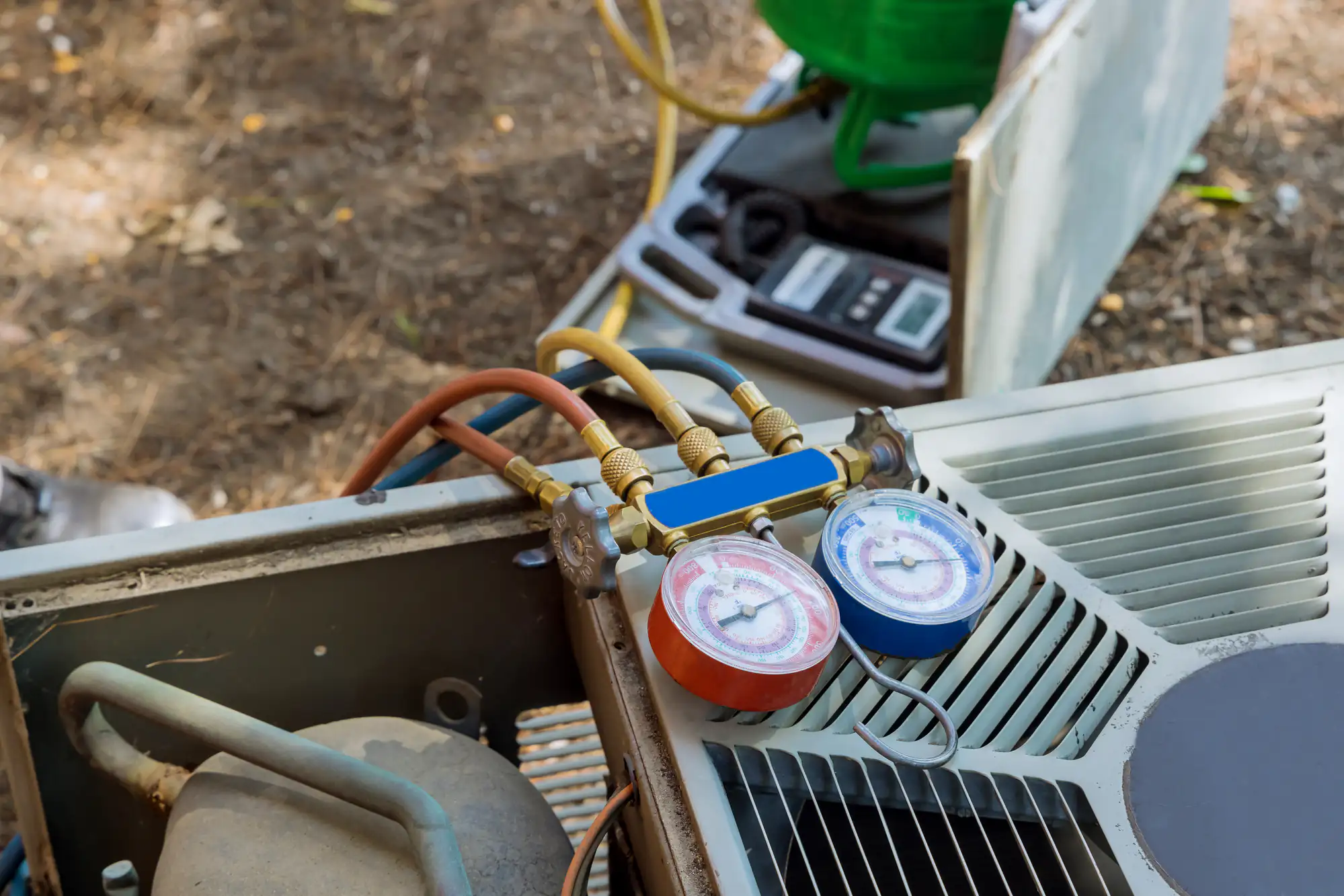
Low refrigerant means there’s a leak somewhere. We find it, fix it, and recharge the system. A dirty condenser coil can’t release heat effectively, so your AC runs constantly without cooling your home. We clean it. If the compressor is failing, that’s a bigger repair—and depending on the age of your system, replacement might make more sense than fixing it.
North Hills summers put a lot of demand on AC systems. If your unit is undersized for your home or if it’s older and losing efficiency, it might struggle to keep up when temperatures hit the 90s. We assess capacity, check airflow, and tell you honestly whether you need a repair or if you’re better off upgrading to a system that can actually handle the load.
If your furnace is under 12 years old and the repair costs less than half the price of replacement, repair usually makes sense. If it’s over 15 years old and you’re looking at a major repair, replacement is often the smarter move.
Here’s why: older furnaces are less efficient. You’re paying more every month to heat your home. They also break down more frequently as components wear out. If you’re calling for repairs every year, those costs add up fast.
New furnaces are significantly more efficient and come with warranties that cover parts and labor for years. They’re also quieter and better at maintaining consistent temperatures. We’ll give you an honest assessment based on what’s actually wrong with your current system and how much life it has left. If replacement makes sense, we’ll explain your options. If a repair gets you another few years, we’ll tell you that too.
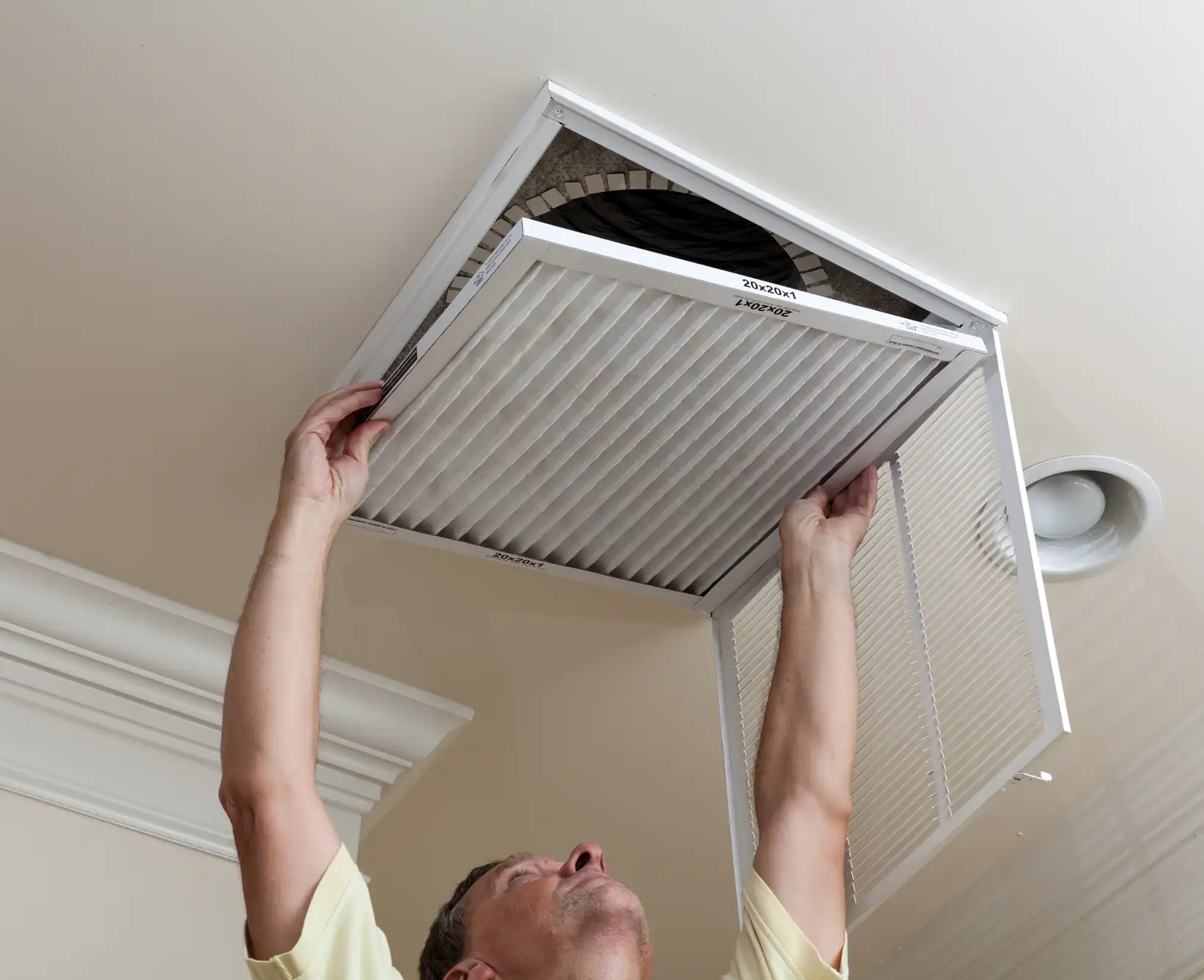
Start with your HVAC filter. Most homes use cheap fiberglass filters that barely catch anything. Upgrading to a high-efficiency pleated filter or a HEPA filter traps dust, pollen, and allergens that would otherwise circulate through your home.
Beyond that, we install whole-home air purifiers that use UV light or ionization to kill bacteria, viruses, and mold spores. If your home feels too dry in winter, a whole-home humidifier integrated with your furnace solves that. If it’s too humid in summer, a dehumidifier prevents mold growth and makes your AC more effective.
Ductwork also matters. If your ducts are dirty or leaking, you’re circulating contaminated air and losing conditioned air into your attic or crawl space. We inspect ducts, seal leaks, and clean them if necessary. Indoor air quality isn’t just about comfort—it affects your health, especially if anyone in your home has asthma or allergies.
Yes. We’re available 24/7 for emergency calls. If your heat goes out at midnight in January or your AC dies on a Sunday afternoon in July, we answer the phone and get someone to your home as quickly as possible.
Emergency service costs more than scheduled work—that’s standard across the industry. But when you’re dealing with extreme temperatures and your system isn’t working, waiting until Monday morning isn’t an option. We carry common parts on our trucks so we can often fix the problem on the first visit instead of making you wait for an order.
We’ve been doing this long enough to know what fails and when. Furnaces tend to quit on the coldest nights because that’s when they’re working hardest. AC systems fail during heat waves for the same reason. We prioritize emergency calls and we don’t leave until your system is running again or we’ve set you up with a temporary solution while we source parts.