A practical maintenance checklist that helps Long Island restaurants prevent equipment failures, reduce emergency repair costs, and maintain health code compliance.
Share:
Summary:
Most restaurant owners treat refrigeration like a utility—something that just works until it doesn’t. But the numbers tell a different story. Emergency refrigeration repairs cost 2-3 times more than scheduled maintenance, often running $2,500 to $8,000 when you factor in overtime labor, expedited parts, and spoiled inventory.
Long Island’s climate makes this even more critical. Summer heat forces compressors to work overtime while winter temperature swings stress door seals and gaskets. Without proper maintenance, equipment that should last 15 years barely makes it to 10.
The real kicker? A well-maintained system uses 25% less electricity than a neglected one. That’s money back in your pocket every month, not just when you avoid a breakdown.
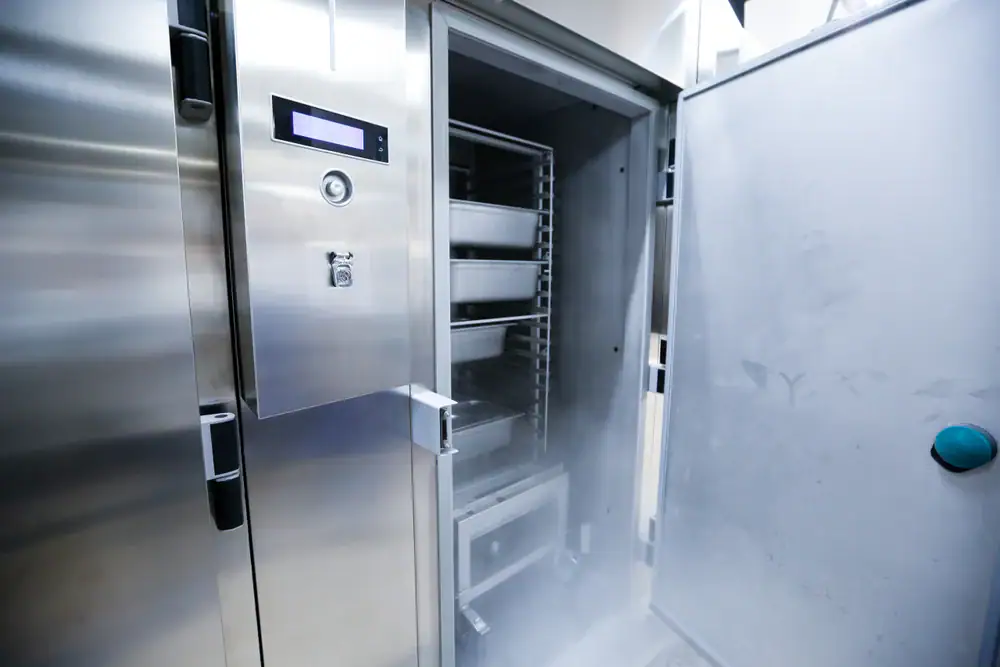
When your refrigeration fails, the repair bill is just the beginning. Restaurants already waste 4-10% of their food purchases due to spoilage, over-prepping, and other factors. Add an equipment breakdown to the mix, and you’re looking at potentially thousands more in lost inventory.
But the real damage goes beyond dollars. Health department violations related to improper food temperatures are among the most common critical violations in Nassau and Suffolk Counties. These aren’t just fines—they’re public records that can damage your reputation and, in severe cases, force temporary closures.
Consider this: most refrigeration failures happen after normal business hours, right when you’re busiest. Your evening prep is in full swing, your dining room is packed, and suddenly your reach-in cooler stops reaching the right temperature. You can’t wait until morning for repairs, which means you’re paying emergency rates for after-hours service.
The stress alone is worth preventing. When you know your equipment is properly maintained, you can focus on what matters most—running your restaurant and serving your customers.
Professional commercial refrigeration maintenance isn’t just cleaning and hoping for the best. It’s a systematic approach that addresses every component that affects performance and reliability.
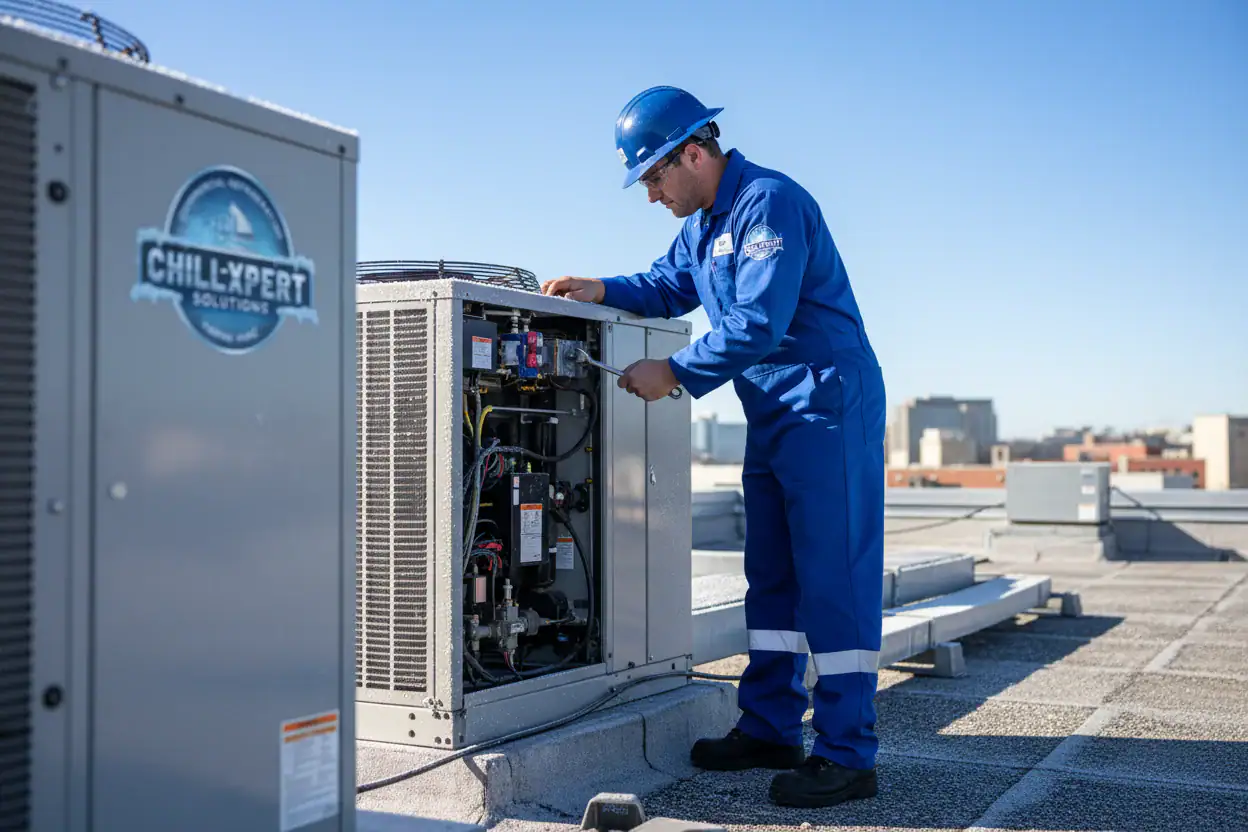
The process starts with condenser coil cleaning—arguably the most critical task that most restaurants neglect. Dirty coils force compressors to work 40% harder and fail years earlier. Professional cleaning involves specialized equipment and techniques that go far beyond what your staff can handle during regular cleaning.
Temperature calibration is equally important. Your thermostats and sensors drift over time, leading to inefficient operation and potential health code violations. Professional technicians use calibrated instruments to ensure your equipment maintains proper temperatures consistently.
Door seals and gaskets get inspected for tears, gaps, and proper closure. A small leak might not seem like much, but it forces your system to run constantly, driving up energy costs and wearing out components faster.
Refrigerant levels get checked and adjusted as needed. Low refrigerant doesn’t just affect cooling capacity—it can damage your compressor, turning a simple service call into a major repair. Only EPA-certified technicians should handle refrigerant work, both for legal compliance and safety.
Electrical connections, controls, and safety systems all get tested to ensure proper operation. Many “sudden” breakdowns actually start with small electrical issues that go unnoticed until they cascade into major failures.
Want live answers?
Connect with a Chill Xpert Solutions expert for fast, friendly support.
While professional service handles the technical aspects, your staff plays a crucial role in day-to-day maintenance. The key is making these tasks part of your regular routine rather than afterthoughts when you have time.
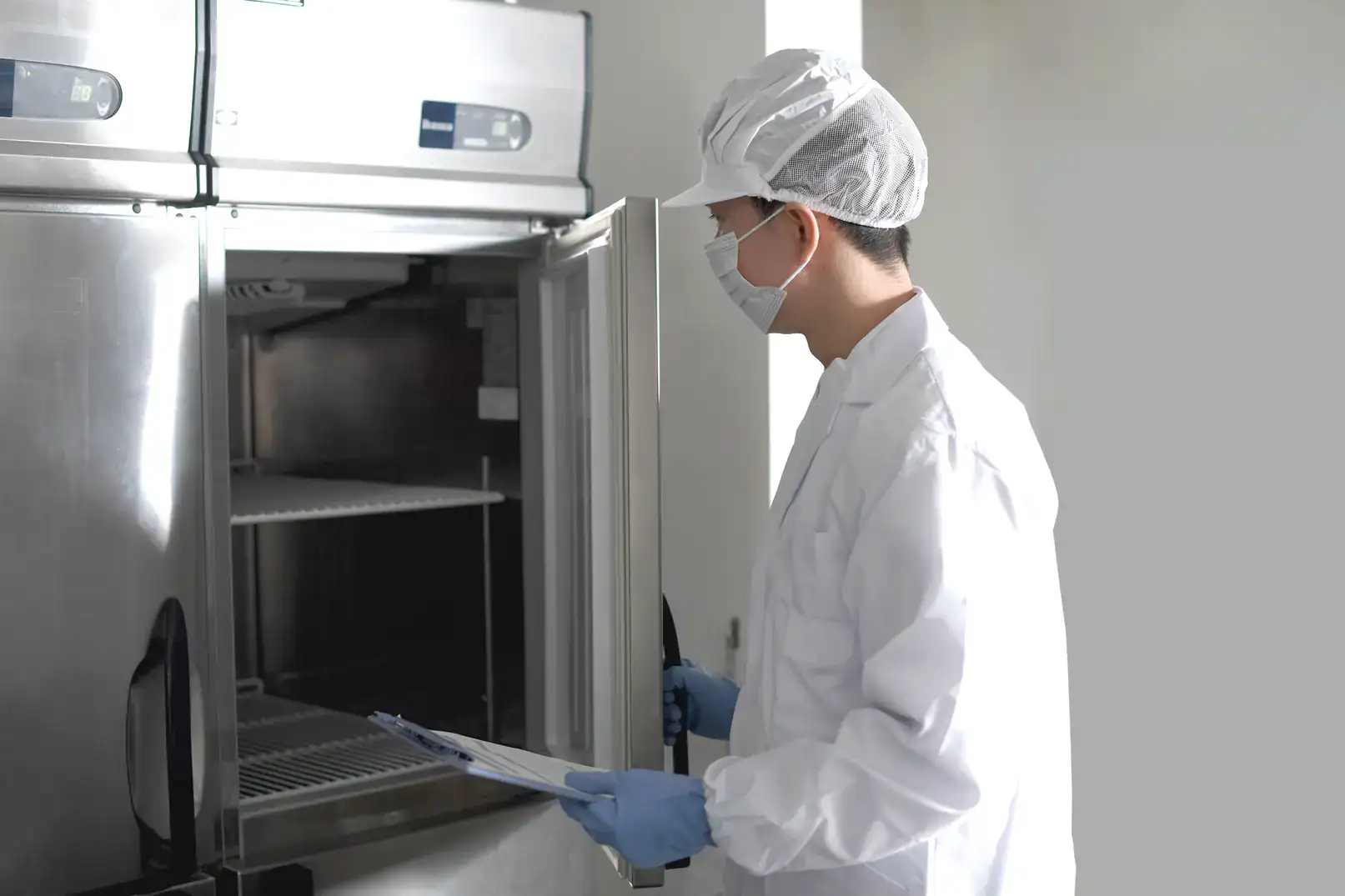
Daily tasks should become as automatic as turning on your ovens. Temperature monitoring tops the list—check and record temperatures in all refrigerated units at opening and closing. This creates a paper trail that helps with health inspections and provides early warning of problems.
Weekly cleaning goes beyond just wiping down surfaces. Interior cleaning prevents contamination and allows you to spot issues like unusual moisture, strange odors, or visible wear on components.
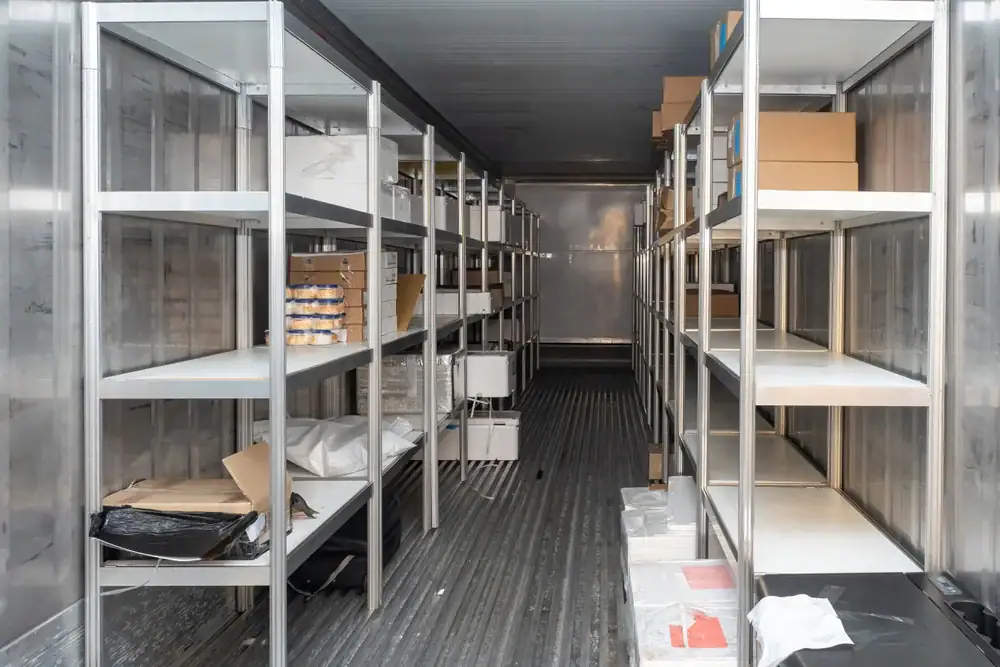
Temperature monitoring forms the foundation of effective refrigeration maintenance. Walk-in coolers should maintain 34-40°F, while freezers need to stay at 0°F or below. But checking temperatures isn’t just about compliance—it’s about catching problems early.
When temperatures start drifting, it’s usually a sign that something needs attention. Maybe the door gasket is starting to fail, or the condenser coils are getting dirty. Catching these issues early means scheduling maintenance on your terms rather than dealing with an emergency breakdown.
Door maintenance deserves special attention because it’s where most energy loss occurs. Train your staff to ensure doors close completely after each use and to wipe down gaskets regularly. Food particles and grease buildup prevent proper sealing, forcing your system to work harder.
Interior cleaning should happen daily, but it’s more than just aesthetics. Spills and debris can clog drain lines, leading to water backup and potential contamination. A quick wipe-down after each shift prevents small problems from becoming big headaches.
Don’t forget about exterior cleaning either. Dust and grease buildup on exterior surfaces can indicate problems with ventilation or filtration that need professional attention.
Weekly maintenance tasks require more time and attention, but they’re essential for long-term reliability. This is when you dig deeper into areas that don’t get daily attention but can cause major problems if neglected.
Condenser coil inspection should happen weekly, even if professional cleaning occurs less frequently. You’re looking for obvious dust buildup, debris, or damage that might affect performance. While you shouldn’t attempt to clean coils yourself without proper equipment, you can spot issues that need professional attention.
Drain line maintenance prevents one of the most common and frustrating refrigeration problems. Blocked drains cause water backup, foul odors, and potential contamination. Weekly inspection and basic cleaning can prevent most drain-related issues.
Fan blade inspection ensures proper airflow throughout your system. Kitchen grease and dust accumulate on fan blades, reducing efficiency and potentially causing motor problems. Visual inspection helps you spot issues before they affect performance.
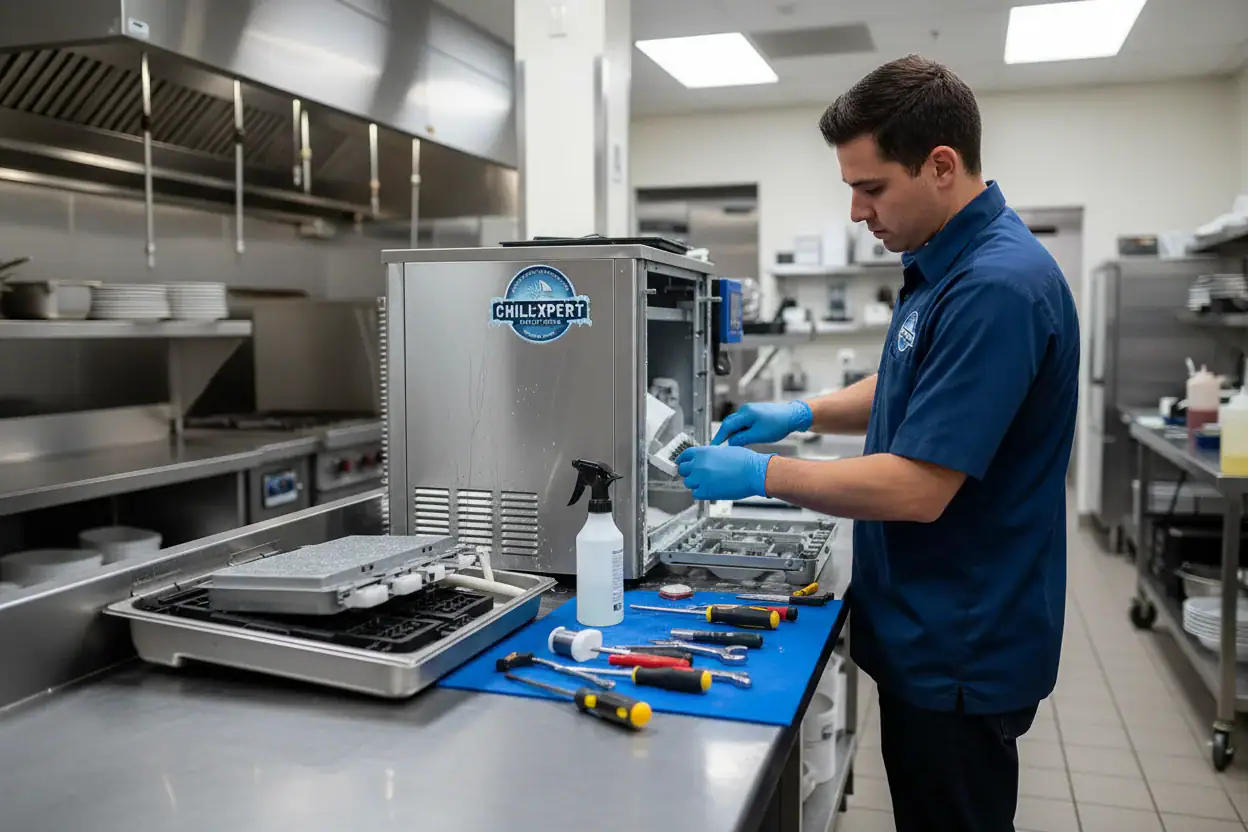
Ice machine maintenance deserves special attention because contamination issues can create serious health violations. Weekly cleaning and sanitizing of ice machines, including accessible components and surrounding areas, prevent mold and bacterial growth that can contaminate your entire ice supply.
Documentation might seem tedious, but it’s invaluable for tracking patterns and proving compliance during health inspections. Keep simple logs of temperatures, cleaning activities, and any issues you notice. This information helps professional technicians diagnose problems more quickly and can prevent minor issues from escalating.
While daily and weekly maintenance tasks keep your equipment running smoothly, some aspects of refrigeration maintenance require professional expertise and specialized equipment. Knowing when to call for help can mean the difference between a routine service call and an expensive emergency repair.
Professional maintenance should happen at least twice yearly for most restaurants, with high-volume operations benefiting from quarterly service. This isn’t just about fixing problems—it’s about preventing them. Professional technicians can spot early warning signs that untrained eyes miss, addressing issues before they cause breakdowns or health code violations.
The investment in professional maintenance pays for itself through reduced energy costs, fewer emergency repairs, and extended equipment life. Most importantly, it gives you peace of mind knowing your refrigeration systems are properly maintained by experts who understand the unique challenges of Long Island’s restaurant industry. We bring over 40 years of experience to every service call, ensuring your equipment receives the expert care it deserves.
Article details:
Share:
Continue learning: